If you've been contemplating stepping up to a full-frame camera, but have been put off by the price, then this deal might be the one to finally make you give in to temptation.
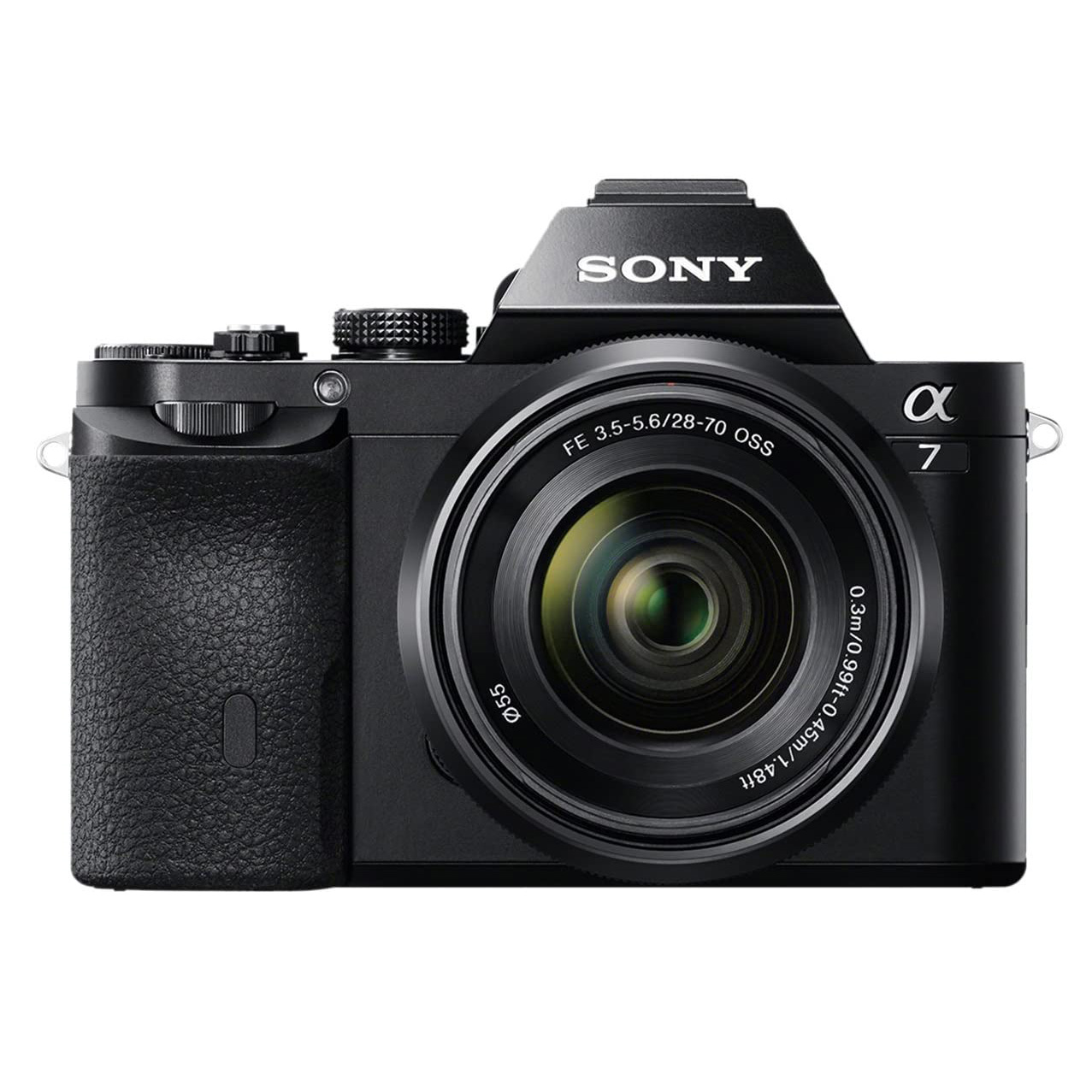
Thanks to a huge 20% price cut at Amazon, you can now get the Sony A7 and a 28-70mm zoom lens for under £600. (Not in the UK? Scroll down for the best deals on mirrorless cameras in your region.)
That's incredible value compared to the price of Sony's newer models, making it the perfect introduction to the system for those on a budget – and the fact that it comes with a lens means you can get out and about taking photos the minute it arrives.
And it's not just a great deal for beginners – if you've already got an A7 model in your arsenal and want a second body for those off-the-cuff shots, or for mounting a particular lens, at this price, it's also a great option.
But if you want to take advantage of this deal, you'll need to hurry – it's only available until midnight on 10 November, after which, the price goes back up to £750. So if you've been thinking about treating yourself – or somebody else – for Christmas, now's the time to strike, as we don't expect to see similar pricing on this model for a while.
Sony A7 + 28-70mm lens:£744£599.00 at Amazon This is a fantastic price for the Sony A7, which although a couple of generations old is still a great option for those on a budget, or new to photography. With a solid system behind it, you can learn and grow with the A7 range as you get more confident and want to build up your lens collection.View Deal
Sony has seen incredible success with its A7 range, and this is the camera that started it all off. In our Sony A7 review, we said: "Although it's true to say that the Alpha 7 is far from perfect, what it represents is a genuine step forward in camera technology that could represent a big shift in the way we view interchangeable-lens cameras."
Since then, we've seen some incredible innovations right across the sector, particularly when it comes to full-frame models. While the A7 is now relatively old, with autofocus performance that seems sluggish compared to the lightning-quick speeds of recent models like the A7 III, at under £600 you'll be able to forgive it its shortcomings.
The A7 series is supported by a huge and diverse lens range, so if you're looking for your first full-frame camera and want something specific to go along with it, there's no doubt you'll be able to find it. The 28-70mm lens that you get with this deal is an ideal walkaround lens, and with the saving you're making on the camera you could invest some extra cash in some high-performing prime lenses.
Remember – this deal is time-limited, so if you want it, snap it up today.
Looking to stay on top of other great camera deals? Make sure to check out our round-up of the best Black Friday camera deals we've seen so far.
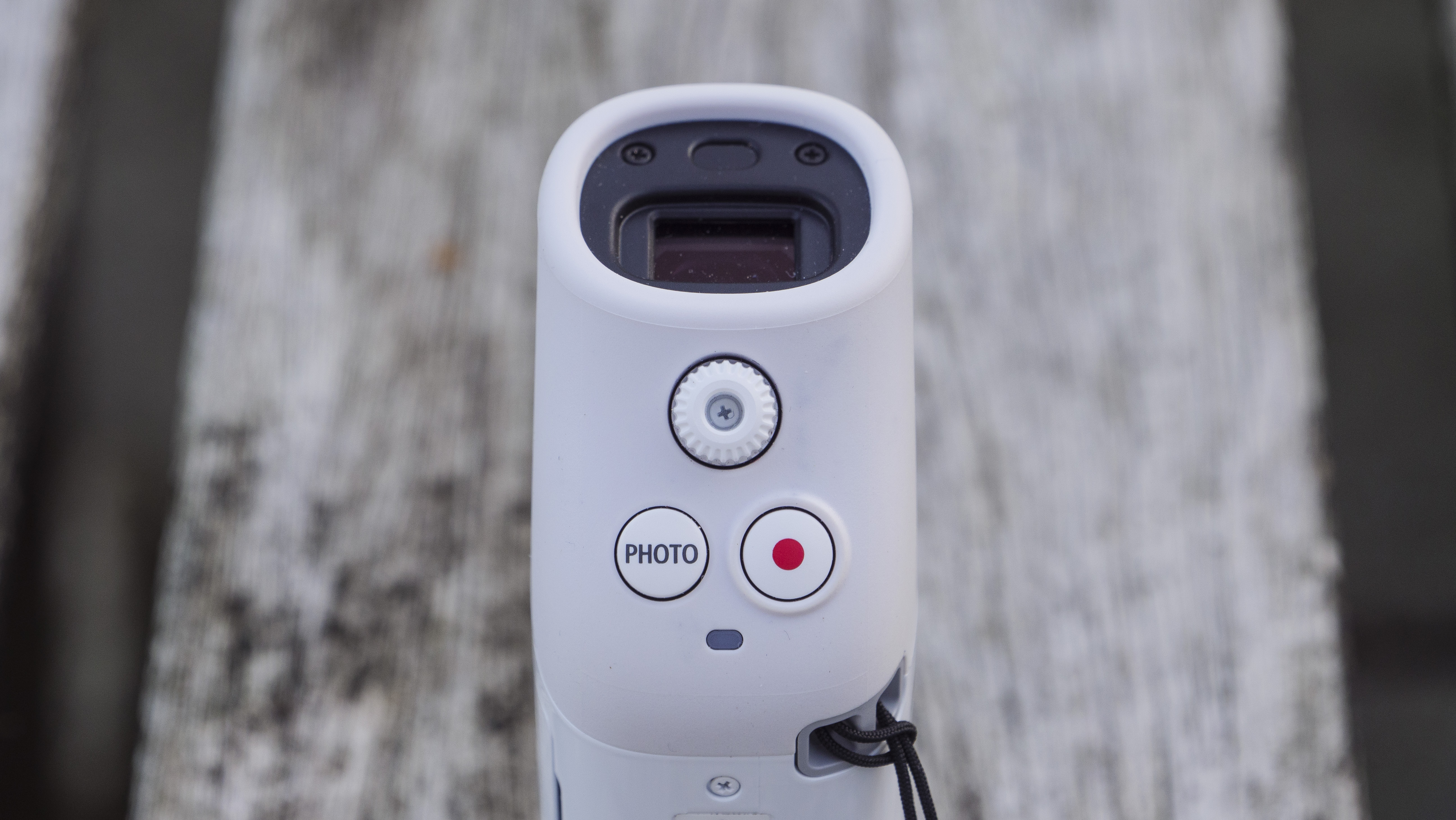
When Canon announced in September that its unique, monocular-style compact camera was going on sale worldwide, we were initially excited – but sadly our Canon PowerShot Zoom review has discovered that it falls short of its potential.
The PowerShot Zoom is a tiny camera with a 100mm-400mm optical zoom, which you can extend to 800mm with a 2x digital extension. On paper, it's a promising alternative the limitations of smartphone zooms, which have improved greatly but still hit a ceiling imposed by their form factors.
While our review praises the PowerShot Zoom's form factor, which has an attractive white finish and weighs only 145g, we found its photographic performance to be frustrating. Unfortunately, its fresh monocular shell houses some pretty dated tech.
For example, the auto exposure and autofocus – which has made such a leap forward in recent cameras like the Canon EOS R5 – both miss the mark too often. As our review remarked: "Perhaps the single most frustrating experience about the PowerShot Zoom is autofocus performance, with no option for manual focus. All too easily the contrast-detection based AF shifts to the background or fails to acquire a sharp focus at all."
It's a similar story with exposure – we found that "in sunny conditions, the camera errs on the bright side, which can result in blown out highlights." A workaround is to focus and recompose, but that's a bit too complex for what should be a point-and-shoot experience.
The PowerShot Zoom isn't completely without merit. In fact, if you approach it as a digital monocular that can take 12.1MP snaps and full HD videos for reference, rather than for your photo albums or social media, then we found that it can be "a competent snapper with an unusual design".
Unfortunately, we were rather hoping that the PowerShot Zoom would offer a smartphone-beating zoom that could be used for challenging situations like wildlife photography.
But when looking at the photo quality, that doesn't appear to be the case. We pitched its 100mm mode against the 5x zoom of the Vivo X51 smartphone – which itself is only a mid-range performer – and found the phone's picture quality to be better.
A contributing factor to this is the PowerShot Zoom's maximum f/5.6 aperture at 100mm, which is further reduced to f/6.3 at 400mm. Because the focal length demands a relatively fast shutter speed, this means that you frequently need a high ISO setting, which naturally has a further hit on the image quality produced by its tiny 1/3in image sensor.
This is all a slight shame, as we remain fans of the PowerShot Zoom's design and concept. Perhaps if a similar form factor could be combined with more up-to-date tech and a slightly larger sensor, it could yet prove to be a handy new type of compact camera for certain situations.
As it is, the PowerShot Zoom remains an attractive if pricey monocular with an impressive electronic viewfinder that lets you jump from 100mm to 400mm at the push of a button. But you should look elsewhere for high-quality telephoto images and video.
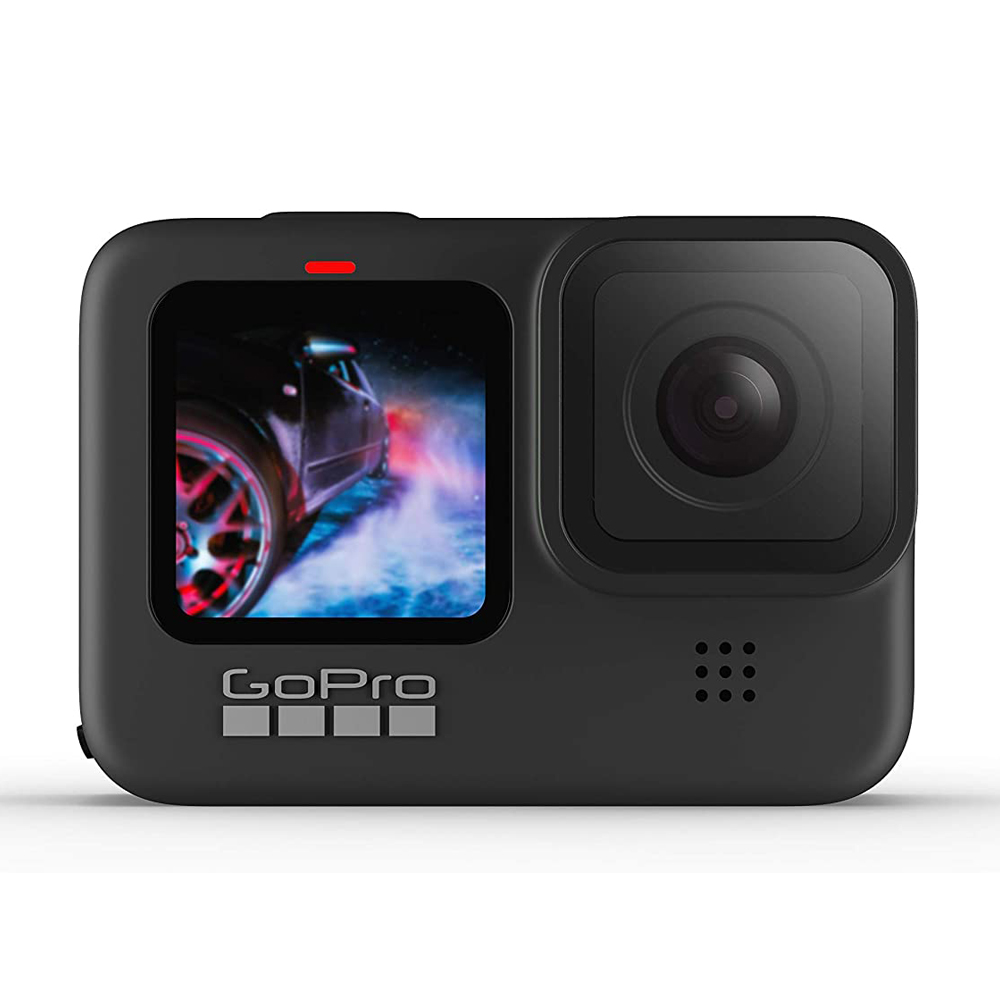
After a bit of delay, The GoPro Hero 9 Black action camera has finally landed in India. It goes on sale starting today (November 6) on Flipkart and Amazon at a price of Rs 49,500. Here’s everything you need to know about it.
Launched globally in September, the GoPro Hero 9 Black improves upon its predecessor in almost every aspect. However, that also brought a significant increase in its price as the Hero 8 started at just Rs 32,000 when it launched in August 2019. An appreciated change is that the camera will no longer ship in plastic packaging but a hard case that can also store additional accessories.
The biggest change comes in the form of a new 1.4-inch front colour display that can show live preview and framing during recording to make composition easier. The primary touchscreen on the back also grows in size to 2.27-inches. There’s also a significantly larger 23.6MP sensor at its heart. These upgrades mean that that the GoPro Hero 9 is the first time we’re seeing a slight design refresh since the Hero 5 Black.
The bigger sensor enables photos at up to 20MP and video recording at 5K resolution. Other shooting modes include 4K60, 2.7K120, 1440p120, 1080p240. It can also be used for livestreams or as a webcam. HyperSmooth 3.0 with in-camera horizon levelling brings even better stabilization, which is a key aspect for action cameras. Similarly, TimeWarp 3.0 makes shifting between real-time, hyper-lapse and slow-motion a breeze.
Some of the smart new features include Hindsight, which allows you to record clips even before the shooting starts, LiveBurst, Scheduled Capture for the camera to turn on, shoot and go to sleep automatically and Duration capture. RAW photography, HDR night-lapse and Super Photo are also available.
As always, the camera is inherently water-proof and shock-proof without needing an additional case or accessory. The main lens element is removable and can be replaced with other specialty lenses as well. Three on-board microphones allow for stereo audio recording while a larger speaker allows for better audio playback.
The early Black Friday deals are already flying in and Adobe has just joined the fray by announcing a 16% discount on its Creative Cloud Photography subscription for a limited time.
Despite some increased competition in recent years, the Adobe's Photography Plan subscription remains the gold standard for anyone looking to both edit and organize their photos. It includes PhotoShop, Lightroom, Lightroom Classic, Lightroom mobile, Spark, Portfolio, Adobe Fonts and 20GB of cloud storage space.
The 16% discount brings the monthly price of the Photography Plan down from £9.98 to only £8.32 per month, which is very good value that you generally only see in the Black Friday sales.
You'll have to be quick, though as the offer ends on November 15.
Adobe CC Photography Plan£9.98£8.32 per month Get unlimited access to Adobe Photoshop and Lightroom, plus 20GB cloud storage, for your photos editing and library needs with this early Black Friday deal. It's unlikely you'll better price for this bundle this year. Deal ends midnight November 15 View Deal
We're expecting Adobe to offer further discounts on its Creative Cloud All Apps bundle for Black Friday itself, but if you're a photographer who's interested in the one-two combo of PhotoShop and Lightroom, then this is the deal for you.
The two applications are a great combination because while PhotoShop is ideal for complex layers-based editing and re-touching, Lightroom offers some simpler photography-themed editing tools and, crucially, a great way to organize your photos.
It's a particularly good time to start using the applications too, because both have just received big updates that introduce powerful AI tools like neural filters and, in Lightroom's case, color grading wheels to help you achieve cinematic edits.
This deal ends at midnight on November 15, though, and we've never seen Adobe extend its deals past their original deadlines, so it's worth moving quickly to snap it up.
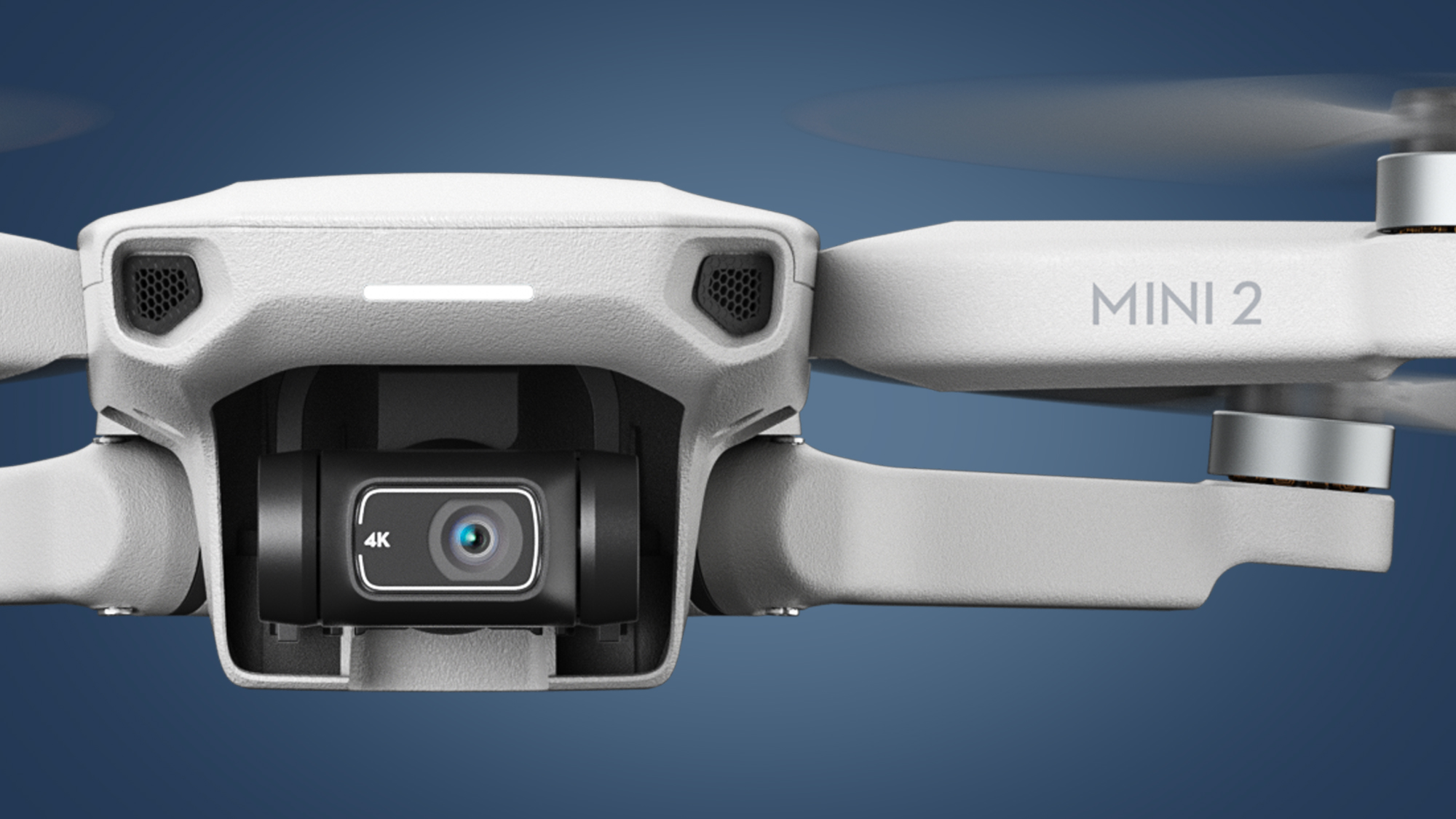
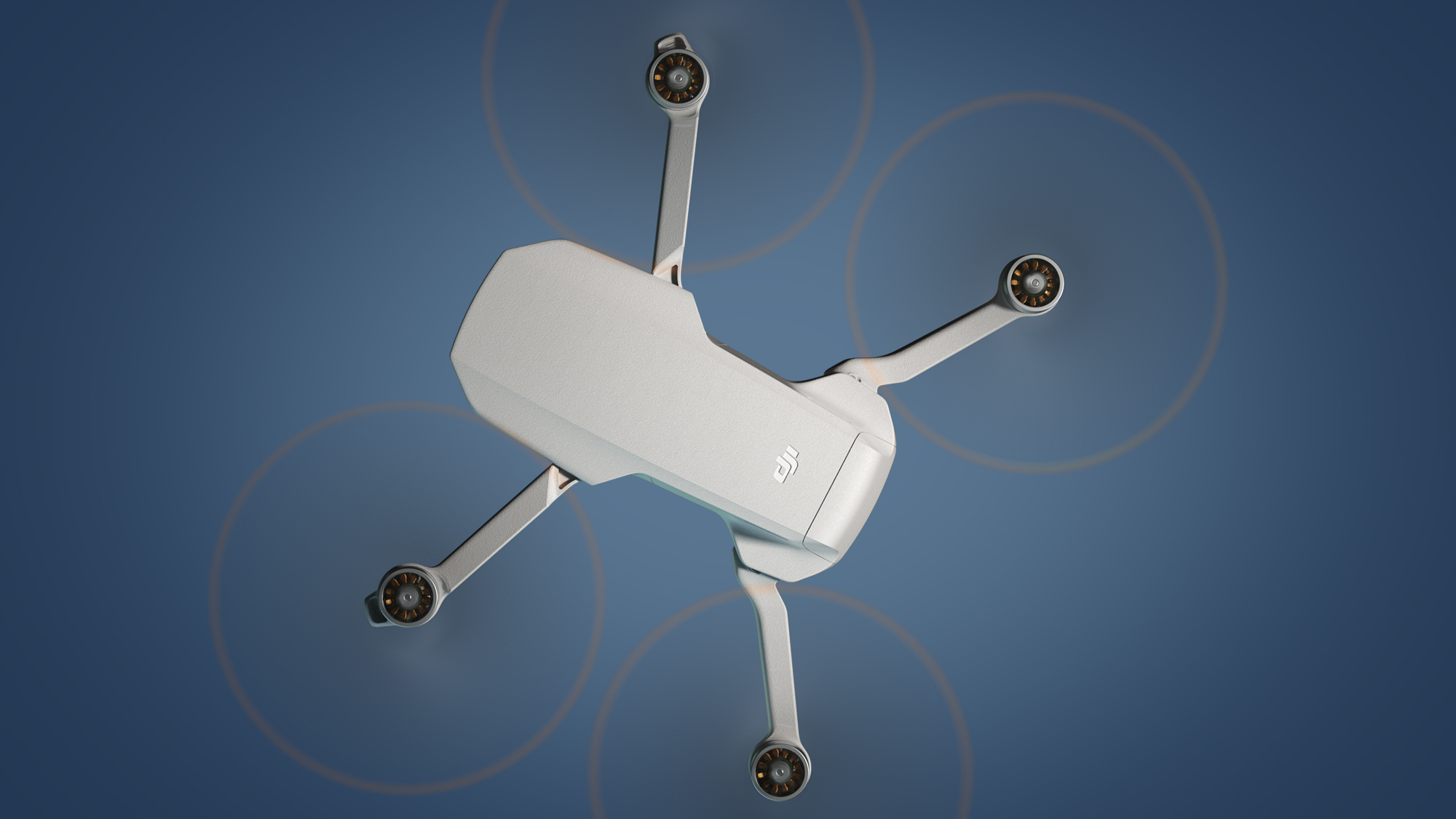
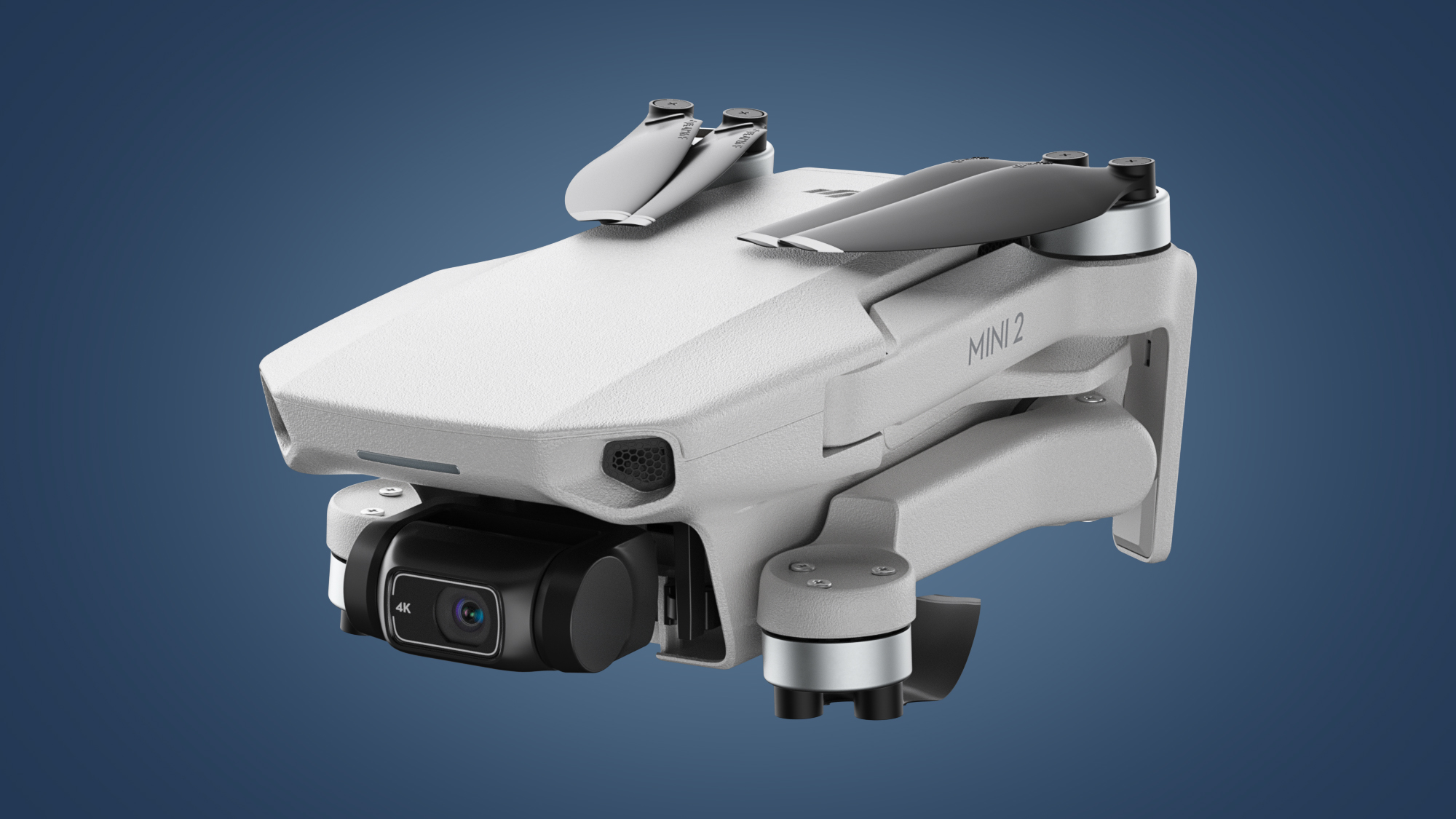
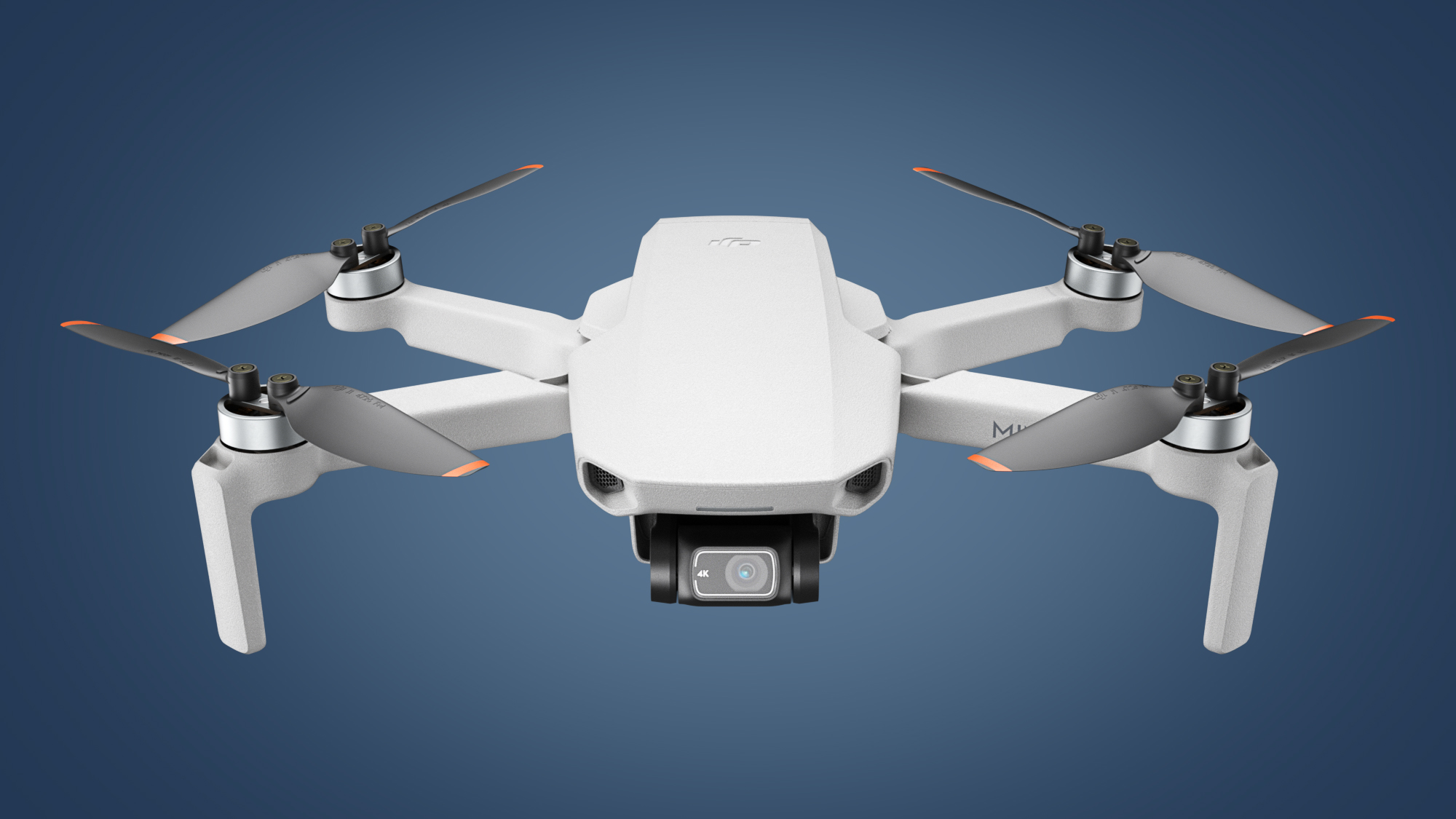
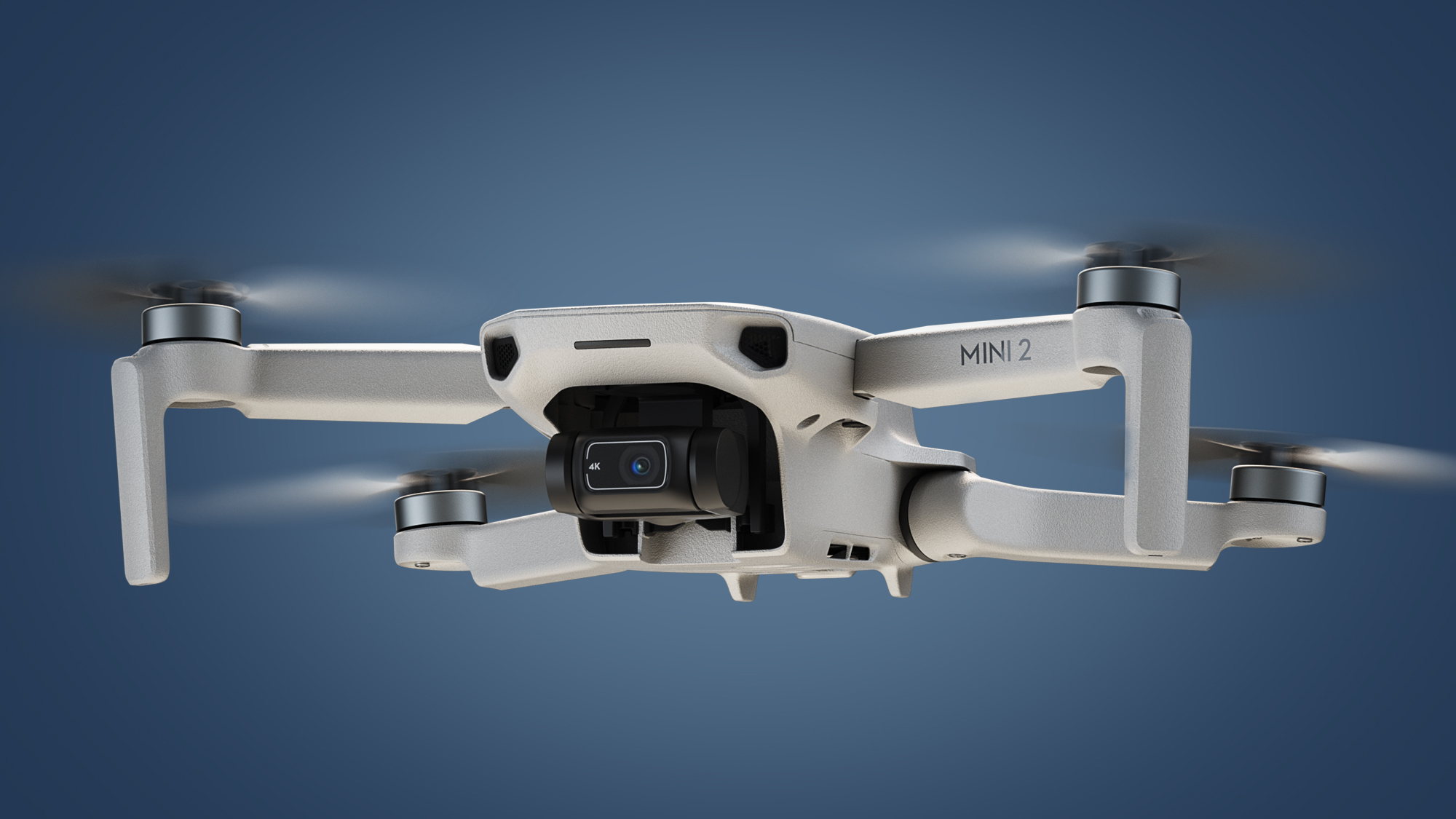
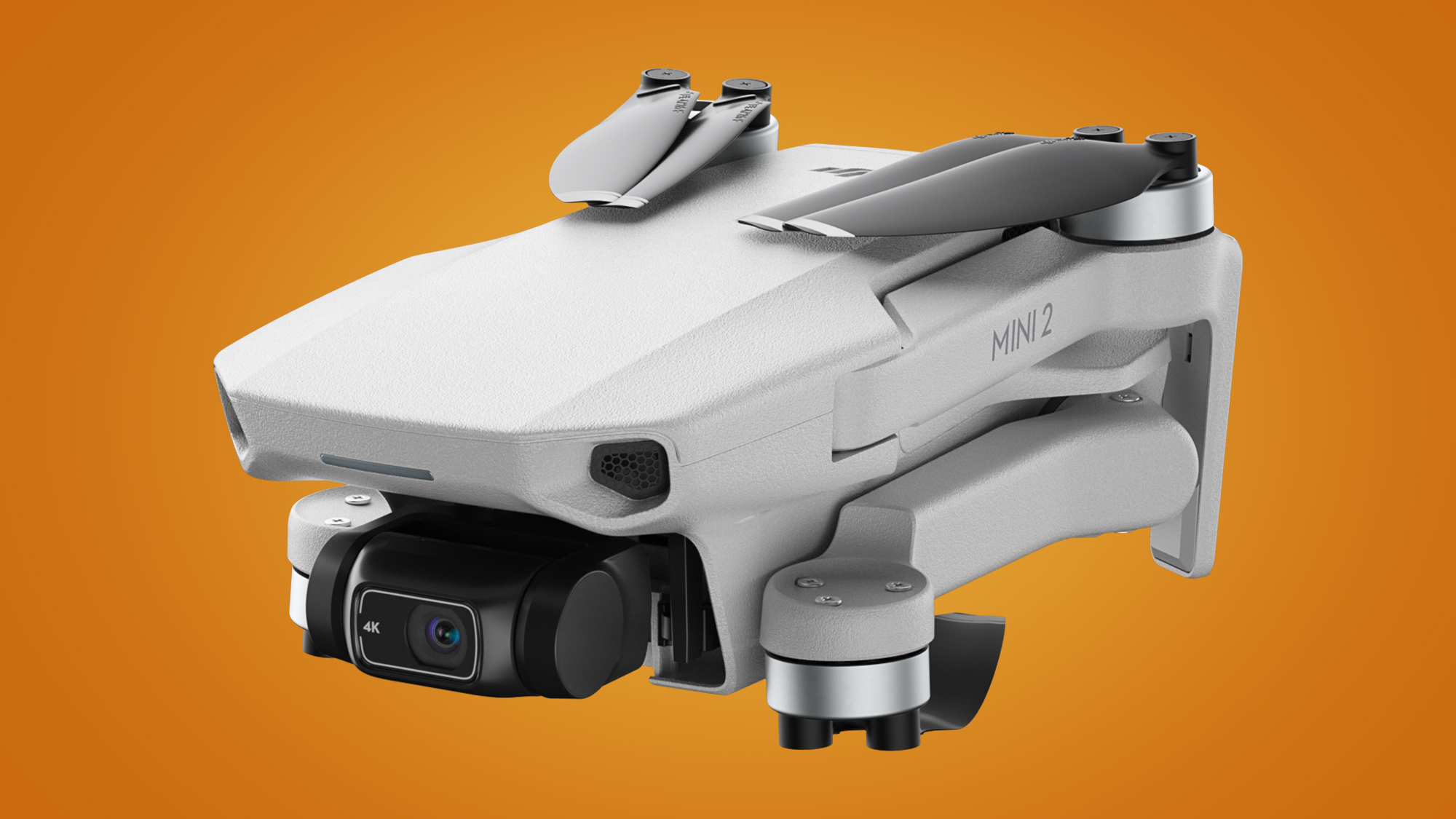
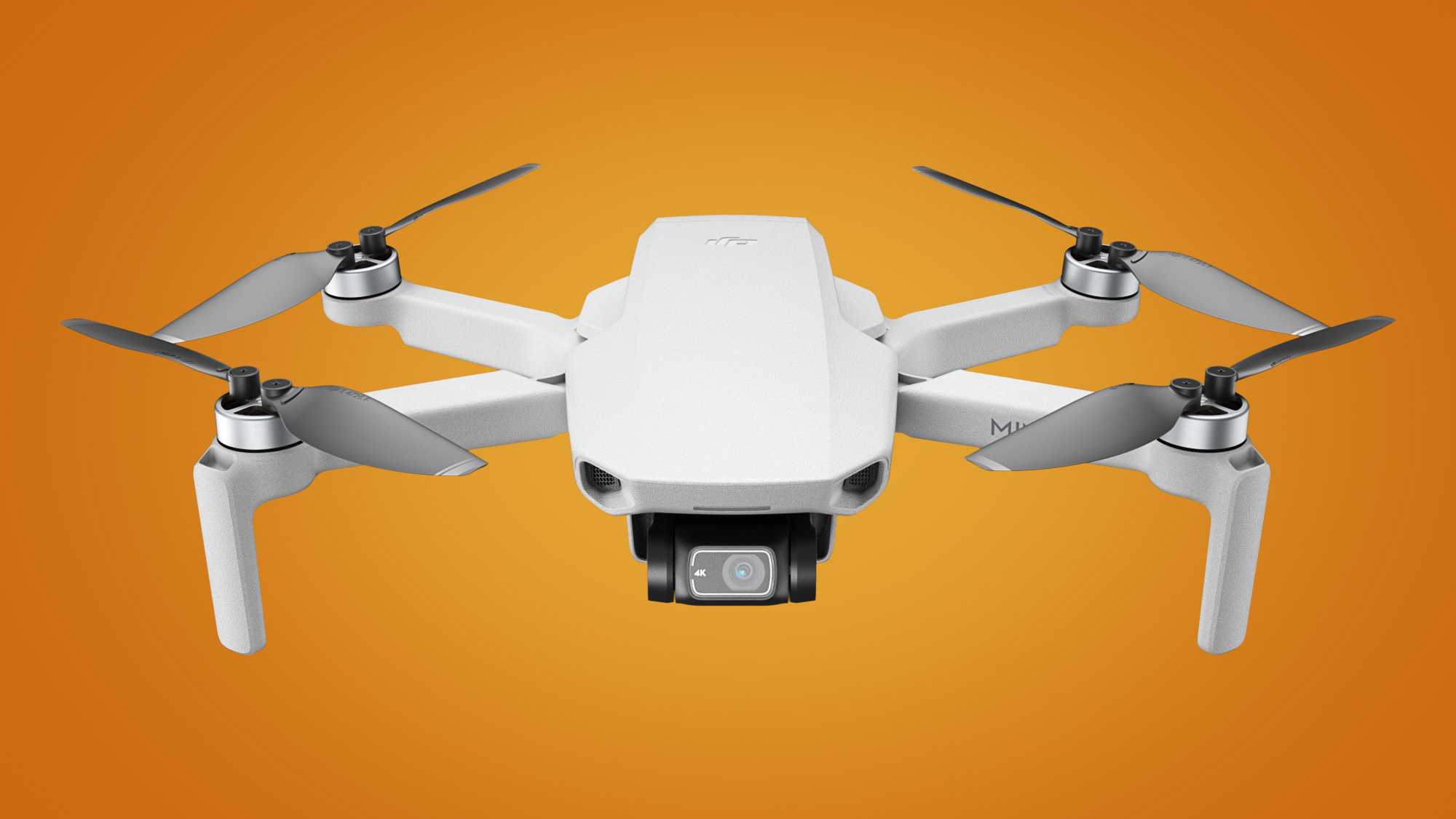
The DJI Mini 2 has flown into our lives just a year after the arrival of the DJI Mavic Mini. It's surprising to see a successor to DJI's smallest and cheapest drone already, so what new tricks has it learnt in just 12 months?
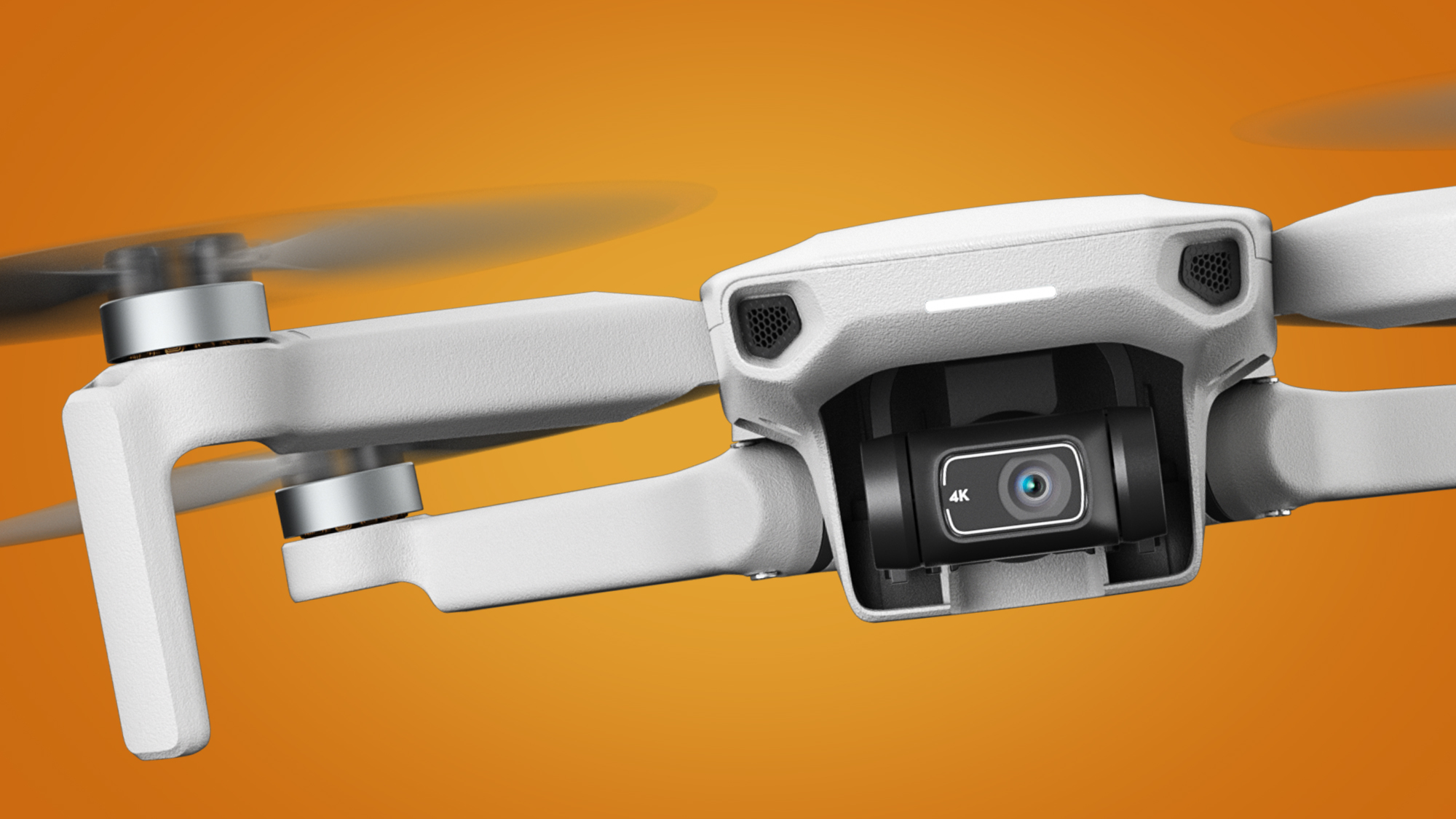
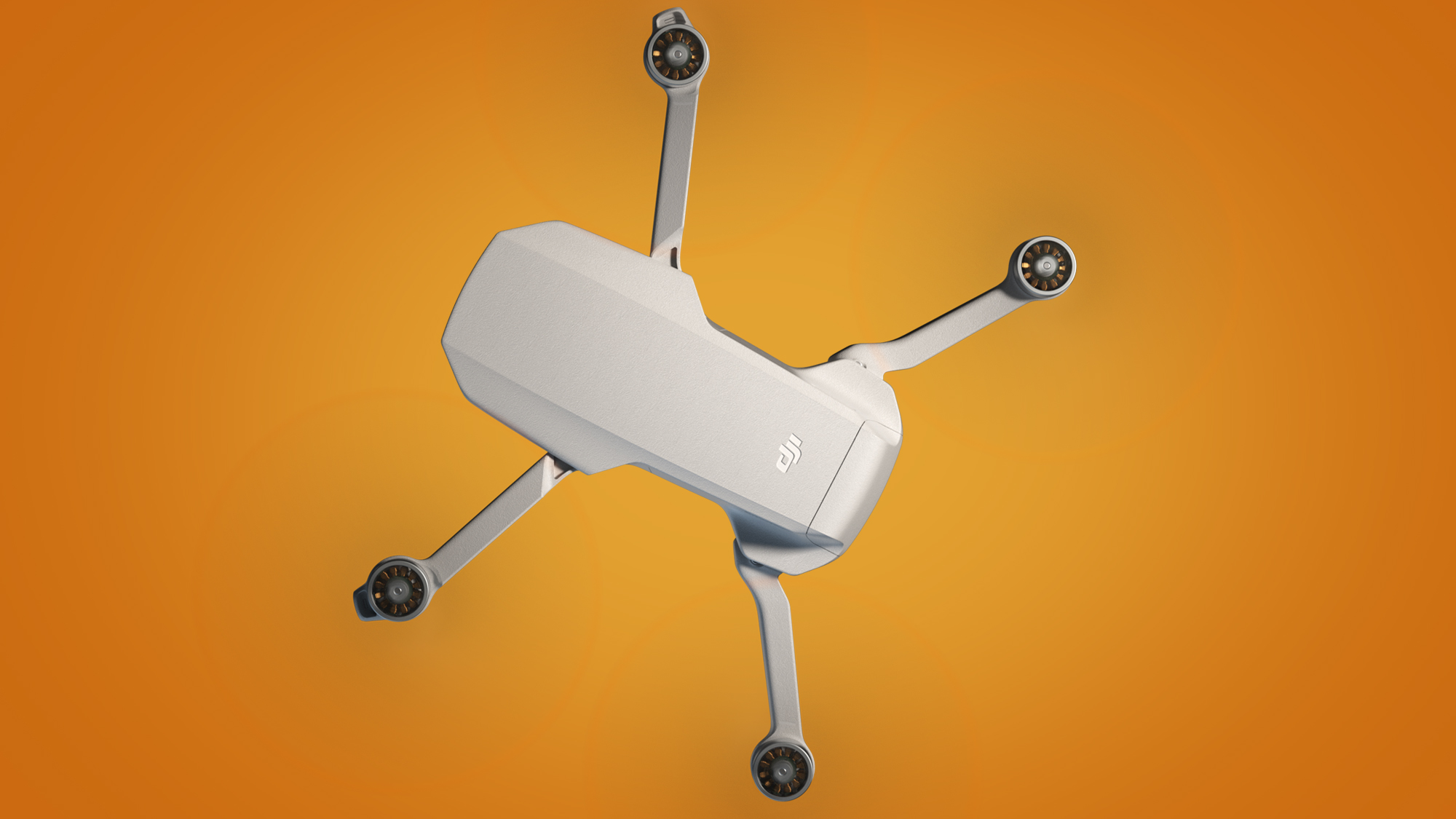
On the surface, the DJI Mini looks identical to the Mavic Mini, with both drones featuring identical designs and three-axis gimbals.
There are other similarities, too – both the Mini 2 and Mavic Mini have the same image sensor, automated QuickShot modes and DJI Fly companion app.
But DJI has managed to add a few headline upgrades that could tempt existing Mavic Mini owners to trade their drones in for the new model.
While the Mini 2 remains an beginner drone that falls short of offering pro-level flying performance or features, it is the most powerful little flying camera we've seen at this size and price point.
Here are the five main ways the DJI Mini 2 differs from 2019's Mavic Mini, which will remain on sale as an even cheaper alternative...
Or check out our guide to the best DJI drones you can buy right now
1. The Mini 2 shoots 4K video
One of our main criticisms of the DJI Mavic Mini was that it didn't record 4K video, instead topping out at a maximum 2.7K/30p resolution. The Mini 2 addresses that with a headline 4K/30p mode, which it can shoot at a bit-rate of 100Mbps.
(Image credit: DJI)
By comparison, the Mavic Mini could only shoot at 40Mbps, so the Mini 2's combination of resolution and bit-rate should represent a decent step up in video quality, particularly if you're shooting footage for the big screen.
That said, the DJI Mavic Air 2 offers another step up with its combination of a larger 1/2-inch sensor and 120Mbps bit-rate.
The Mini 2 actually uses the same 1/2.3-inch sensor as the Mavic Mini, and we're slightly disappointed to see there's still no 2.7K/60p mode on the new model. But its 3-axis gimbal means you can expect superior overall quality than the most other entry-level drones.
2. Ocusync helps the Mini 2 fly further
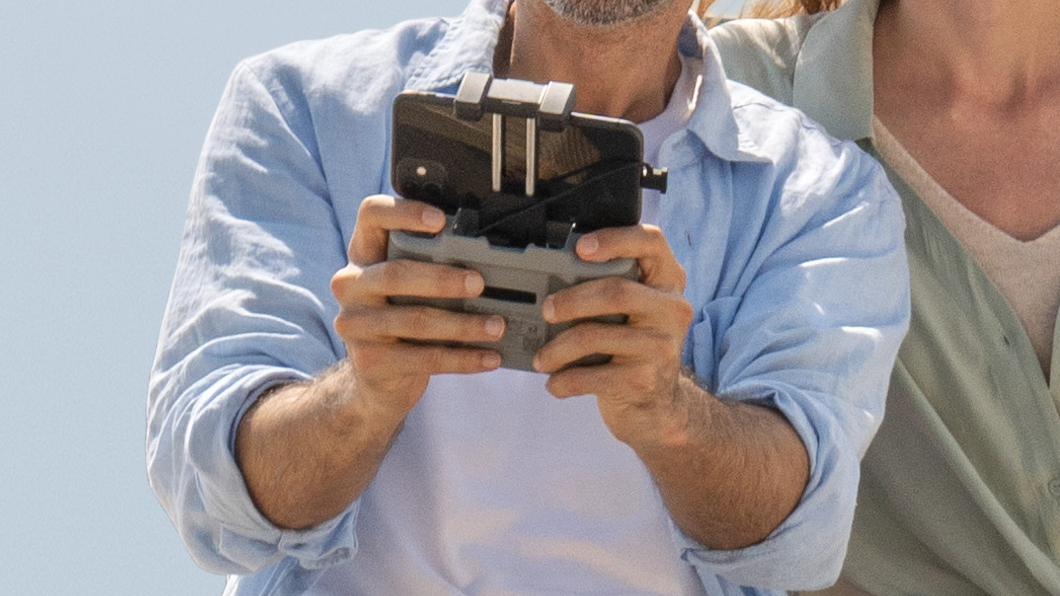
DJI uses different transmission systems (which is the way the drone and controller communicate) for different models. Its beginner drones tend to use Enhanced Wi-Fi, which is what we saw on the DJI Mavic Mini. But thanks to a new controller, the Mini 2 has surprisingly has a more advanced proprietary system called Ocusync 2.0.
What does this mean? You'll be able to control and see the Mini 2's video feed from much further away than on the Mavic Mini. While the latter's maximum range is 4km, its successor promises to be controllable via a reliable HD video feed from 6km away (in Europe) or 10km in FCC-compliant countries like the US and Australia.
(Image credit: DJI)
This is because Ocusync 2.0, which we also saw recently on the DJI Mavic Air 2, supports both 2.4GHz and 5.8Ghz frequency bands and auto-switches between the two based on signal strength.
It's worth bearing in mind that those distances are maximums – in reality, you'll get somewhere between a 3km-6km range in more populated areas with lots of competing signals. And according to the latest drone laws, you'll also need to keep your drone in the line of sight at all times anyway.
3. The Mini 2 has more powerful motors
We'll have to wait to see exactly how much of an impact this has on the Mini 2, but DJI says it has upgraded motors compared to the Mavic Mini. This has a few relatively handy but relatively minor impacts on its flying performance.
Firstly, the Mini 2 has slightly faster acceleration than its older sibling, managing to ascend at 5m/s in its fastest 'Sport' mode, compared to 4m/s on the Mavic Mini. The new drone also has higher top speed of 16m/s compared to 13m/s on its predecessor.
(Image credit: DJI)
Importantly for a small drone that tends to struggle in breezy conditions, the Mini 2 can also apparently withstand slightly stronger 24mph winds. Although this again isn't a huge upgrade on the Mavic Mini, and it's fair to say neither drone is suitable for flying in really gusty conditions.
Still, the new motors apparently also contribute to the Mini 2's slightly longer 31-minute flight time, which is a minute longer than the Mavic Mini.
4. You can shoot raw photos on the Mini 2
A little extra treat for photographers on the Mini 2 is the ability to shoot DNG raw photos, something that isn't available on the JPEG-only Mavic Mini.
Raw photos give you greater editing flexibility than JPEGs, which means you can fine-tune the results a bit more to your liking in programs like PhotoShop.
(Image credit: DJI)
Sadly, there's no equivalent for video on the Mini 2, with no option for D-log or any other picture profiles, so in this sense it's still very much a flying companion for beginners and hobbyists.
More advanced aerial videographers looking for a small drone with more flexible footage should check out the DJI Mavic Air 2, which shoots in the D-Cinelike profile, or the DJI Mavic 2 Pro.
5. The Mini 2 is pricier than the Mavic Mini
The addition of these extra features to the DJI Mini 2 hasn't come without some added cost – in fact, the new drone has had a 14% price hike compared to the launch price of the Mavic Mini.
(Image credit: DJI)
You can buy the Mini 2 in its basic bundle for $449 / £419 / AU$749, or with its Fly More Combo pack (which includes extra batteries, a charging hub and a carry case) for $599 / £549 / AU$949.
This takes the Mini 2's price that little bit closer to the DJI Mavic Air 2, which starts at $799 / £769 / AU$1,499, though it's still (on paper) by far the most capable drone in its price and weight class. We'll bring you a full review to let you know whether that's indeed the case very soon.
The DJI Mini 2 has officially touched down to become one of the least surprising launches in tech history, following weeks of spectacular leaks and unboxings.
The successor to the DJI Mavic Mini, which arrived in 2019 to become DJI's smallest and cheapest drone, the Mini 2 shares an almost identical design, but adds some crucial upgrades that could make it a prime candidate for Christmas stockings.
The big headlines are the inclusion of 4K/30p video shooting, a boosted 100Mbps video bit-rate, and the surprise inclusion of Ocusync 2.0 transmission, which significantly expands the drone's flying range.
(Image credit: DJI)
But there some omissions too, including the lack of the strongly rumored 'Follow Me' mode or 2.7K/60p shooting.
That's a slight shame for those who were hoping for a tiny drone that could automatically follow them around, but otherwise the DJI Mini 2 is shaping up to be the best beginner drone you can buy. Even with the DJI Mavic Mini confirmed to be remaining on sale.
We've been pouring over the Mini 2's specs sheet to bring you this breakdown of what new things DJI's diddy drone brings to the aerial filmmaking table. But first, the important question of how much it costs and when you can buy it...
The DJI Mini 2 is available to buy right now for $449 / £419 / AU$ 749 for its basic bundle. This includes the drone, remote controller, battery, smartphone cable (USB-C, Lightning and Micro USB) and extras including propellers and control sticks.
We usually recommend going for the Fly More Combo bundles on DJI drones, though, just because they offer good value on useful accessories. The DJI Mini 2's Fly More Combo costs $599 / £549 / AU$949 includes everything in the basic bundle, plus two extra batteries, a two-way charging hub, a carry case and propeller guards.
(Image credit: DJI)
How does this compare to the DJI Mavic Mini's pricing? That drone arrived for $399 / £369 / AU$599, which is about 14% to 20% cheaper (depending on which country you live in) than the Mini 2.
DJI says the Mavic Mini will also remain on sale, so that's a potentially cheaper option if you don't need 4K video or Ocusync connectivity – and there's always the chance that retailers might give the Mavic Mini a slight discount in time for Christmas.
Still, there's no doubt that the DJI Mini 2 is a better all-rounder overall, thanks to the addition of these new upgrades and features...
DJI Mini 2 specs and features
Shoots 4K video at 30p/25p/24p
Now has Ocusync 2.0 connectivity for an increased flying range
Also features a slightly boosted 31-minute flight time
Most of the DJI Mini 2 leaks, which included two unboxing videos and a listing on a German retailer, turned out to be correct, although a couple of rumored features sadly didn't make it onto the drone.
As expected, the big news is that the Mini 2 is a capable of shooting 4K video at 30p/25p/24p, which trumps the Mavic Mini's top 2.7K/30p mode. The new Mini also has a maximum video bit-rate of 100Mbps, quite a leap over its predecessor's 40Mbps.
(Image credit: DJI)
The combination of these two things should give the Mini 2 a noticeable boost in video quality, particularly if you tend to shoot for bigger screens rather than social media.
That said, both drones have identical 1/2.3-inch sensors and three-axis gimbals, so the leap probably won't be drastic either. It's also a slight shame to see there's still no 2.7K/60p mode on the Mini 2.
Beyond the video quality upgrade, the biggest new feature on the Mini 2 is that has Ocusync 2.0 transmission, thanks to its new controller.
What is Ocusync 2.0? DJI uses different transmission systems (which is the way the drone and controller communicate) for different drones, and Ocusync 2.0 is its most recent one. We saw the same connectivity recently on the more expensive DJI Mavic Air 2.
(Image credit: DJI)
The main benefit of Ocusync 2.0 is improved flying range. The Mavic Mini uses 'Enhanced Wi-Fi' to connect to its controller, which limits its range to a maximum of 4km. That's still a long way for a beginner drone, though, particularly when most drone laws state that you must fly it within the line of sight. So it's something of a surprise to see the Mini 2 upgraded to Ocusync 2.0.
In theory, this means you'll be able to fly it via a reliable HD video feed from up to 6km away (in Europe) or 10km in FCC-compliant countries like the US and Australia. The real-world ranges are likely to be shorter than that, particularly in places with competing signals. But it again shows that the DJI Mini 2 is way more advanced than a 'toy drone'.
(Image credit: DJI)
Two other upgrades over the Mavic Mini are some slightly more powerful motors and the ability to shoot raw photos.
DJI says the new motors give the Mini 2 slightly faster acceleration (5m/s, up from 4m/s) and a higher top speed, while also allowing it to withstand stronger winds of up to 24mph.
We'll have to see how this stands up in reality, but it's a relatively minor upgrade that doesn't change the fact that this is a drone that prefers flying in calm conditions.
A sample photo taken on the DJI Mini 2(Image credit: DJI)
More interesting for aerial photographers is the inclusion of raw photo shooting. This was a much-requested feature from fliers who felt too restricted by the JPEG-only shooting of the Mavic Mini, and it promises to give you more editing flexibility for the photos you take with the Mini 2.
The same flexibility hasn't been extended to the Mini 2's video, though, which you can still only shoot in MP4 (with H.264 or MPEG-4 AVC codecs). More advanced drones like the DJI Mavic Air 2 let you shoot in video profiles like D-Cinelike, so if you like to color grade your videos, you may want to consider DJI's mid-range drone instead.
Controller-free connection to the DJI Fly app for downloading footage
Includes five QuickShot video modes, including Boomerang
No 'follow me' or ActiveTrack subject tracking
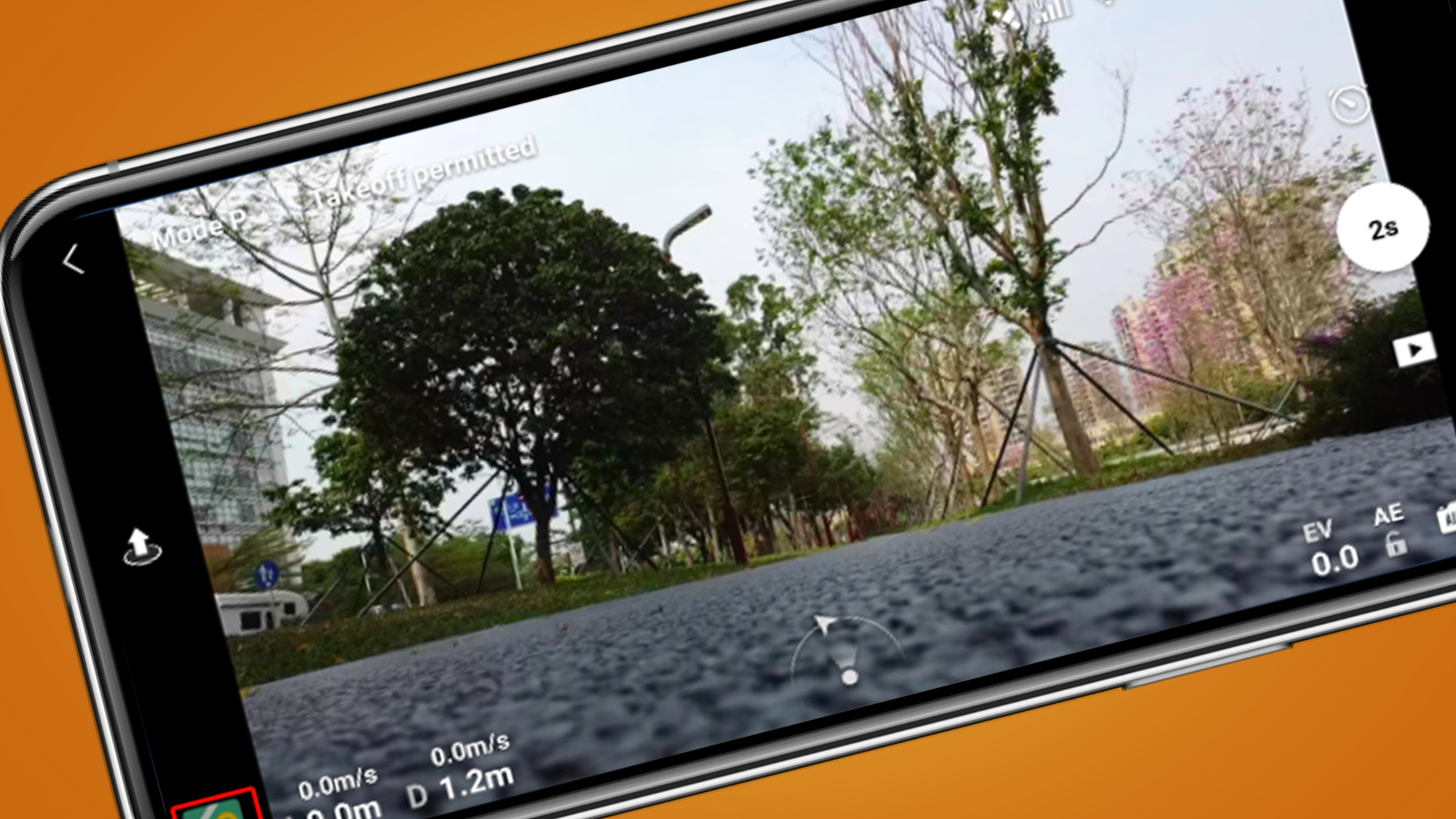
DJI says that its Fly app has been improved to make sharing your Mini 2 videos and snaps easier.
The main difference is that you can now directly connect your Android or iOS phone to the drone without needing the remote controller. From there, you can download images at 20MB/s.
Once they're on your phone, you can also do basic editing with a couple of new tools. Enhanced Photo applies automatic edits to make the image 'pop' (so expect the saturation to be cranked up), while Trimmed Download lets you make basic trims before you download them to your camera roll.
(Image credit: DJI)
What kind of flying modes does the Mini 2 offer via its app? These are all pretty similar to the Mavic Mini, which means you get Geofencing and Return-to-home, along with an altitude limit that allows you to set a maximum if you're handing the controller to a novice flyer.
Like before, you also get a range of 'QuickShots', which are pre-programmed flying maneuvers that give you cinematic shots. These include Dronie, Helix (our personal favorite), Rocket, Circle and the new addition of Boomerang, which promises to see the Mini 2 fly a boomerang-like oval flight path around a subject.
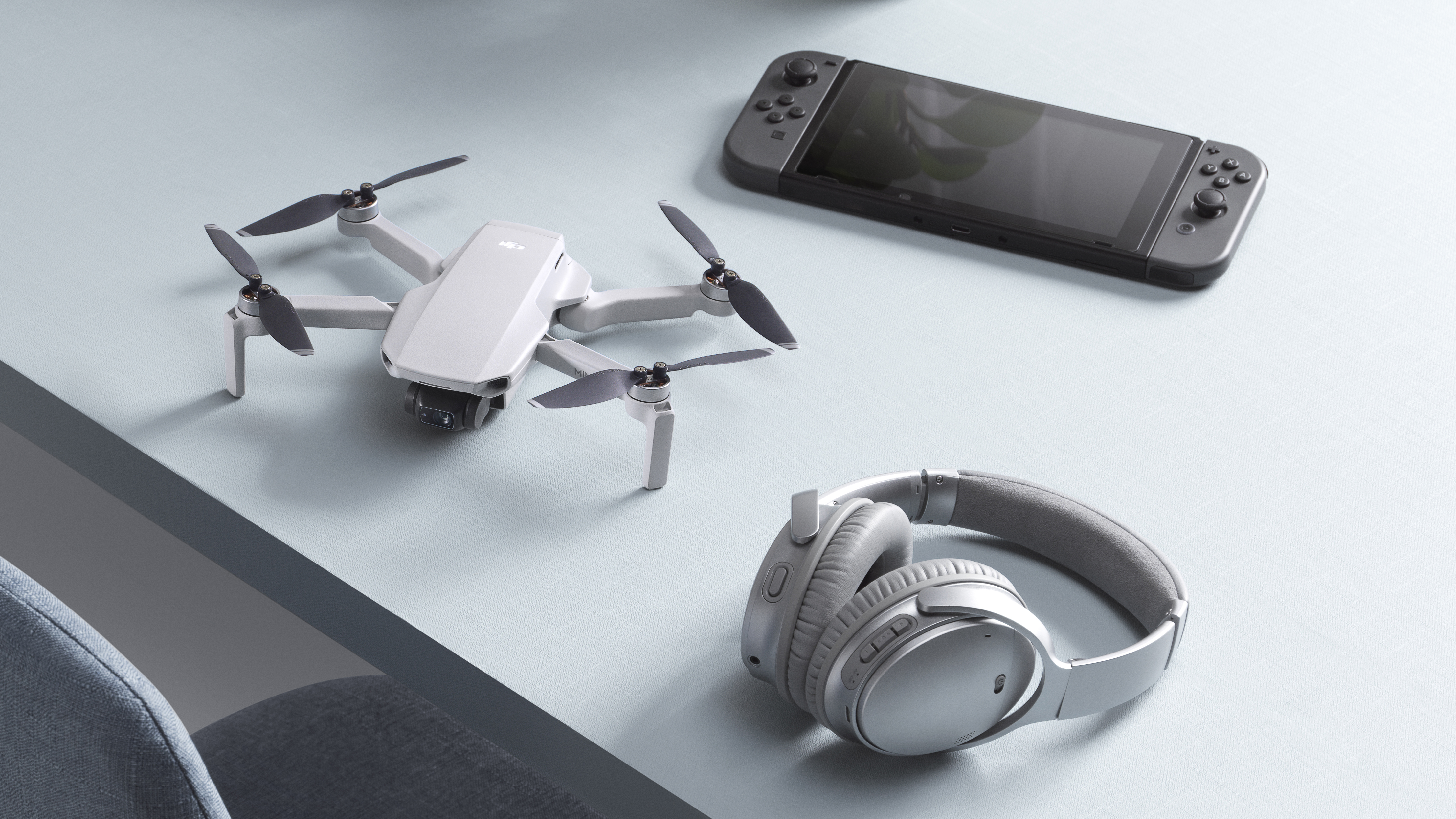
A DJI Mini 2 size comparison with a Nintendo Switch (this isn't its controller) and a pair of headphones.(Image credit: DJI)
There is one big omission on the Mini 2, though, which was rumored to be on board – a 'Follow me' function. On other DJI drones, this uses GPS to automatically follow whoever is holding the controller, which is very handy if you're a solo filmmaker.
The DJI Mini 2's lack of a 'Follow me' mode or 'ActiveTrack' is a shame and may push some towards more advanced DJI Mavic Air 2. That said, there is some hope of a workaround with third party apps like Litchi.
DJI recently opened up the SDK for the Mavic Mini, which allows apps like Litchi (currently in beta) to add additional features like 'Follow Me' to compatible drones. Interestingly, DJI told us that there will be also be a Mini 2 SDK available, but not at launch. So while there might be a wait for developers to get their hands on it, it is en route. You can get updates on this via DJI's Developer page.
(Image credit: DJI)
DJI Mini 2 early verdict
On paper, the DJI Mini 2 fixes most of our main criticisms of the Mavic Mini, including the lack of 4K video shooting. It also has a much longer range, the ability to shoot raw photos, and slightly more powerful motors to make it a more confident flier.
We're looking forward to testing the Mini 2 to see how much of a difference the latter makes, but when you add these features to the Mavic Mini's existing strengths – its tiny size, affordable price tag, and user-friendly flying – you get a very compelling new option for beginners looking to dip their toes into aerial filmmaking.
We're disappointed to see that there's still no 'follow me' mode or ActiveTrack subject tracking, though, and it's worth noting that in some countries (like the UK) even the DJI Mini 2 will need registering with civil aviation authorities from next year, because it has a camera. This has previously been something that this drone's 249g weight exempted it from.
Still, that's not currently the case everywhere, and the DJI Mini 2 otherwise has all of the tools needed to take the top spot in our best beginner drones guide. We'll let you know if it does indeed earn that number one ranking in our full review soon.
UK drone laws: where can and can't you fly your drone?
from TechRadar - All the latest technology news https://ift.tt/3jZ7qk6
via IFTTT
Canon has announced a pair of highly tempting new RF lenses for cameras like the Canon EOS R5, including what it claims it the "world's shortest and lightest" 70-200mm f/4 telephoto.
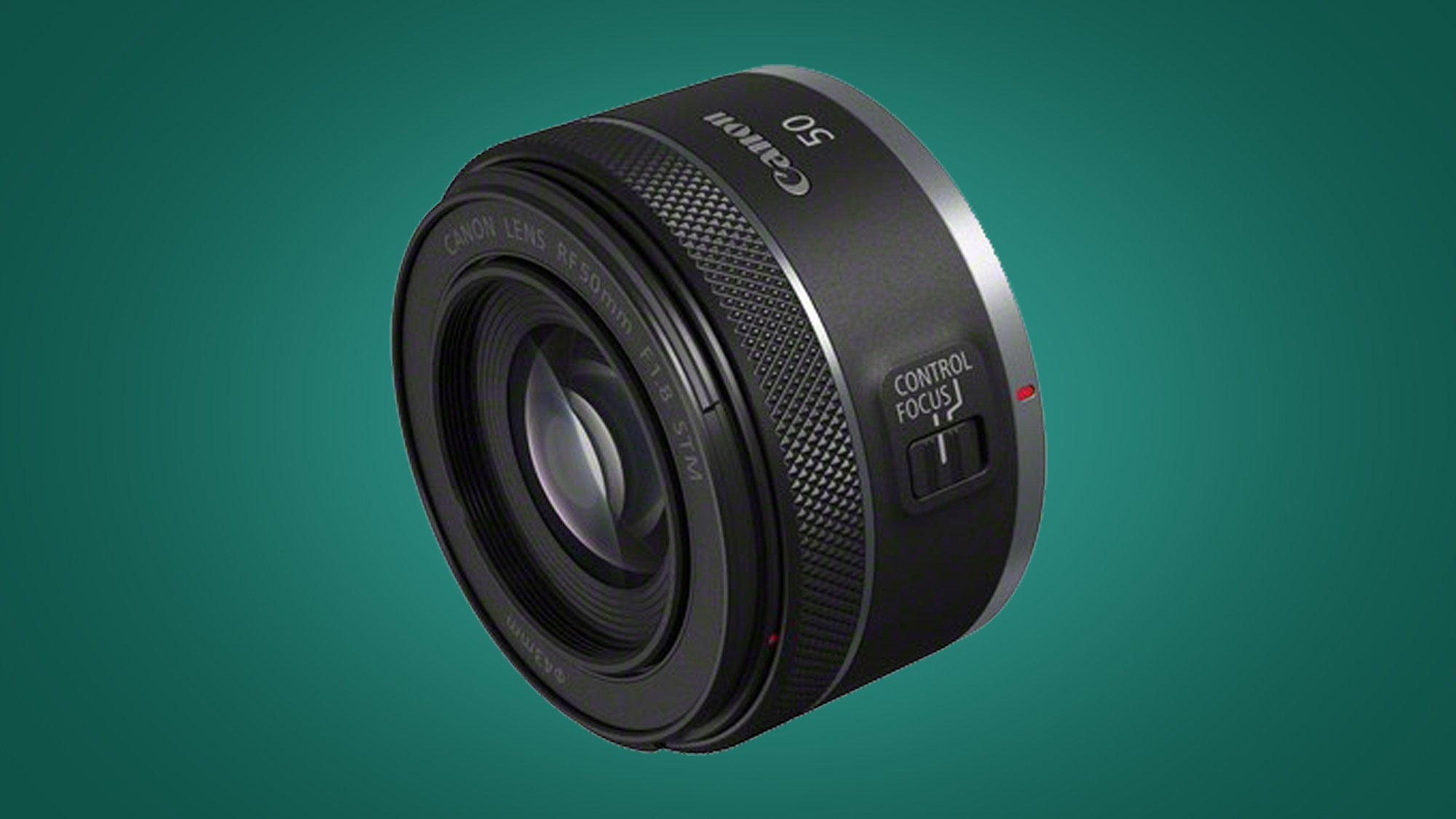
Announced alongside an impressively affordable RF 50mm f/1.8, which is a stalwart prime lens commonly referred to as a 'nifty fifty', the two lenses will help widen the appeal of a Canon mirrorless system that was initially skewed towards well-heeled pros.
The RF 70-200mm f/4L IS USM, in particular, could prove to be at least as popular as the EF mount equivalent that became a go-to for Canon DSLR owners. The 70-200mm focal range is particularly important because it's so versatile, making it suitable for everything from portraits to zooming into landscapes.
Canon's EOS R range already has the 70-200mm f/2.8L IS USM, but its pro design and constant f/2.8 aperture mean it's out of the price range of most people. This is where the new f/4 versions slots into the family, offering a smaller and more affordable option for those who've bought cameras like the Canon EOS R and Canon EOS R6.
While its compact design unfortunately means it doesn't support a teleconverter to extend its focal range further, the RF 70-200mm f/4L IS USM is impressively compact for a lens with such reach.
It's 32% smaller than its EF counterpart, weighing in at 695 grams, and also has five-stop optical image stabilization on board. Pair it with a Canon EOS R5 or R6, which also have IBIS, and you'll apparently get an impressive 7.5 stops of stabilization, a big boon for handheld shooting.
Because it's an L-series lens, the RF 70-200mm f/4L IS USM is weather-sealed, and its focusing is powered by dual Nano USM tech. This means there are two Nano USM motors working in tandem to move the glass around, which should make it quiet and power efficient. This also reduces 'focus breathing' (an effect where the lens elements slightly zoom in or out when you change focus), making it suitable for both stills and video.
If you've been waiting for a more affordable 'nifty fifty' for your EOS R camera, though, then the Canon RF 50mm f/1.8 STM (above) is here for your Christmas list.
These 50mm prime lenses are popular because they offer an angle of view that's close to human vision, making them ideal for street or portrait snapping. The RF 50mm f/1.8 STM is effectively an update of its EF equivalent, only with a new design and optical system.
The lens still has the same 7-blade circular aperture as its EF predecessor, but now has a smaller minimum focusing distance of 30cm (compared to 35cm on the EF version). While this doesn't exactly make it suitable for macros, it does boost its versatility – pair it with a Canon EOS R5 or R5 and you'll be able to use it in even more situations, thanks to the resulting seven stops of stabilization.
Canon also claims that the new optical design means you'll get better sharpness in the ring around the center of your photos, compared to the Canon EF 50mm f/1.8 STM.
So when can you snap up the new lenses for your EOS R camera? Canon says both will be available from the first week of December, with the RF 50mm F1.8 STM costing $199 / £219.99 (around AU$400) and the RF 70-200mm F4L IS USM priced at $1,599 / £1,699.99 (around AU$3,100).
Looking for the best Fujifilm Instax Mini prices? These instant cameras have been a huge hit in recent years as quirky gifts or a way to create tangible photographs in an increasingly always-online world. There are plenty of designs to choose from today too with options to suits youngster and retro instant photo fans alike.
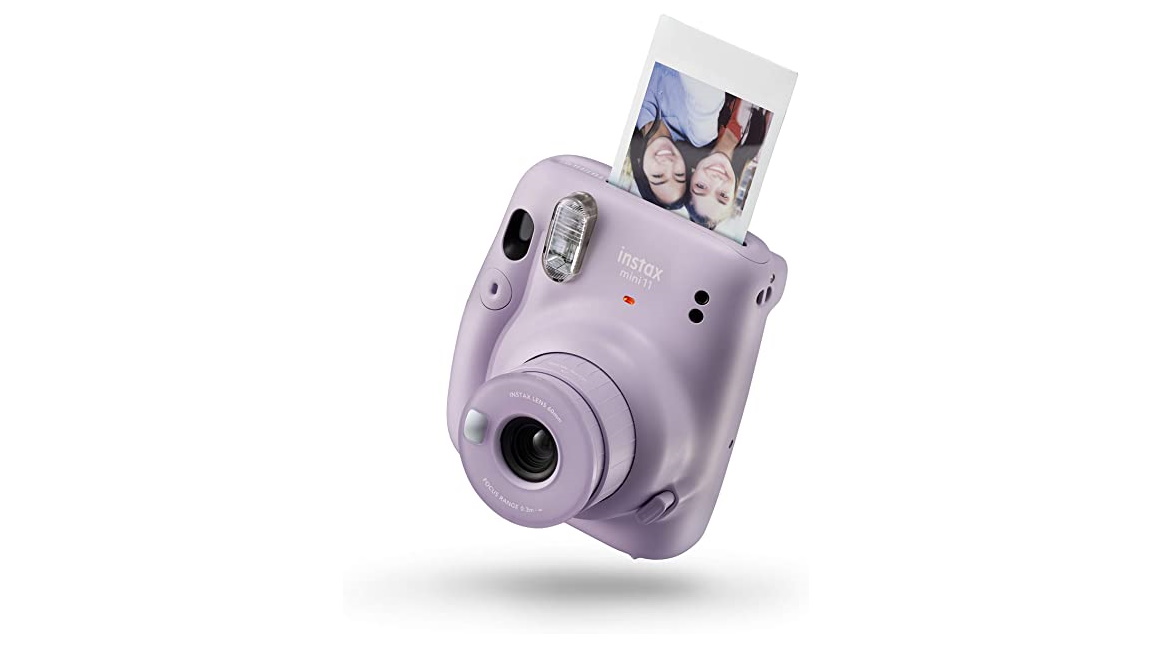
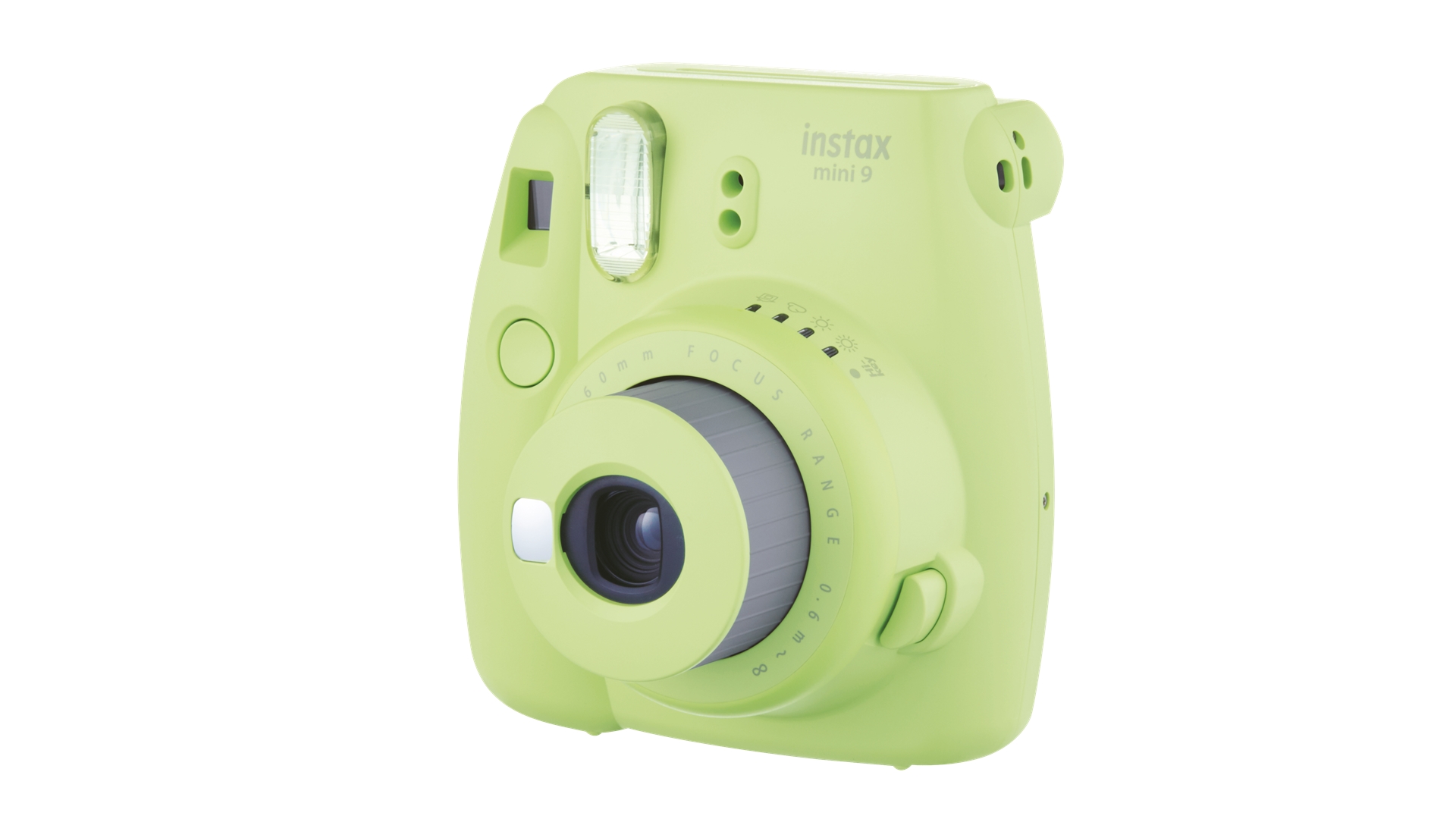
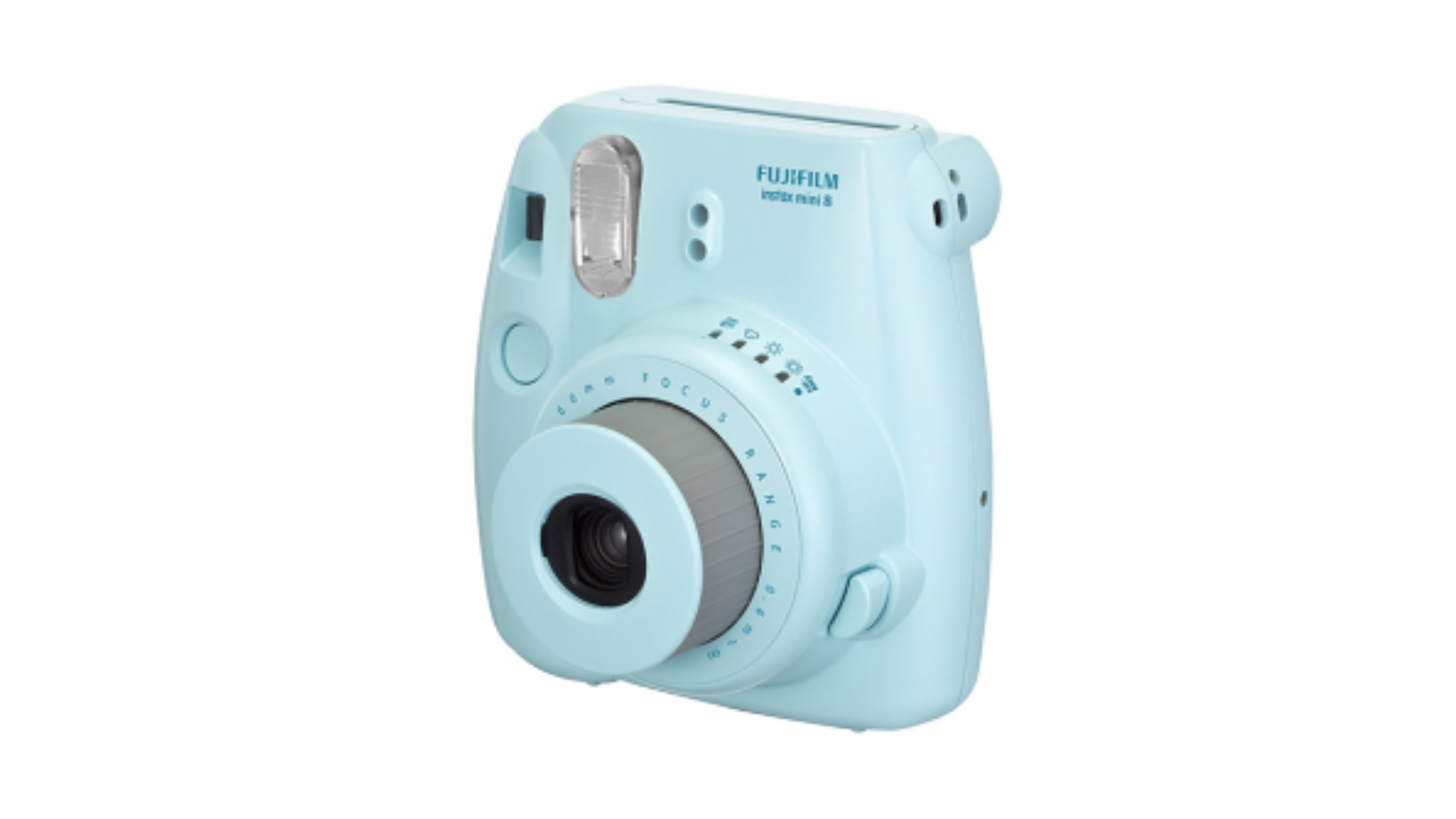
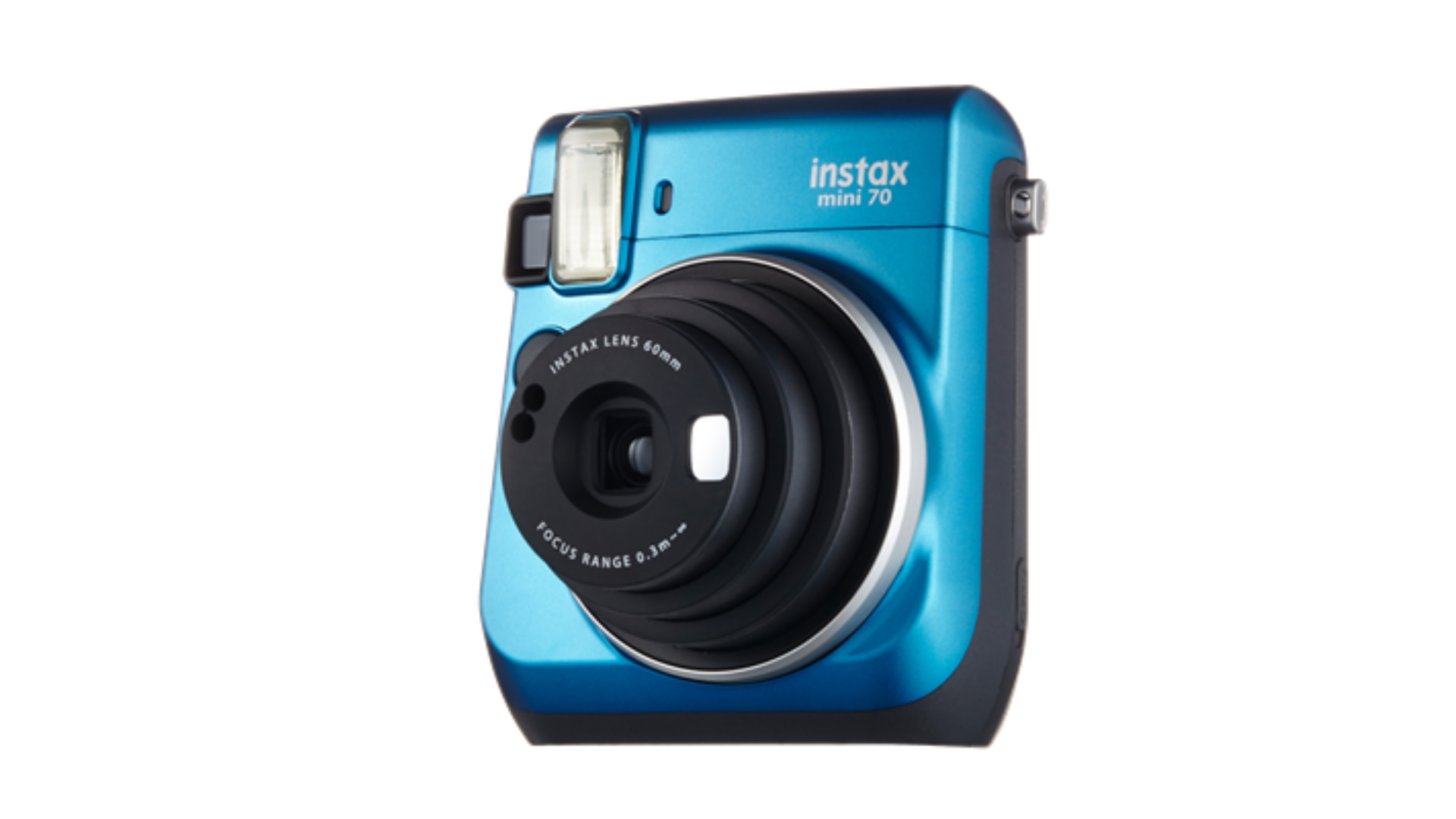
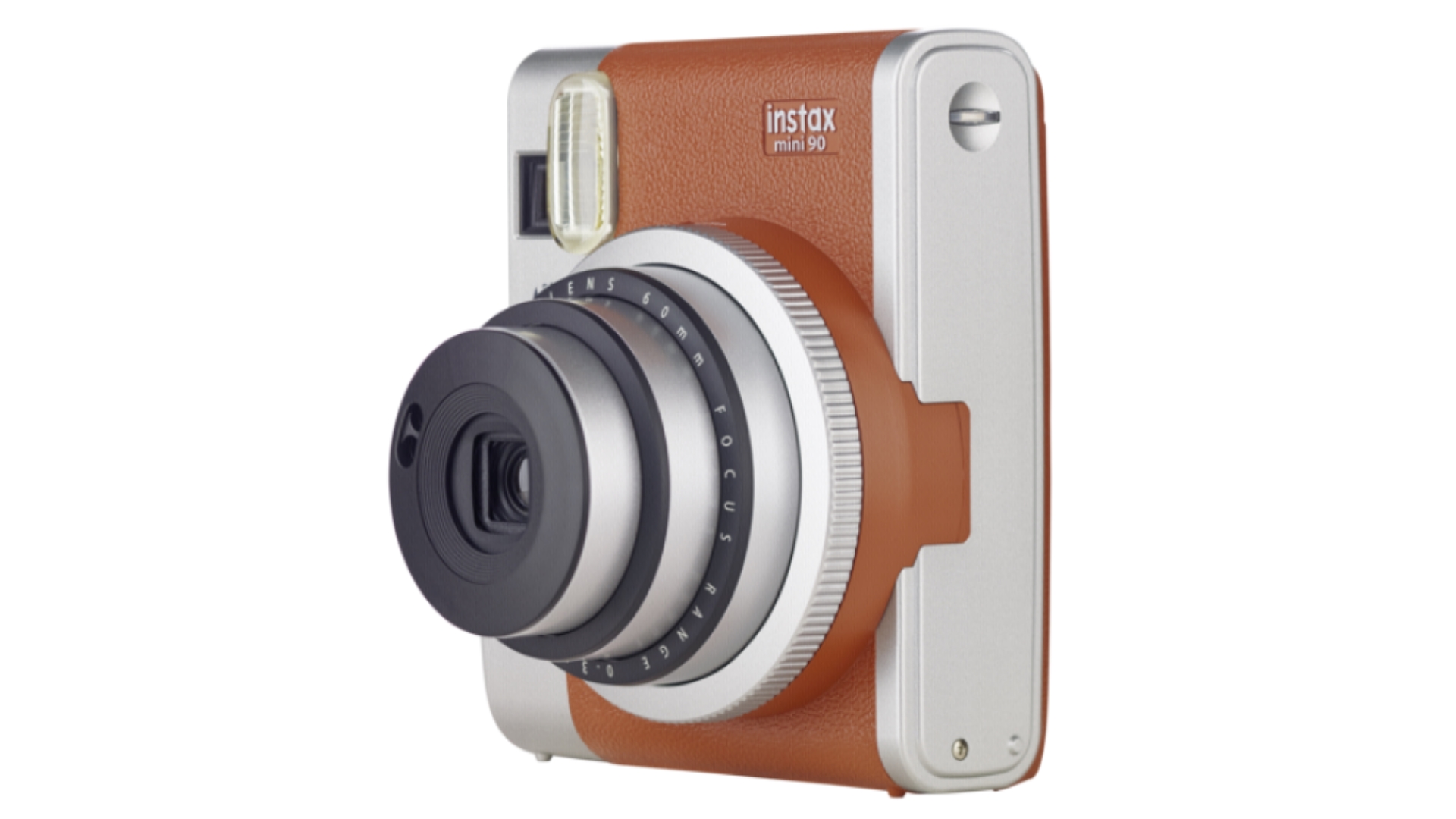
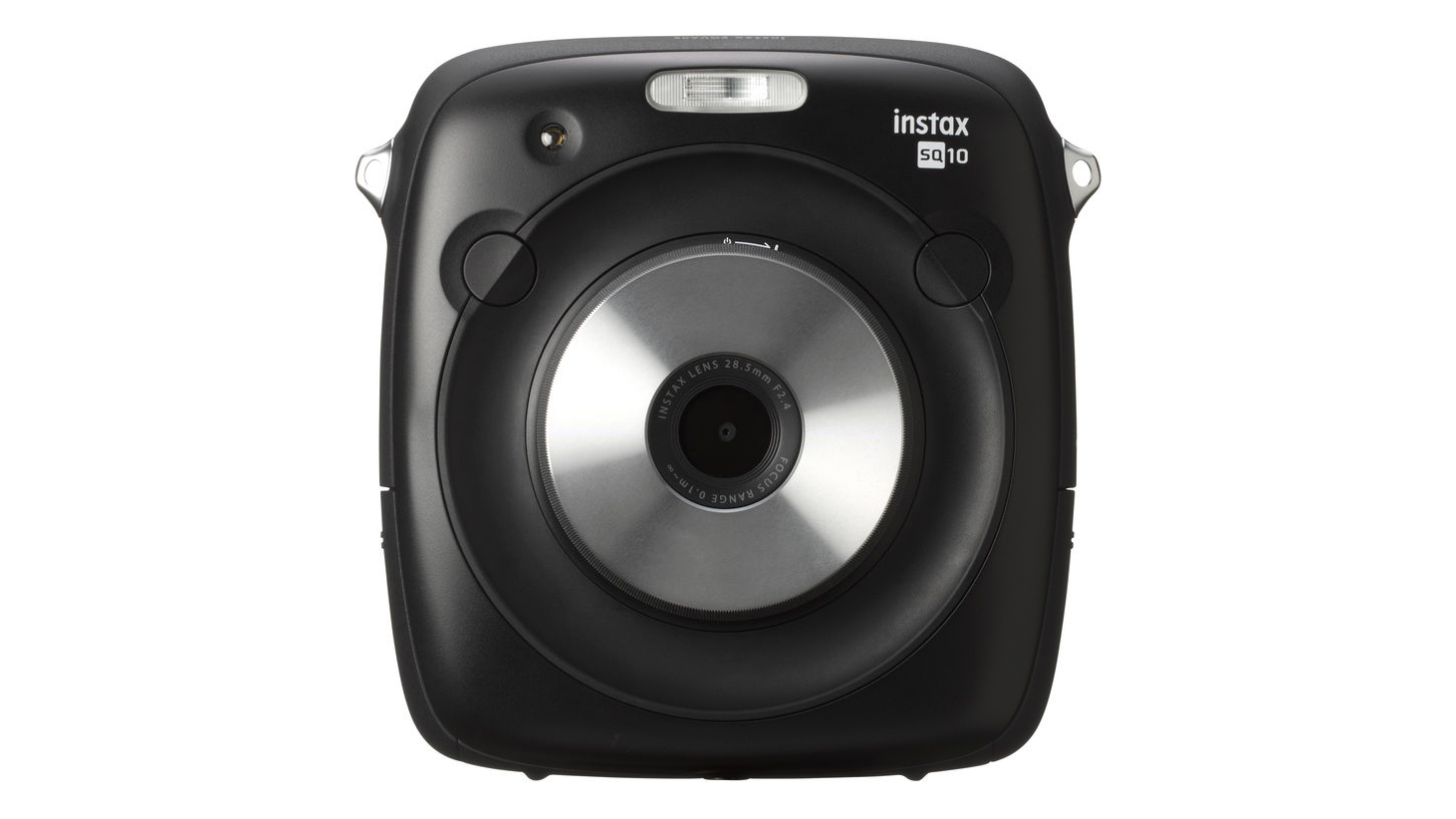
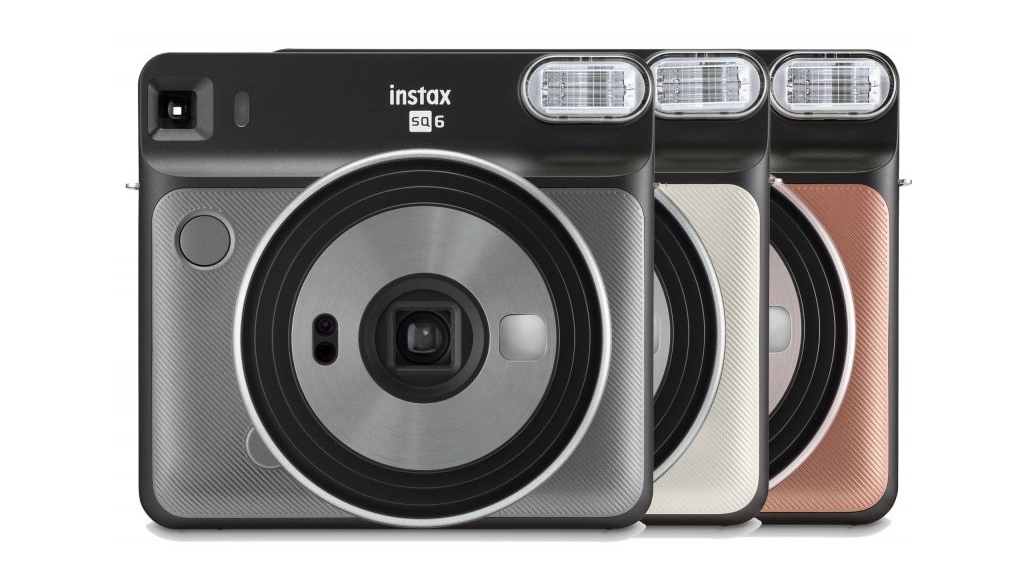
We're here to help you compare all the best deals on the most popular Instax Mini cameras, including the budget-friendly Fujifilm Instax Mini 8, 9, or the latest release, the Instax Mini 11, or the retro-themed instant cameras like the Fujifilm Instax Mini 70 or Instax Mini 90. That's not forgetting the likes of the Fujifilm Instax Square SQ10 and SQ6 series too.
Prices alone might not be enough though, so we've given each of these Instax Mini cameras a rundown of information to help you choose the one that's right for you.
These fun cameras are always sought after during the summer months for outdoor holiday snaps and their popularity shoots up as a fun Christmas presents too. That's why you might have some luck picking up cheap Instax Minis during the upcoming Black Friday deals and Cyber Monday sales events, though there's no guarantee we'll see cheaper prices than those available today.
We're rounding up all the latest Instax Mini deals right here, so you can find the lowest prices going on the best models.
Best Instax Mini prices and deals
(Image credit: Fujifilm)
Fujifilm Instax Mini 11 deals
The latest Instax Mini camera
Film type: Instax Mini | Image size: 6.2x4.6cm | Lens: 60mm f/12.7 | Exposure modes: Automatic Exposure mode | Flash: Built-in (cannot be deactivated) | Self-timer: No | Viewfinder: Optical
New automatic exposure mode
Similar price to the Mini 9
Close up photography now possible
Highlights can look overblown still
Released in March 2020, the Instax Mini 11 price is not dissimilar from its predecessor. In fact, you'll only pay around $10 more for the latest release and still reap the rewards of the new features installed. With automatic exposure you no longer need to remember to set individual lighting settings, no doubt saving countless shots, and a new focus on close up shooting will allow you to expand your instant photography portfolio with a new range of subjects.
Aside from these nifty features, you're still picking up the recognisable plastic camera shell we've come to recognise, as well as a new selfie lens barrel that does away with the clip-on attachment of yore.
Fujifilm Instax Mini 9 prices
The best Instax Mini for selfies
Film type: Instax Mini | Image size: 6.2x4.6cm | Lens: 60mm f/12.7 | Exposure modes: Sunny, Cloudy, Indoor and Hi-key | Flash: Built-in (cannot be deactivated) | Self-timer: No | Viewfinder: Optical
Selfie mirror included
Not much more than the Mini 8 now
Mirror aside, it's the same as the 8
There's really only one difference between the Instax Mini 8 and the Instax Mini 9 and it's a tiny little mirror. The Instax Mini 9 has a small mirror next to the lens, making lining up selfies much easier and ensuring a more accurate picture. The newer Mini 9 is slightly more expensive than the Mini 8, but consider this: if you're likely to be taking a lot of selfies, the mirror could save you a small fortune on film costs as you'll have fewer wonky, poorly framed snaps. If the price is right for the colour you want, this is the one we'd go for.
The Instax Mini 9 requires two AA batteries and is available in cobalt blue, flamingo pink, ice blue, smoky white and lime green.
Fujifilm Instax Mini 8 prices
The cheapest Instax Mini camera
Film type: Instax Mini | Image size: 6.2x4.6cm | Lens: 60mm f/12.7 | Exposure modes: Sunny, Cloudy, Indoor and Hi-key | Flash: Built-in (cannot be deactivated) | Self-timer: No | Viewfinder: Optical
Fun to use
Clearance deals can be cheap
Lacks a selfie mirror
The Fujifilm Instax Mini 8 is one of the most popular instant cameras on the planet thanks to its super cheap price and bold, cheerful and colourful design. Simple to use and with brightness controls, built-in flash and cool 1.8-inch x 2.4-inch images printed straight from the camera, this really is a bargain. But could you be tempted by the newer Instax Mini 9?
The Fujifilm Instax Mini 8 requires two AA batteries and is available in black, grape, raspberry, pink, blue and yellow.
Fujifilm Instax Mini 70 prices
Same Instax fun, in a grown up chassis
Film type: Instax Mini | Image size: 6.2x4.6cm | Lens: 60mm f/12.7 | Exposure modes: High Key, Macro, Landscape, Fill-in Flash, Selfie, Timer Sunny, Cloudy, Indoor | Flash: Built-in (cannot be deactivated) | Self-timer: Yes | Viewfinder: Optical
Looks fantastic
Extra shooting options
Powered by CR2 batteries
There's certainly an argument that the Instax Mini 8 and 9 are aimed towards a younger or more casual market with its bright pastel colours and chunky build. But there are some slicker options available for not much more - namely the Fujifilm Instax Mini 70.
The Instax Mini 70 features more technical control options and shooting modes than the Mini 8/9 and takes better pictures in the dark. It comes with the selfie mirror as standard too. With a smoother metallic paint job, it loses the toyish vibe of the above models for something much more professional looking while maintaining the compact instant camera vibe. If you'd feel silly holding the Instax Mini 8, but want a similar design, this is your best bet.
The Fujifilm Instax Mini 70 runs off two CR2 batteries and is available in moon white, canary yellow, island blue, passion red, stardust gold and midnight black.
If you're looking for something with a more retro feel then it's hard to beat the Fujifilm Instax Mini 90 and its traditional leather-style binding. As you can see in the price comparison chart below, it's also the most expensive of the Instax Mini cameras in Fujifilm's range.
You're not just paying for the old-school vibe though. Bulb modes ensure you won't get pictures that are too blurry or dark. On the other side of the scale, this is the first Instax Mini camera that allows you to turn off the flash, meaning you won't get any images with way too much white light. A double-exposure mode allows you to put two images on one piece of film too.
The Fujifilm Instax Mini 90 instant camera is powered by a rechargeable NP-45A lithium battery making it the only rechargeable Instax Mini camera from Fujifilm. Colour options are much more modest than the other Instax Minis as the only differences are in the leather-style wrap finishes where you can choose between brown or Neo Classic (black).
Fujifilm's Instax Square SQ10 camera sits somewhere between its Mini and Wide range, using new-fangled square-format film and boasting digital camera functionality that the Japanese manufacturer hopes will appeal to a younger, more tech-savvy audience.
The most notable feature of the Fujifilm Instax Square SQ10 is the ability to review and edit your shots via a small LCD display on the rear of the camera. Unfortunately, the digital camera element lets the SQ10 down a bit, as the image quality can't rival other digital cameras – or smartphones. A fun piece of kit, and if you'd like more control over images and the ability to adjust and edit in-camera, it's a good fit.
If the SQ10 is a bit more than you were thinking of paying but you're still a fan of the Square Fujifilm Instax series, then let's take a look at the SQ6. Both print in the square format, but have some notable differences elsewhere. The SQ6 is an analogue camera like the cheaper Instax models, so images are printed straight away when shooting. This model lack's the SQ10's extra shooting modes and flash options too.
We do prefer the physical design of the SQ6, as the SQ10 sometimes reminds us of a divers camera, while the former has a classic retro feel. When all's said and done though, it depends on if you want the stylish camera or the digital camera/printer that allows you to judge an image before printing it out. If you know you're prone to maybe taking a few poor pictures you may end up saving a lot of money with the digital camera instead of paying for extra film sheets.
Instax Mini Film and Instax Square Film packs
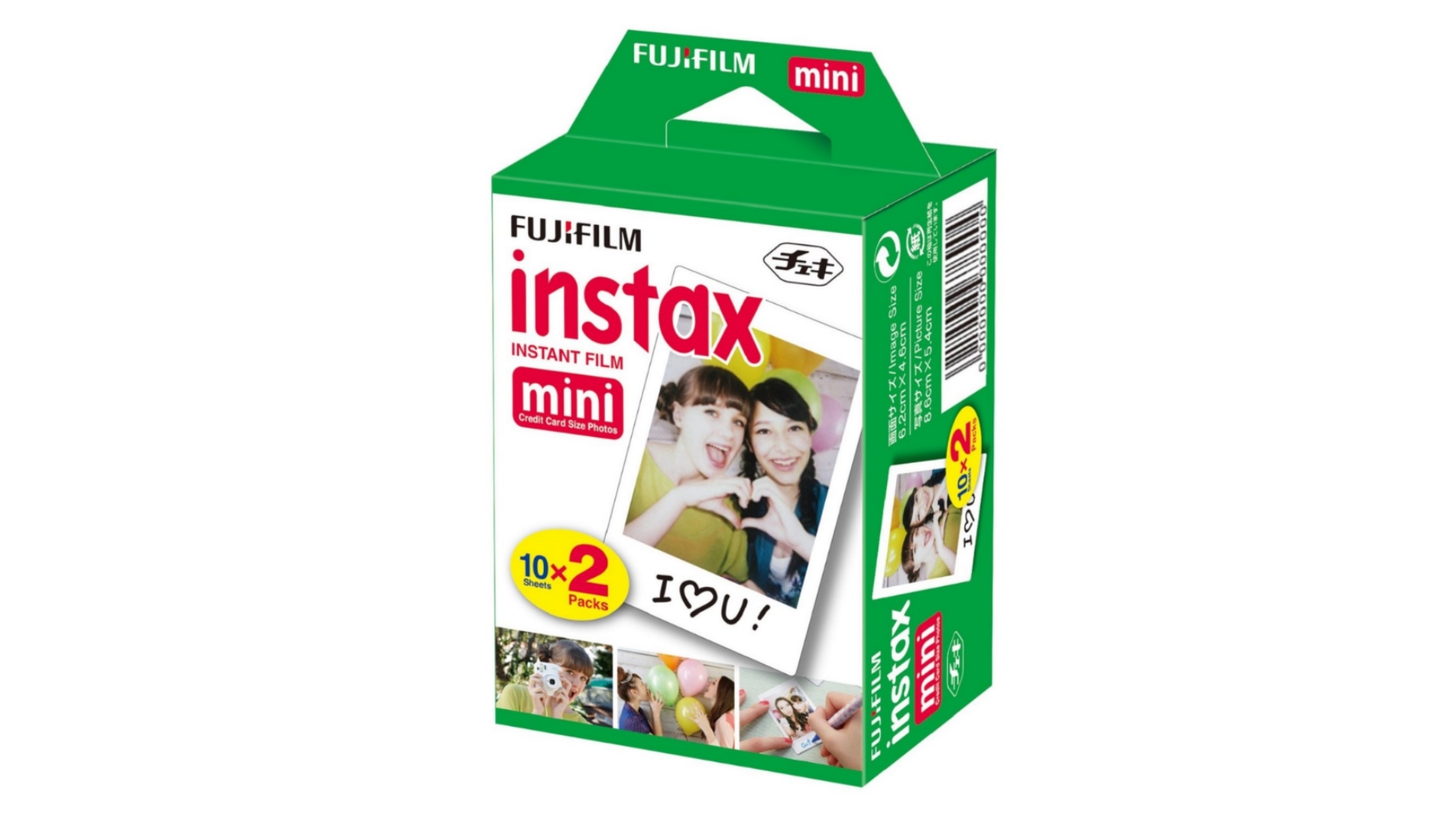
Looking for some extra Fujifilm Instax Mini film packs? We've compared the best deals from multiple retailers in our price comparison charts below. The cheapest packs usually have 10 or 20 Instax Mini film papers to print out your latest photos. Take a look at the options further down the chart and you'll see prices for larger packs too.
These first set of film packs are compatible the Instax Mini cameras on this page. If you're picking up film for one of the Square series (SQ6 and SQ10) you'll need to scroll down a bit more and pick up the Square Film packs instead.
Be sure to take a look at our deals guide for cheap cameras
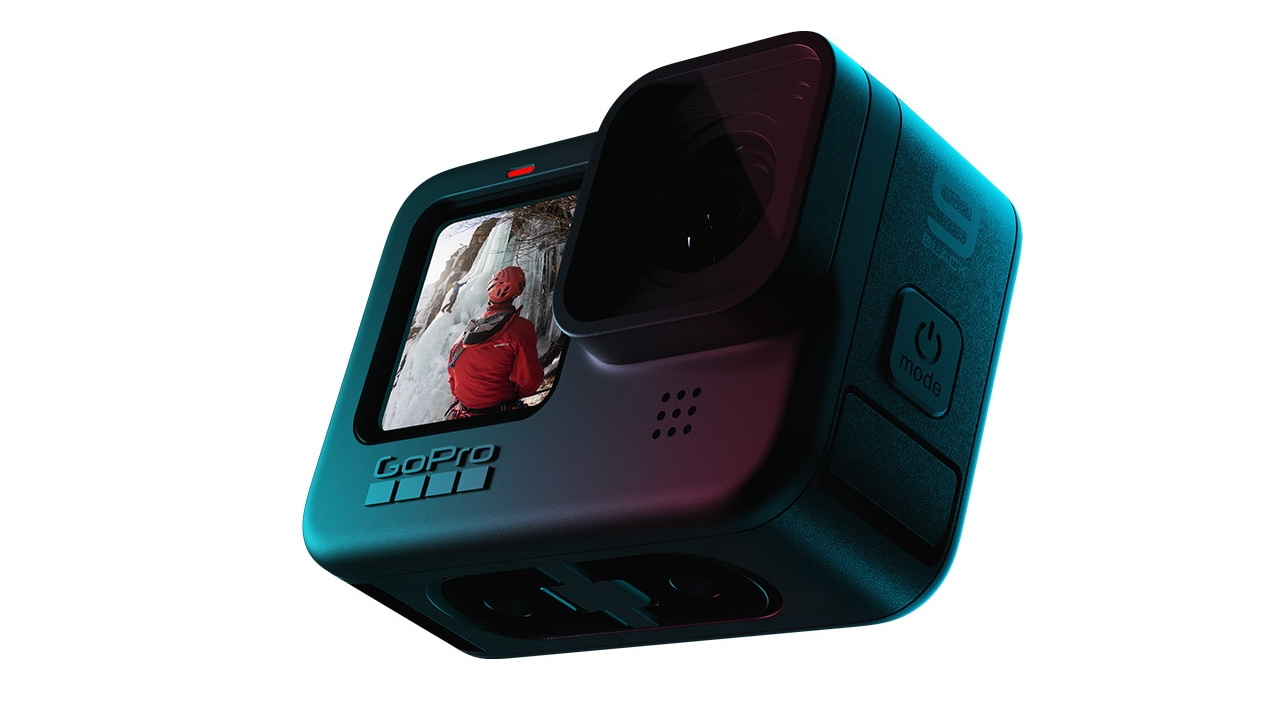
We're bringing you all the best GoPro deals hitting the web today, with big savings on everything from the brand new GoPro Hero 9 Black to the cheapest of starter cameras. That means you'll find the lowest GoPro prices from all the best retailers right here, so you know you're always getting the best discount available.
While you'll find previously pricey models like the GoPro Hero 8 Black are now dropping their costs, you can also pick up some seriously discounted GoPro sales on older models as you get further down the page. GoPro themselves reduced the MSRP/RRP on a number of cameras recently to head off some pretty aggressive competition from rivals.
If you're just after the newest release, however, you're shopping at the right time. Top of our best GoPro deals list is the latest GoPro Hero 9 Black, offering up new 5K footage and a 20MP camera for stills. With a front facing display, boosted software, and extended battery life it's the best GoPro on the market right now, but it's also the most expensive.
We'll run through the spec of each model making it easy for you to compare them all. So whether you're after the smoothest 4K scene shooting, or a reliable budget price 1080p option, we've got you covered.
A brand new GoPro with software and hardware upgrades
FOV: Wide, SuperView, Linear, Linear + Horizon levelling, Narrow | 5K video: up to 30fps | 4K video: up to 60fps | 2.7K video: up to 120fps | 1080p video: up to 240fps | Stills: 20MP | Burst: up to 30fps | Battery: 1720mAh | Wireless: Wi-Fi, bluetooth, GPS | Auto low light: Yes
Extra detail in 5K
Additional front display
Improved battery
No 4K at 120fps
The new GoPro is here, and with it comes a range of new software features, an extended battery life, brand new 5K shooting capabilities, and a front facing display. That's a good list of upgrades that adds more to the value than the Hero 8 Black offered, but you'll find little improvement in 4K shooting here.
That 5K option, however, makes up for the stasis of shooting 4K at 60fps. You'll get better clarity and more vivid details with the new shooting mode, and pair that with HyperSmooth Boost (GoPro's latest and most powerful stabilization tech) and it's possible to achieve some amazing footage with the GoPro Hero 9 Black.
With all that new tech does come a shift in the GoPro price, with the new model launching for £100 / $200 more than the previous version now sits at. However, if you're shopping in the UK you can save that £100 by picking up GoPro's own launch bundle which offers up a year of the GoPro subscription (unlimited cloud storage, savings on accessories, and warranty replacement) with the new camera for far less than the action cam by itself.
(Image credit: GoPro)
2: GoPro Hero 8 deals
Seeing price drops now
FOV: SuperView, Wide, Linear, Narrow | 4K video: up to 60fps | 1080p video: up to 240fps | 720p video: up to 240fps | Stills: 12MP | Burst: up to 30fps | Battery: 1220mAh | Wireless: Wi-Fi, bluetooth, GPS | Auto low light: Yes
Excellent image stabilization
Folding built-in mount
Better mic
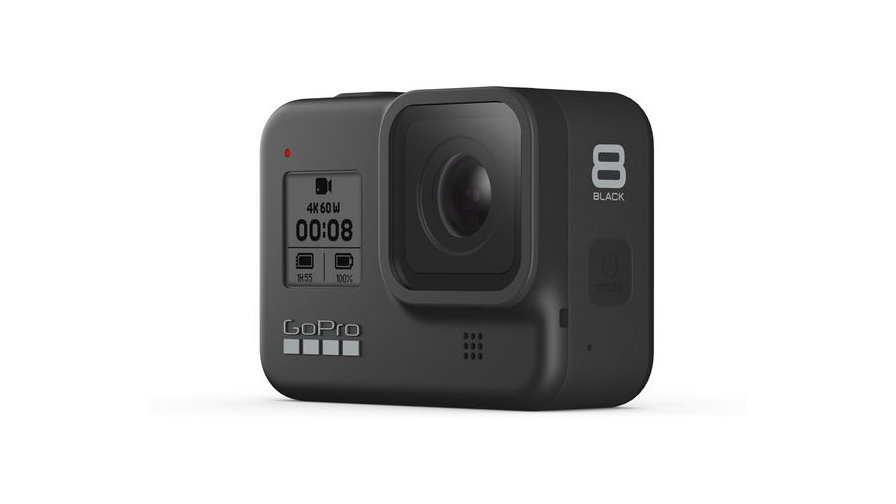
GoPro Hero 8 Black launch price: $399 / £379 / AU$599.
The second newest member of the GoPro family is more about internal improvements over radical redesigns. But make no mistake, the GoPro Hero 8 Black is the best action camera the company has ever made.
Image Stabilization 2.0 combats the most chaotic of scenes you can throw at it and there's a better microphone on the device now too. The water resistance is a solid 10m and the shock resistance rating of the Gorilla Glass lens cover has been doubled - especially handy if you're likely to make a mess of a landing or take a bit of a beating from the great outdoors.
Additional mod attachments will be available soon too. A media mod adds a shotgun mic, extra ports and cold-shoe mounts for extra accessories. The display mod adds a larger rotating display and the light mod attachment adds a 200 lumens bulb which will illuminate scenes within three feet.
(Image credit: GoPro)
3: GoPro Max prices
The best GoPro with a 360 degree camera
FOV: Max SuperView, SuperView, Wide, Linear, Narrow | 5.6k video: up to 30fps | 4K video: up to 60fps | 1080p video: up to 240fps | 720p video: up to 240fps | Stills: 16.6MP | Battery: 1600mAh | Wireless: Wi-Fi, bluetooth, GPS
Film in full 360 modes
Now with a proper display
Cheaper than the older 360 GoPro at launch
GoPro Max launch price: $499 / £479 / AU$799.
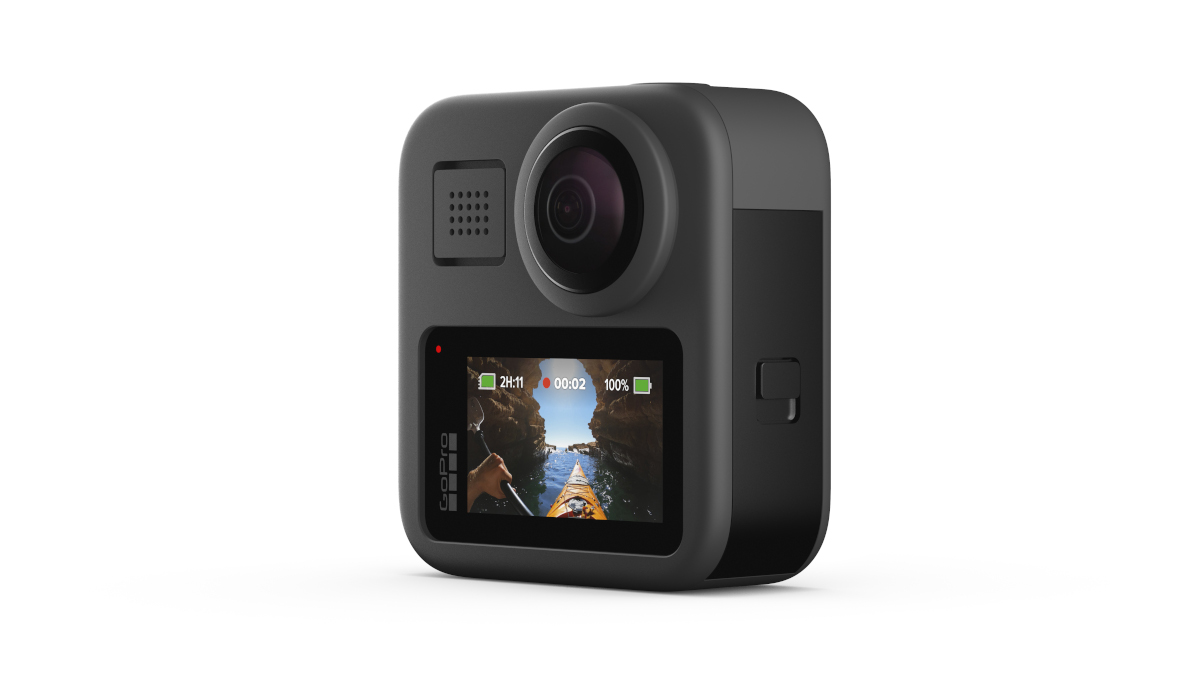
If you want to film your latest adventures in full 360-degree vision then the new GoPro Max is the action camera you've been looking for. Its launch price is much cheaper than the older GoPro Fusion was on day one too.
We're glad to see a proper display screen on the GoPro Max as that was a feature we sorely missed on the older Fusion 360 degree camera. If filming in 360 isn't that high on your priorities, then the GoPro Hero 8 Black is the better camera for you, although the mic quality on the Max is better.
The GoPro Max only requires one memory card now and stitches the footage together in-camera, making editing much simpler and the Max HyperSmooth technology does a much better job at leveling the horizon out - as long as you keep up your end of the deal by not flying over the handlebars and into a tree that is.
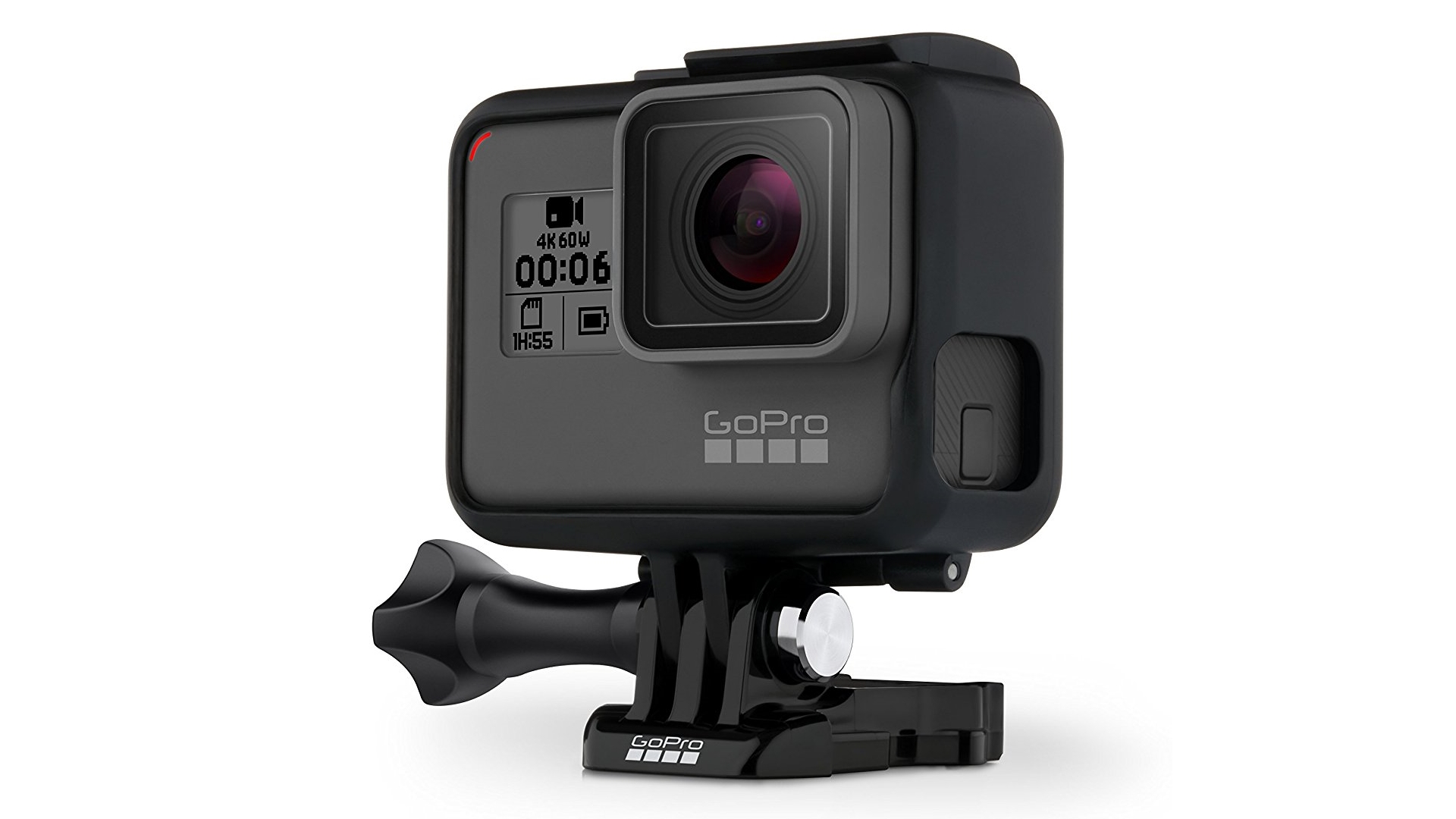
4: GoPro Hero 7 Black prices
A great camera, with falling prices
FOV: Super view, Wide, Medium, Linear | 4K video: up to 60fps | 1080p video: up to 240fps | Stills: 12MP | Burst: up to 30fps | Wireless: Wi-Fi, bluetooth, GPS | Auto low light: Yes
HyperSmooth is a great addition
Live streaming features
Takes better still images too
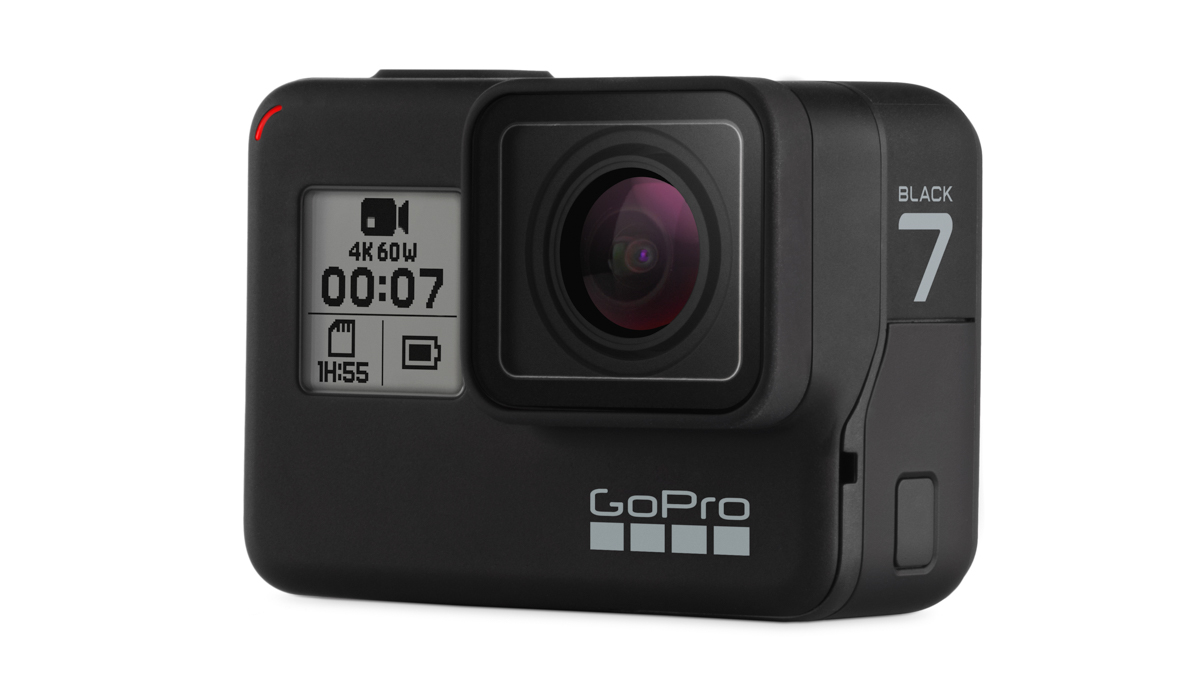
The resolution and frame-rates may be similar to the older 6 series (we were bound to hit a wall sooner or later), but GoPro has vastly improved its enhanced form of image stabilization called HyperSmooth. This new motion smoothing technology can be used in numerous shooting modes to record the smoothest possible video running at 60fps. The voice-activated commands are more responsive than older models too. SuperPhoto tech performs automatic improvements on lighting colour and noise-reduction across multiple frames. ProTune options allow you to take the safety wheels off and tweak setting to your own particular style too.
If you just can't wait to show off your days fun until you get home, you'll be delighted to hear you can now live stream with the GoPro Hero7 Black via the app on your phone, which has also been simplified to get you filming quicker than ever. Finally, unlike previous models in the GoPro Hero Black range, the camera is actually black this time, making mistitled deals much easier to spot.
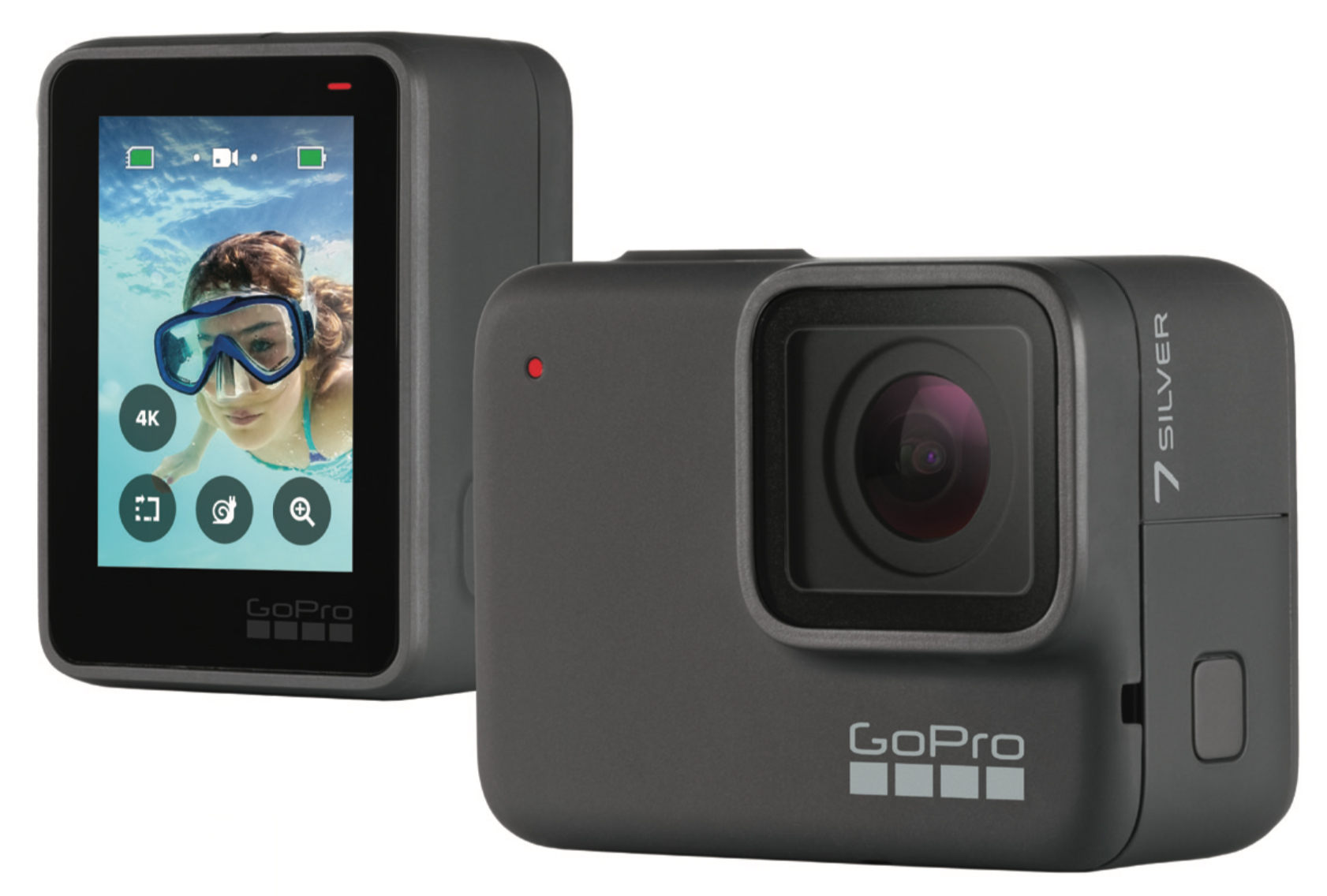
5: GoPro Hero 7 Silver prices
Cheaper but lacking some of the latest features
FOV: Wide | 4K video: up to 30fps | 1080p video: up to 60fps | Stills: 10MP | Burst: up to 15fps | Wireless: Wi-Fi, bluetooth, GPS | Auto low light: No
Cheaper than the Hero7 Black
4K shooting impresses
Decent stills capabilities
So you've seen that the GoPro Hero7 Silver prices are a decent whack cheaper than the Black edition. But what's the difference between the Hero7 Black and the Hero 7 Silver? The Silver still shoots in 4K but at 30fps instead of 60fps so the picture isn't as smooth, but still impressive. The 1080p fps capabilities are lower too. You don't get the new HyperSmooth, SuperSmooth or Live Streaming features either. For the price though, this is still an extremely capable, durable and waterproof action camera. There are cheaper models available on this page though if some of the features seem like overkill or it's still a bit pricey.
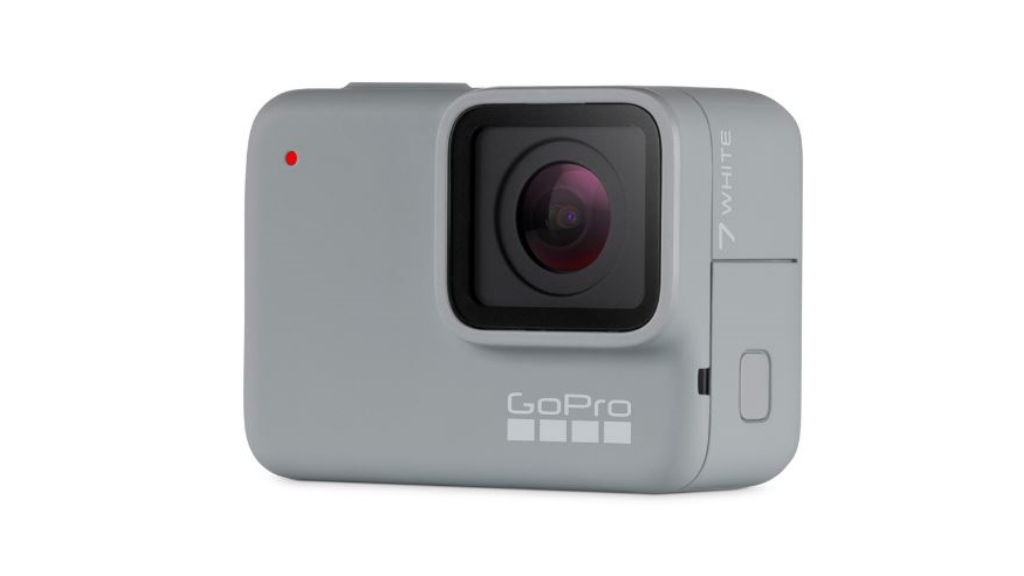
6: GoPro Hero 7 White prices
No 4K, but very cheap for a GoPro with a touchscreen
FOV: Wide | 4K video: No | 1080p video: up to 60fps | Stills: 10MP | Burst: up to 15fps | Wireless: Wi-Fi, bluetooth | Auto low light: No
Look how cheap!
Records 1080p at 60fps
Great build quality
That's seriously cheap for a new GoPro camera. The GoPro Hero7 White prices indicate this is the budget entry in the latest GoPro range, priced close to the original prices of the unnumbered Hero model released earlier in 2018 or the Hero Session line. As you can tell by the specs mentioned above compared to the other Hero7 cameras, this has a more entry-level feel with the main omission to note being the lack of 4K video shooting. You do get a touchscreen though. If you'd be happier with 4K shooting instead of a touchscreen though you might be able to get a similar price via one of our highlighted GoPro Hero5 Session deals further down this page.
7: GoPro Hero 6 Black prices
Still worth a look if the price is right
FOV: Super view, Wide, Medium, Narrow | 4K video: up to 60fps | 1080p video: up to 240fps | Stills: 12MP | Burst: up to 30fps | Wireless: Wi-Fi, Bluetooth | Auto low light: Yes
Captures 4K video at 60fps
Improved image stabilization
Water-resistant without housing
This is still an excellent GoPro camera with 4K recording at a super smooth 60 fps (frame per second). Image stabilization is super important given the active lifestyles most GoPros record, so it's great to see this model improve even further on older ones. Even the 1080p recording has been improved with a boost to 240fps - excellent for maximizing those slow-motion shots! We expect the price to drop on this one over time with the new Hero7 Black now on the scene. If the prices are still close though, you may as well opt for the new one.
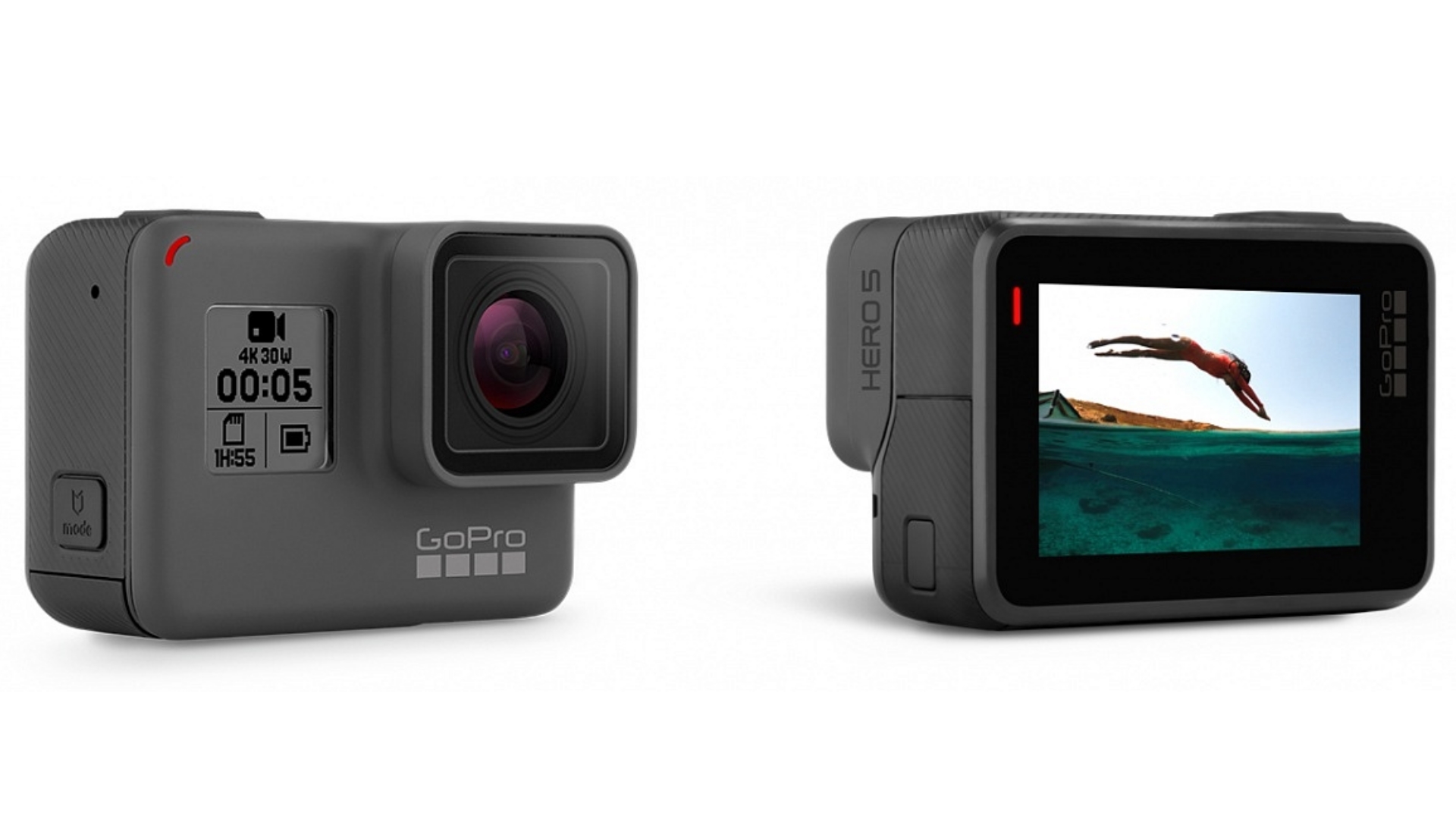
8: GoPro Hero 5 Black prices
Decent 4K shooting (albeit at 30fps)
FOV: Super view, Wide, Medium, Narrow | 4K video: up to 30fps | 1080p video: up to 120fps | WVGA video: up to 240fps | Stills: 12MP | Burst: up to 30fps | Wireless: Wi-Fi, Bluetooth | Auto low light: Yes
Captures 4K video
Touchscreen for easy controls
Water-resistant without housing
The Hero5 Black is the GoPro we wanted for years. It was the first GoPro to have a waterproof design out-of-the-box, making it more resilient and the camera has enough to make it a convincing update on the older models. The picture quality is better, it has video stabilization and the touchscreen makes it easier to use than any other GoPro before it. Sale items aside, it's often cheaper than the older GoPro Hero 4 Black now too.
9: GoPro Hero deals (2018 model)
Great value for a GoPro with a touchscreen
FOV: Wide, Medium, Narrow | 1080p video: up to 60fps | Stills: 10MP | Burst: up to 10fps | Wireless: Wi-Fi, Bluetooth | Auto low light: Yes
Cheap for a GoPro
Has a touchscreen
Great HD footage
Update: We'd imagine this model is going to be phased out soon despite still being quite new. This is because it's pretty much identical to the ever newer GoPro Hero7 White in terms of capabilities. Actually, it's looking like the Hero7 White is currently cheaper! Always worth keeping an eye on this one though as clearance sales should mean potential discounts.
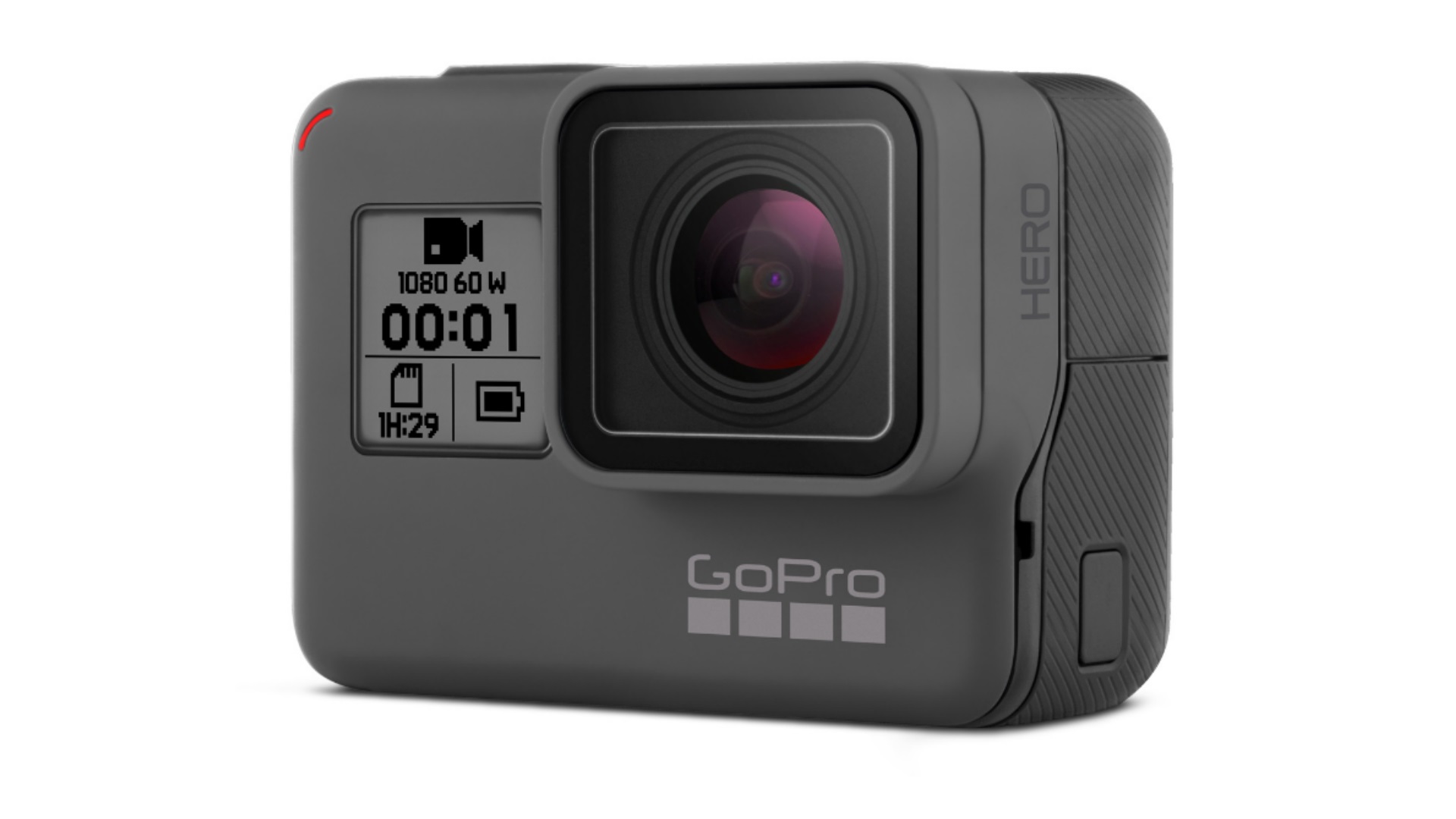
The simply-named GoPro Hero is cheaper than most other Hero models. You're not getting 4K capture options, but you are getting a display and a touchscreen, features many of you might miss from the other budget GoPro option, the GoPro Hero Session. There was an older GoPro Hero released years ago and if you want to avoid getting that one by mistake, avoid models with a big, round, red light on the front as they can pop up in search results. They're not much cheaper, sometimes even more expensive and aren't as good as this 2018 version.
10: GoPro Hero 5 Session deals
The small, but still 4K-capable GoPro
FOV: Super view, Wide, Medium, Narrow | 4K video: up to 30fps | 1080p video: up to 90fps | Stills: 10MP | Burst: up to 30fps | Wireless: Wi-Fi, Bluetooth | Auto low light: Yes
Small, unobtrusive design
Captures stabilized 4K video
Several new field of view modes
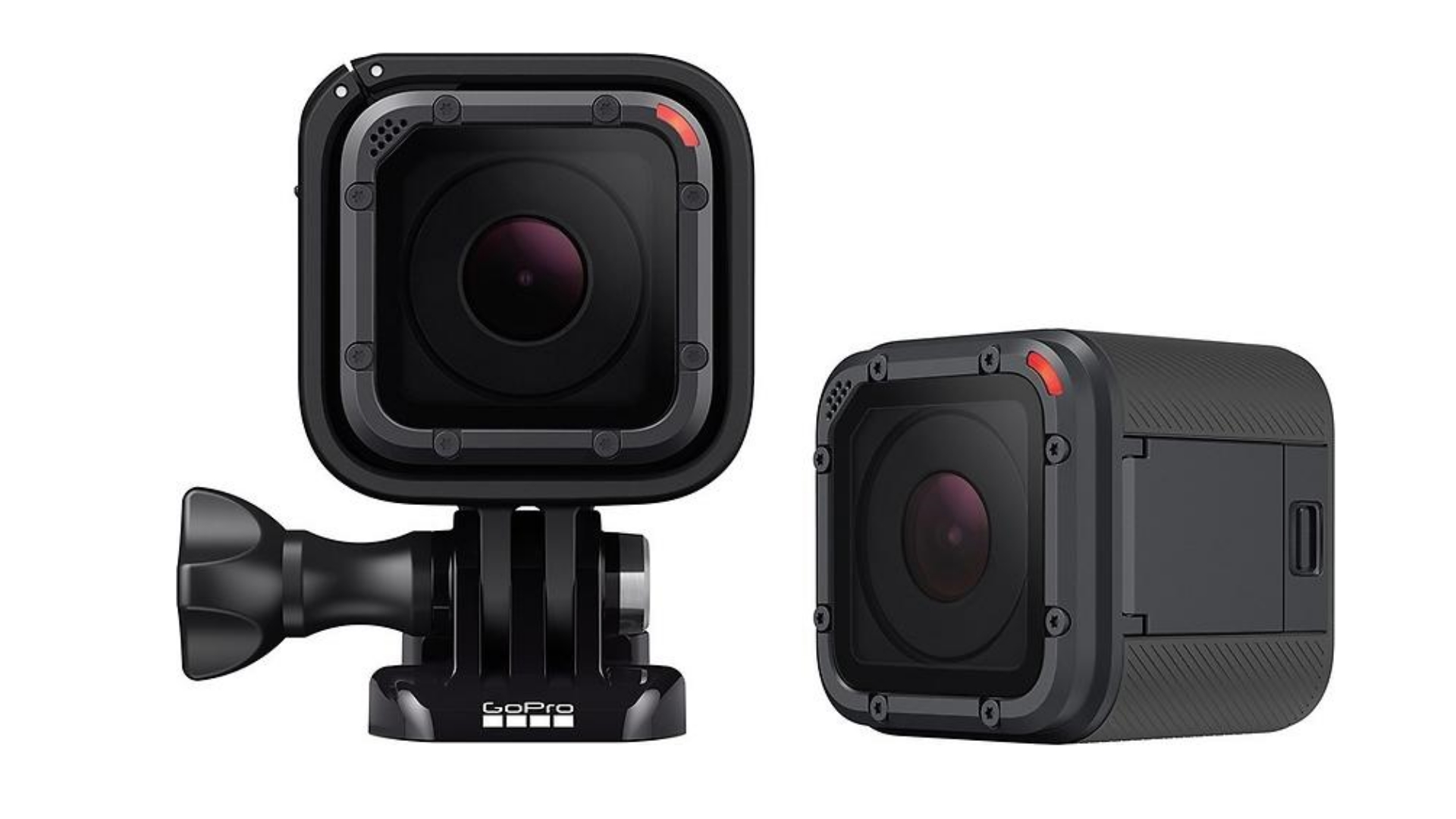
The GoPro Hero5 Session is a capable 4K action camera with a minimalist design that pushes the specs to the max within its cube-shaped confines. The Hero5 Session is also a major specs boost for GoPro's tiniest action camera. It now shoots stabilized 4K video and has a variety of new field of view modes. It's more expensive than its predecessor, but it's well worth the upgrade.
11: GoPro Hero Session deals
GoPro, simplified
FOV: Wide, Medium | 1080p video: up to 60fps | Stills: 8MP | Burst: up to 10fps | Wireless: Wi-Fi, Bluetooth | Auto low light: Yes
Small, unobtrusive design
Tough and water resistant
Good battery
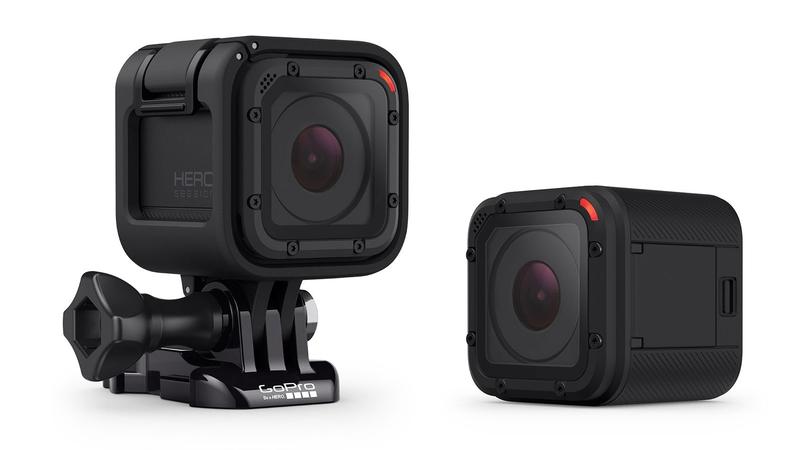
The model, simply called the GoPro Hero Session, has replaced the very similar GoPro Hero4 Session. They're the same price and considerably cheaper than the most recent GoPro Hero5 Session. Actually, looking around at the various GoPro models, this looks like the cheapest of the lot seeing as the older GoPro Hero is proving hard to get a hold of nowadays. So if you want an entry level GoPro, this could be the one to go for.
12: GoPro Karma Drone prices
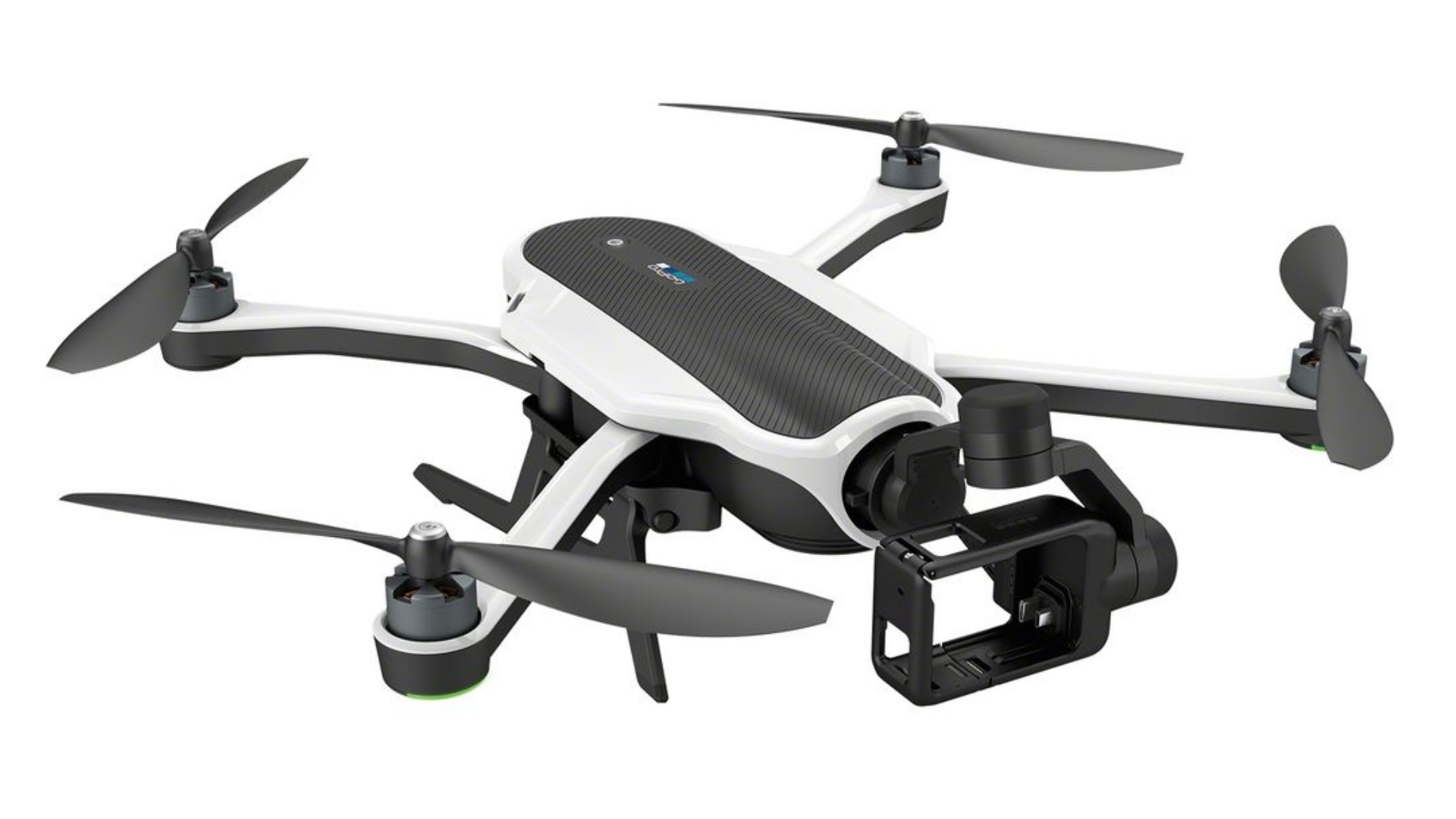
Looking to take to the skies with your GoPro camera? There are certainly cheaper camera drones available, but this is one of the best premium setups out there. You can buy the drone on its own (often listed as 'GoPro Karma Light' or 'GoPro Karma with harness'), or get it bundled with the excellent GoPro Hero5 Black camera (some retailers may start to replace these bundles with the more modern Hero6 or Hero7 models instead).
We've also included price comparison charts for both below, but you may be able to save a bit of cash by buying the drone and camera separately (check out the various GoPro Hero Black deals near the top of this page). You'll find the best GoPro Karma prices below though.
from TechRadar - All the latest technology news https://ift.tt/2HTFuRI
via IFTTT
It might feel like a strange time to buy a new camera, given that the pandemic has torched our travel plans and kept many of us locked up at home. But that's also precisely why it's a good time to invest in a new photographic sidekick – you don't need spectacular scenery to take great snaps, and Black Friday 2020 is almost here to bring some stellar discounts on the tools that can reinvigorate your photographic life.
Of course, it's one thing knowing that you want a new camera or lens, and another figuring out exactly which model to go for and how to find the best price. That's where we can help.
Our in-depth guide is here to, firstly, help you decide which camera is right for you (or the person you're buying for), and then show you how to find the best Black Friday camera deals. While Black Friday itself doesn't start until November 27, we're already seeing some excellent discounts appear in the run-up to the big day.
Let's step back and tackle the first part. How do you decide which camera to buy? That's a broad question that depends on many factors – including your budget, level of experience and preferred subject matter – but we'll steer you in the right direction based on our in-depth testing all of the major camera releases this year. And, just as importantly, our experience with some of the great camera performers of yesteryear, which often offer the best value.
Ready to make a shortlist and hunt down the best Black Friday camera deals? Let's dive in.
With the best phone cameras now offering so much, why buy a standalone camera in the first place? If you've come to this article, you probably already have a good idea already, but in general it comes down to a combination of image quality and creative control.
Smartphones have improved hugely when it comes to the former, but computational photography still can't fully compete with the large sensors and lenses of traditional cameras. Phones are also finely tuned for a point-and-shoot experience, which they do very well – but to really understand the nuts-and-bolts of photography and flex your creative muscle, a camera is still a far superior tool.
(Image credit: Future)
The knock-on effect of the smartphone's photographic rise has also been an explosion in the variety of cameras you can buy. Instant cameras have had a big revival, while video is now a huge focus thanks to the evolution of drones, 360 cameras, vlogging cameras, and action cameras.
In this article, we'll start by focusing on the three main forms of photography-lead camera – DSLRs, mirrorless cameras and compact cameras – but will also include suggestions from most of those popular sub-genres too, if they represent a good option for your preferred style of snapping or video shooting.
How to choose the right type of camera
1. Interchangeable or fixed lens?
Before choosing whether or not you want a DSLR, mirrorless camera or compact camera, there is a more fundamental question to answer – do you want a camera with interchangeable lenses or a fixed lens camera?
The former are hugely versatile and offer the best image quality for most types of photography, because you can choose a specific lens for the job. They also mean the camera can grow with you. That said, it's important to work out whether you'll genuinely embrace the added cost and complexity of lenses. Also, if you're keen to explore one particular form of snapping – street photography, for example – a specialist fixed lens camera may suit you better.
(Image credit: Future)
2. DSLR vs mirrorless
Looking to go for the versatile route? There are two main types of interchangeable lens camera: DSLRs and mirrorless cameras. You can read more about how these compare in our Mirrorless vs DSLR cameras article, but their main difference is their viewfinder. While DSLRs have optical viewfinders (which receive their light from the lens via a mirror), mirrorless cameras have an electronic viewfinder (EVF) which uses an entirely digital process.
So what are the practical differences, then? Generally speaking, DSLRs have longer battery lives (because their viewfinders aren't digital) and the widest range lenses, simply because they're a legacy technology that's been around longer than mirrorless. Some people also simply prefer the handling of DSLRs, which are generally larger than mirrorless cameras.
We have reached the point with mirrorless tech, though, where they are now the best choice for most people. The early disadvantages (poor battery lives, limited native lens ranges, autofocus) have all been ironed out and they now offer the most modern shooting experience available in a standalone camera. If you (or the person you're buying a camera for) is stepping up from a smartphone, you'll likely feel much more at home with the all-digital shooting experience of a mirrorless camera.
(Image credit: Future)
3. Compact and bridge cameras
Not too bothered about having the option of changing lenses? Then it's also worth considering bridge cameras and compact cameras. Bridge cameras, as the name suggests, offer a bridge between DSLRs and compacts. They're all-in-one fixed lens cameras that come with long zoom ranges, effectively giving you a bag of lenses in one camera. The downside is that they generally have small sensors and are quite bulky.
The best compact cameras, of course, offer a smaller fixed lens solution. They've largely been decimated by smartphones, which now at least equal or better most compact cameras with a 1/2.3-inch sensor or smaller.
Still, if you're mainly looking to do street photography or travel photography, and don't need a long zoom, we'd highly recommend looking at premium compact cameras with Four Thirds or APS-C sensors (scroll down for some examples). These are able to combine excellent image quality, creative control and pocketable form factors, making them an accessible way to boost your snapping skills.
Okay, so you hopefully now have a good idea of which type of camera is for you. Now it's time to cover the key specs to look out for, then highlight our 'ones to watch' in each category.
The camera specs to look out for
Camera spec sheets can be pretty hard to decipher, so we've picked out a few of the key features that are worth keeping an eye out for during your Black Friday camera shopping.
1. Sensor size
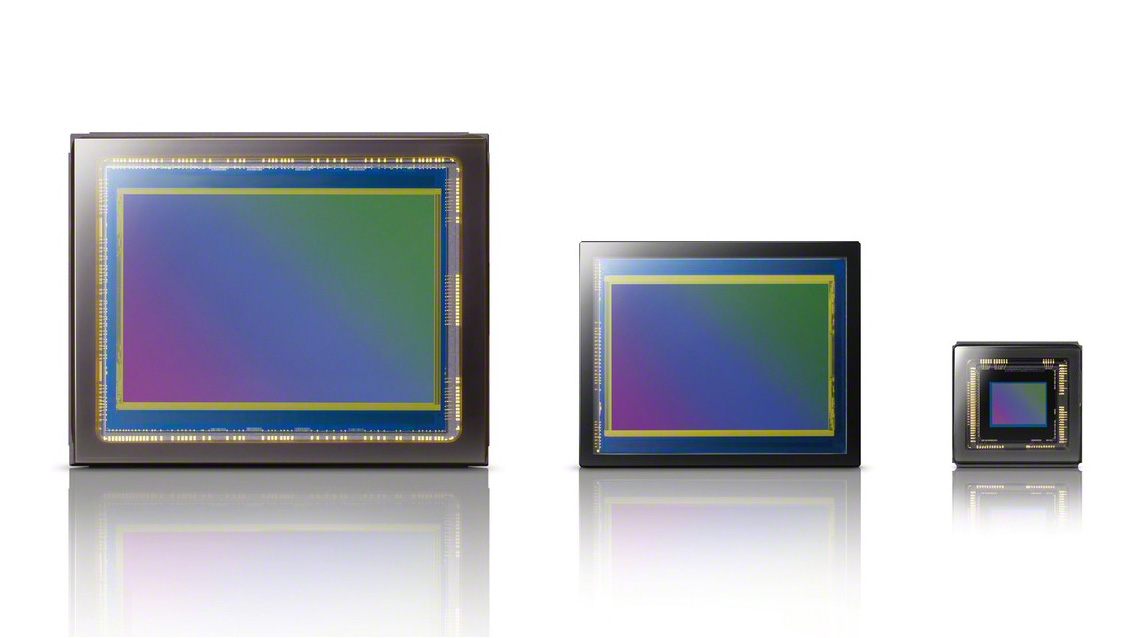
A far more important factor than a camera's number of megapixels, sensor size is the most crucial decision when buying a camera. For compact cameras, we'd recommend looking at models with 1-inch sensors or higher.
For DSLRs and mirrorless cameras, you really have three sensor size choices. In ascending order of size, these are Four Thirds, APS-C and full-frame.
You might assume that full-frame is the 'best' because it's the largest of the three, and therefore has better light-gathering powers. But the downside is larger, pricier lenses and less widely available features like high burst shooting and in-body image stabilization. Beginners are better off starting with a Micro Four Thirds or APS-C camera, as these will be smaller, more affordable and more user-friendly.
(Image credit: Future)
2. Viewfinder or no viewfinder?
The most affordable mirrorless cameras tend to lack a viewfinder (the eyepiece that you look through to compose a shot). In these case, you always compose your shot using the rear screen.
In some ways, this makes them more approachable for anyone coming from a smartphone, as you take photos in a very similar way. But if you're looking to pursue photography as a hobby and grow your skills, we'd highly recommend buying a camera with a viewfinder – they're crucial in bright conditions and are very helpful for refining your photographic eye.
A DSLR is the cheapest way to get a camera with a viewfinder, but the electronic viewfinders (EVFs) on mirrorless cameras show in real-time how tweaking your settings will affect the final photo. For beginners, this is the more intuitive approach and EVF-equipped mirrorless cameras are now more affordable than ever.
(Image credit: Sony)
3. Autofocus skills
A camera's autofocus (AF) system allows it to automatically adjust the lens to find focus in a photo, and there are two main types: contrast-detection AF and phase-detection AF.
The former is an older system that's slower than phase-detection, but also more accurate when it comes to still subjects. The newer phase-detection is particularly skillful when it comes to focusing on moving subjects, but is less capable in low light.
So what should you look for? Because there are benefits to both, more recent cameras have 'hybrid AF' systems that use both technologies. For beginners, we'd recommend looking for cameras that have 'hybrid AF', rather than simply having contrast-based autofocus, as it's simply more versatile. For the very best autofocus, find a camera that has Canon's Dual Pixel CMOS AF or Sony's Real-time tracking AF.
(Image credit: Future)
4. Video specs
Video has become an increasingly important feature on the latest cameras, with many now just as capable with moving images as they are with stills. But it's not an essential feature if you're mainly a photographer – in fact, if you can't see yourself shooting much video, there are great savings to be made on older cameras that are incredibly capable stills shooters, but simply lack features like 4K video.
If you do want a camera that shoots video, though, don't just look at its maximum resolution – not all 4K cameras are equal. For example, some can only shoot in 4K at low frame-rates like 15fps, which is essentially unusable. Make sure the camera you're looking at can at least shoot in your desired video mode at 24/25fps. Also, check the specs to make sure that there's no major 'crop' (where the camera chops off the outer parts of the image in order to process the video) or inferior autofocus system when it shoots in 4K.
The Black Friday camera deals to look out for
The DSLRs to watch
(Image credit: Canon)
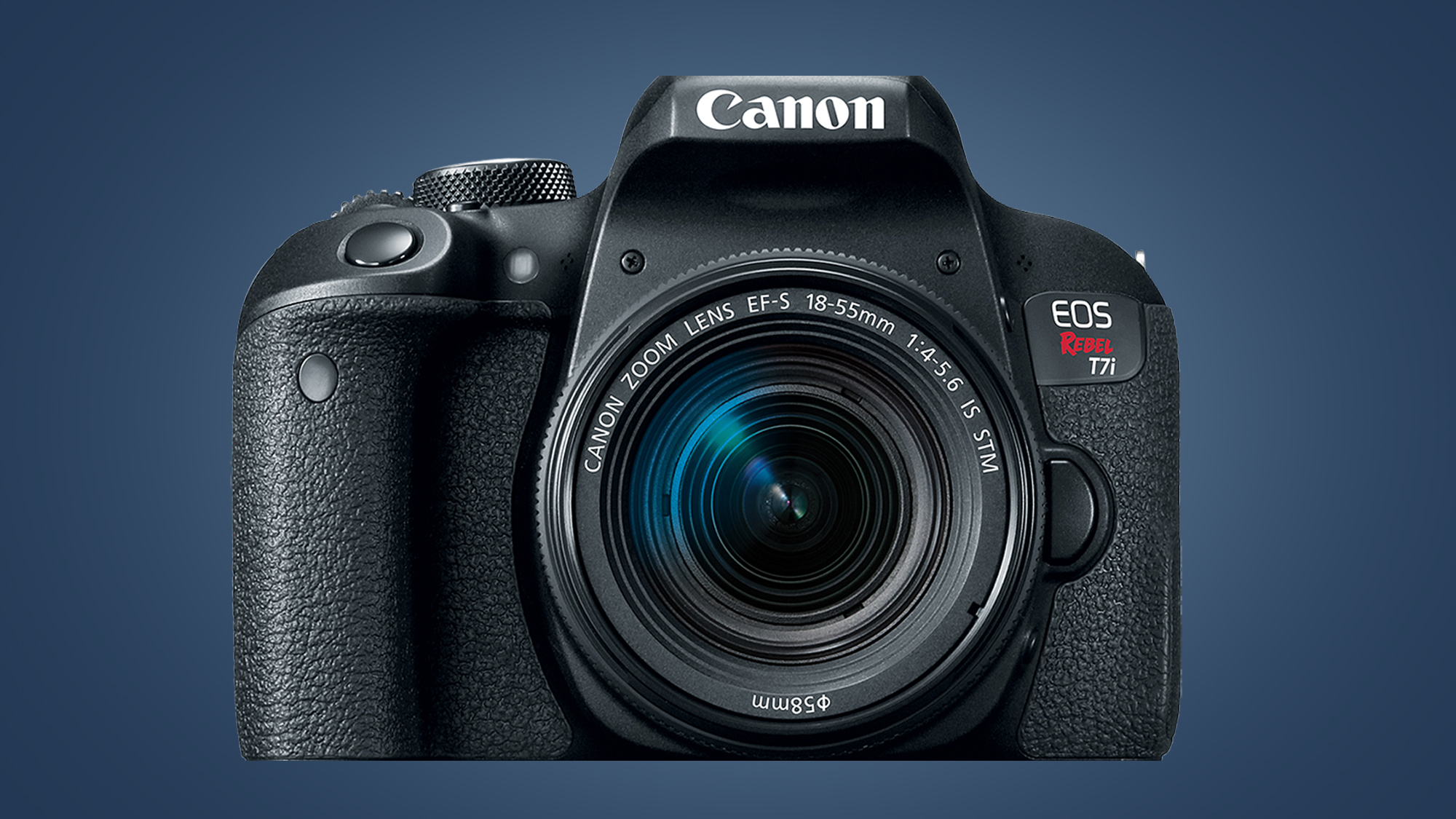
Canon EOS Rebel T7i / EOS 800D
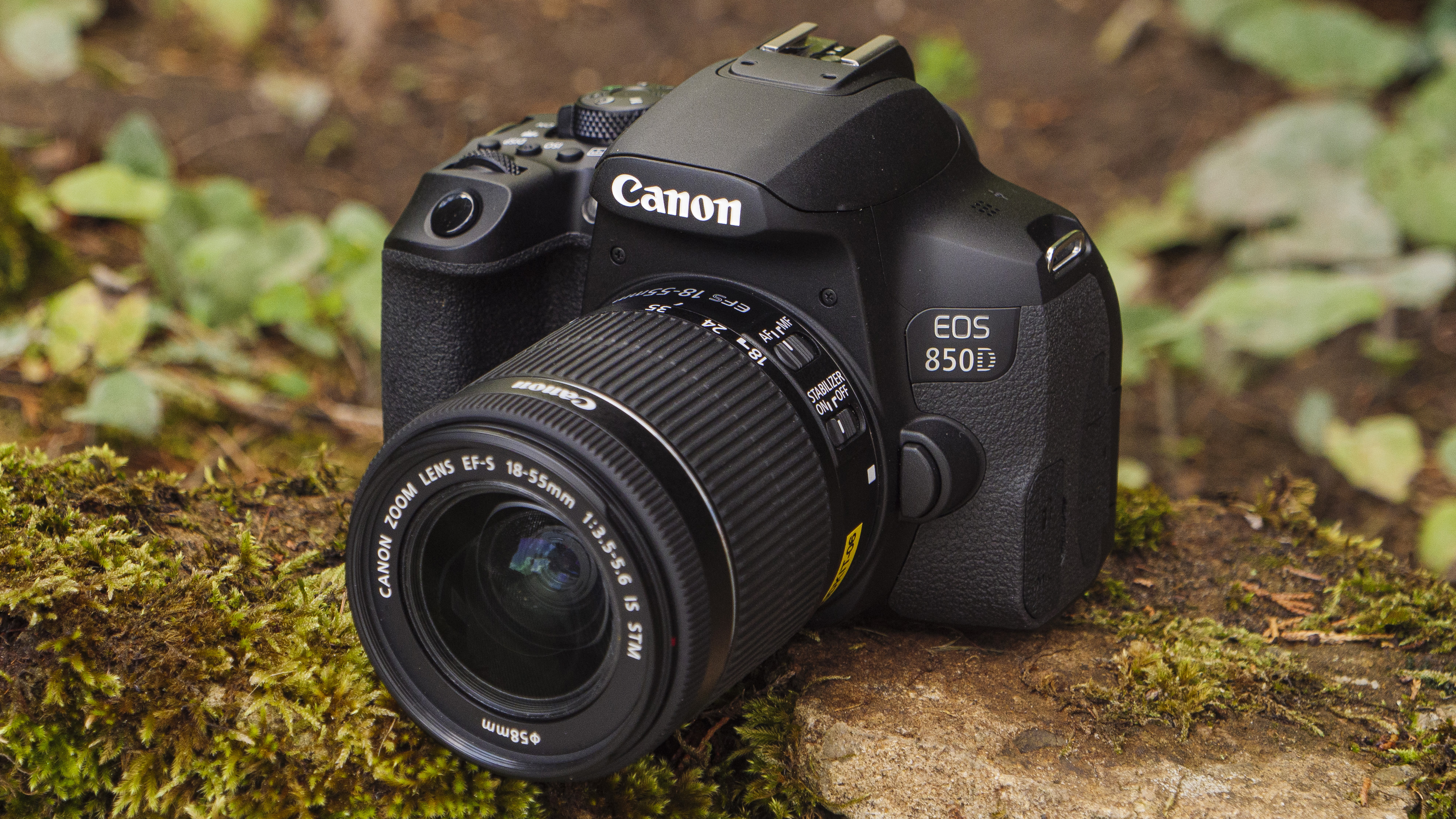
This beginner-friendly DSLR was recently succeeded by the Canon EOS Rebel T8i / EOS 850D, but the new model doesn't offer much of an upgrade. While it's difficult to find right now, look out for retailers clearing stock of this now discontinued model.
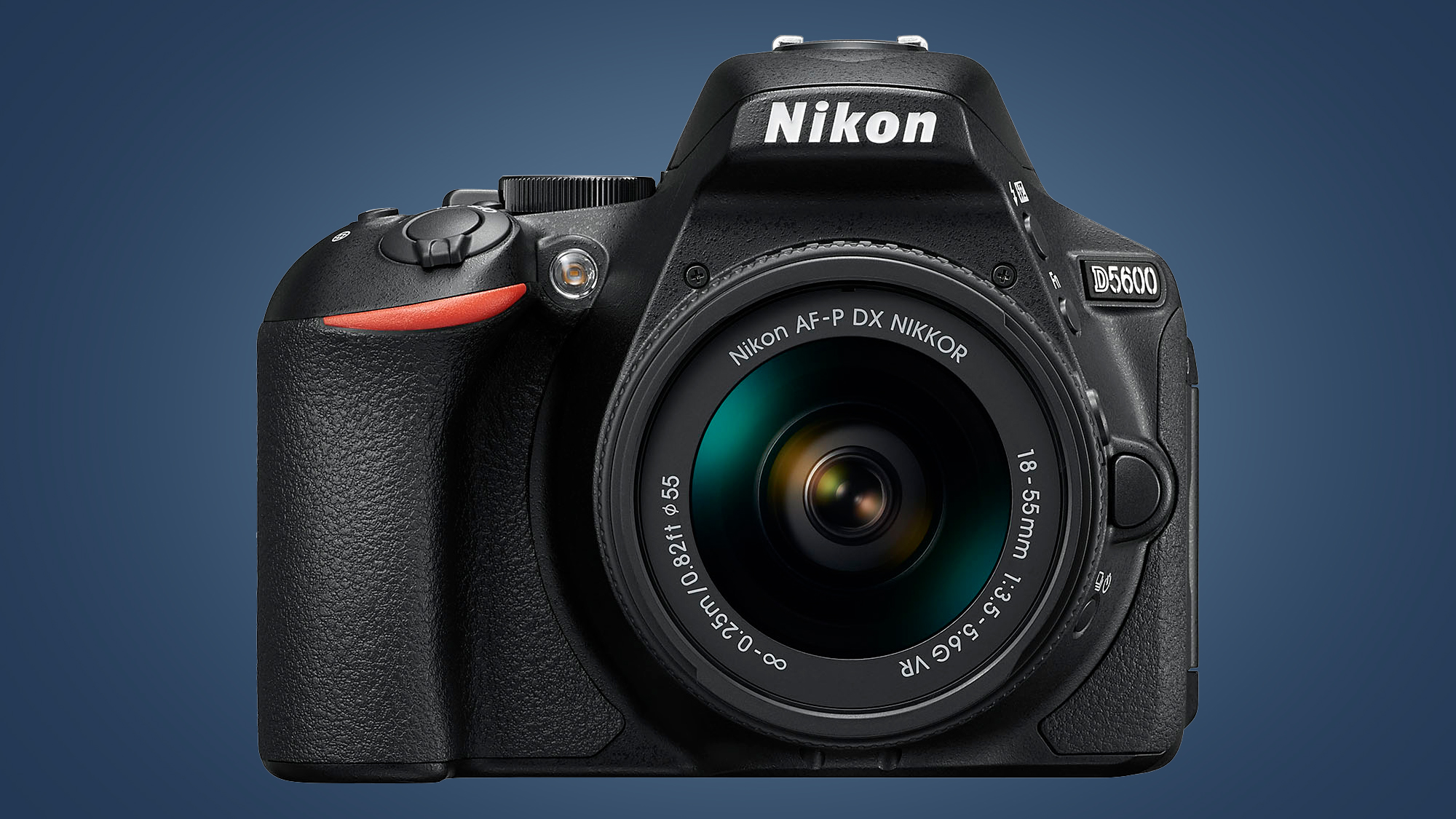
Some of the best value DSLRs around are older mid-range models that have dropped to entry-level prices. The D5600 is one great example – it's small, light, has a vari-angle screen and takes fantastic photos. It may be three years old, but it'd make a great first camera for someone who prefers DSLRs to mirrorless cameras.
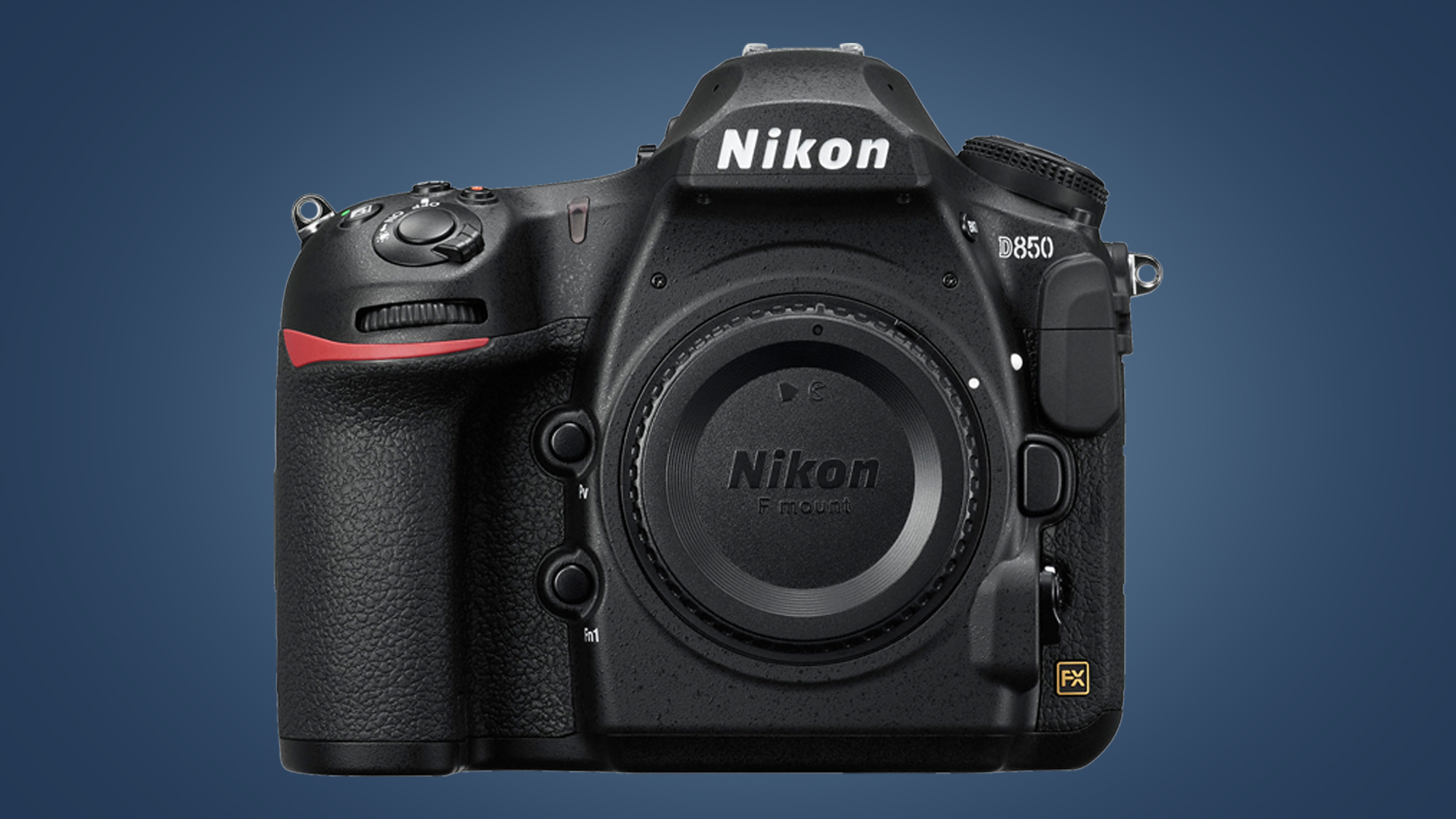
Looking to snap up a pro DSLR bargain during Black Friday? The powerful D850 has already shown that it's a prime option, by recently dropping to its lowest ever price. We're not sure if it's likely to drop any further than that, but it's certainly one we'll be keeping an eye on. The 45.7MP DSLR is still a brilliant all-rounder that can handle pretty much type of photography you throw at it. To top it all off, it has a ludicrous 1,840-shot battery life.
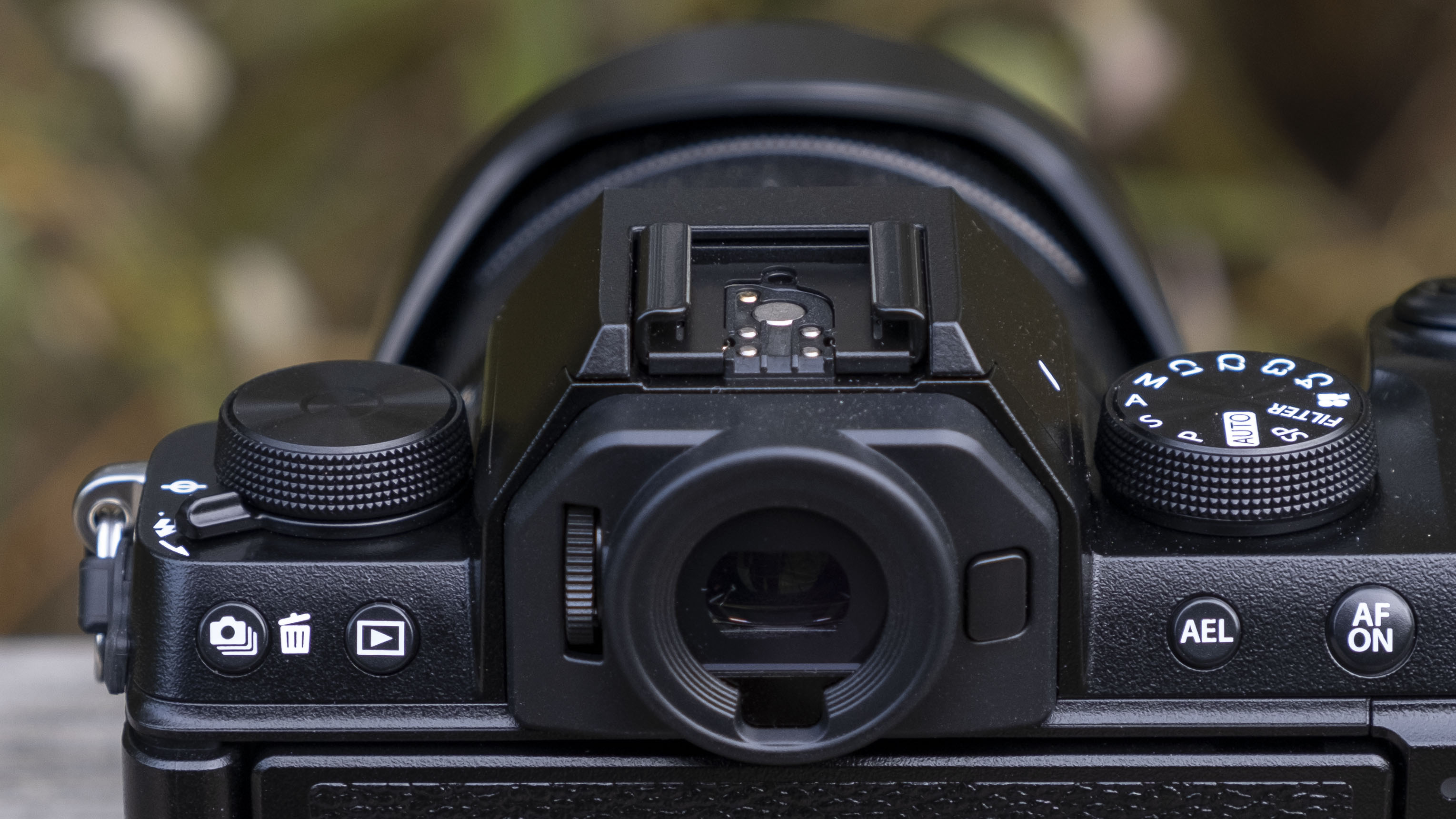
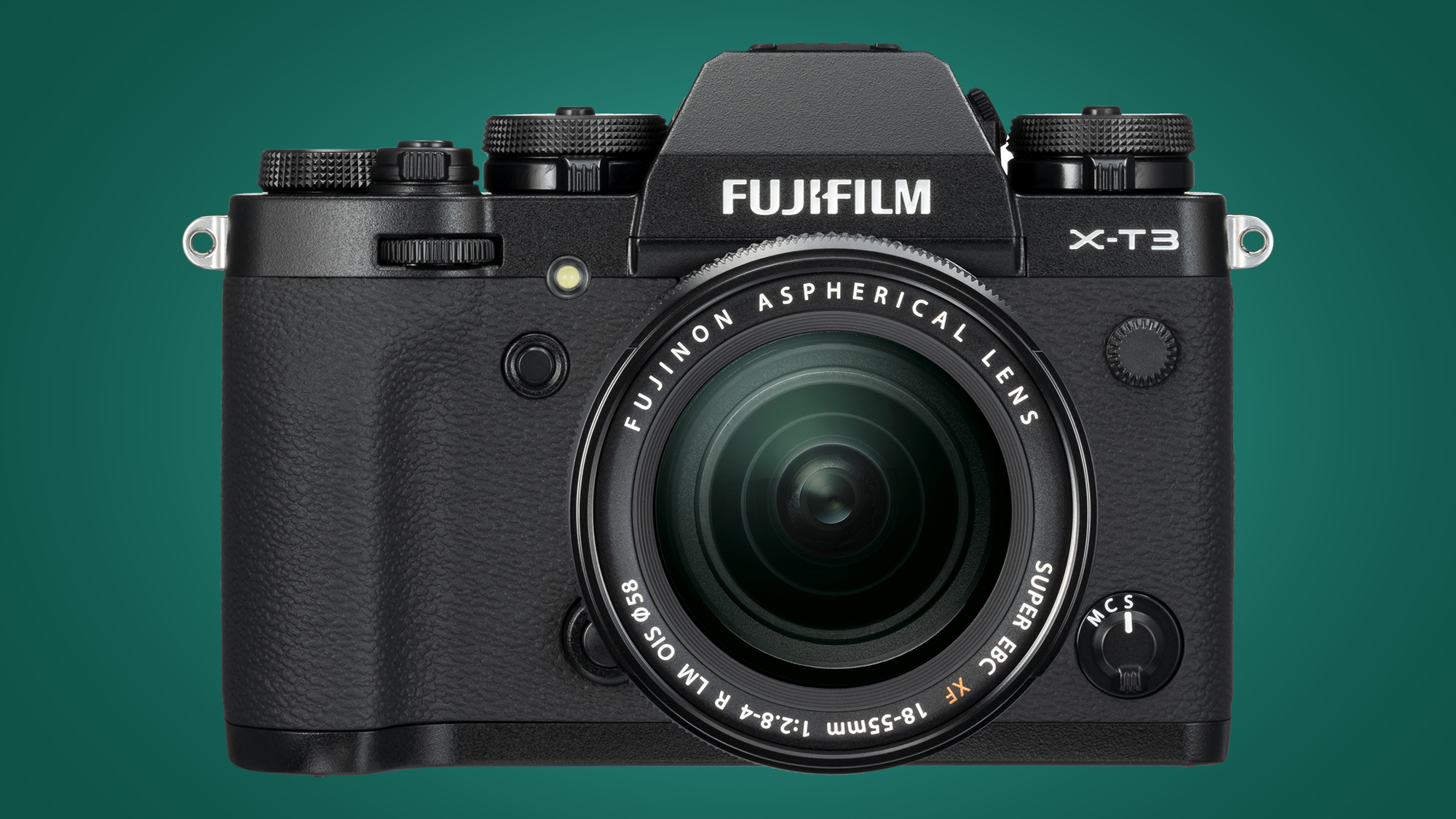
Now over two years old, this excellent mirrorless all-rounder is still a current model, but has since been succeeded by the X-T4. If you don't need the latter's in-body stabilization and video skills, though, then the X-T3 remains a very fine option for anyone looking for their first 'proper' camera or a smaller alternative to a DSLR. It recently received the X-T4's autofocus skills via a firmware update, too.
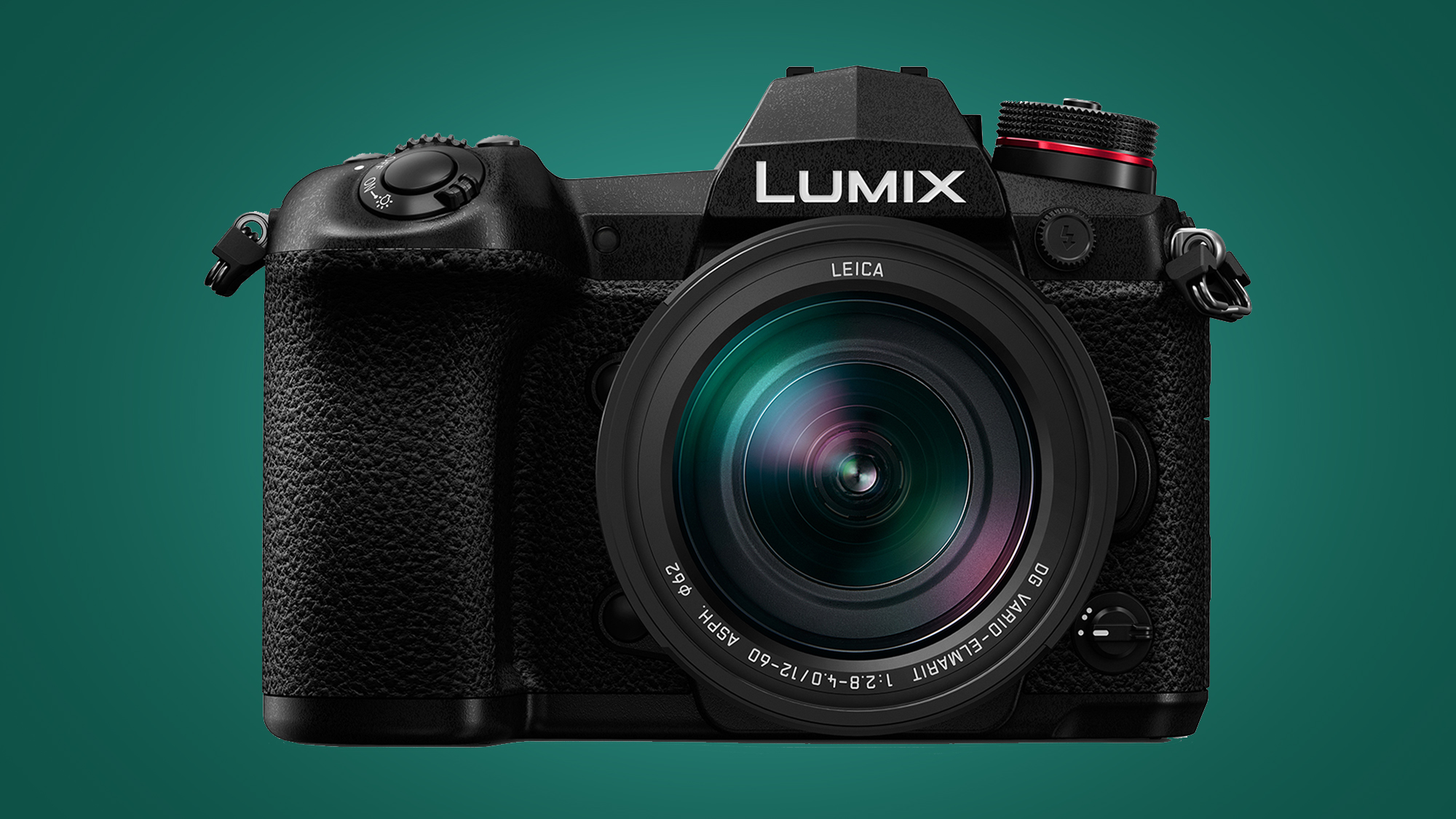
Ahead of its time when it arrived in 2018, this 20.4MP Micro Four Thirds camera has dropped to some incredibly low prices in the last year considering its talents – and we're expecting it to do the same during the Black Friday shopping season. It has in-body image stabilization, a flip-out screen and can shoot full-resolution JPEGs at 20fps with continuous AF. In short, pretty much everything you need from a hybrid all-rounder.
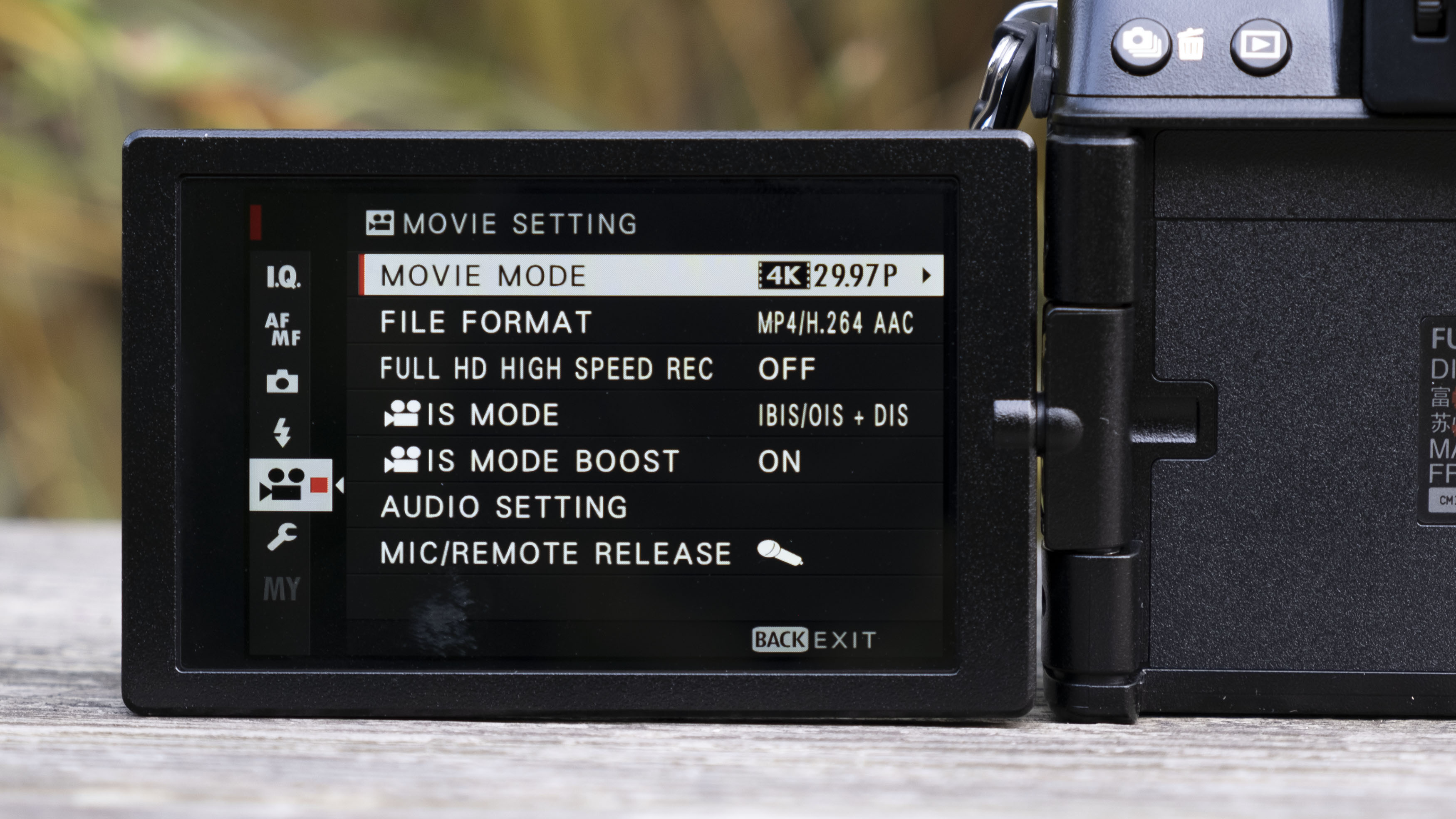
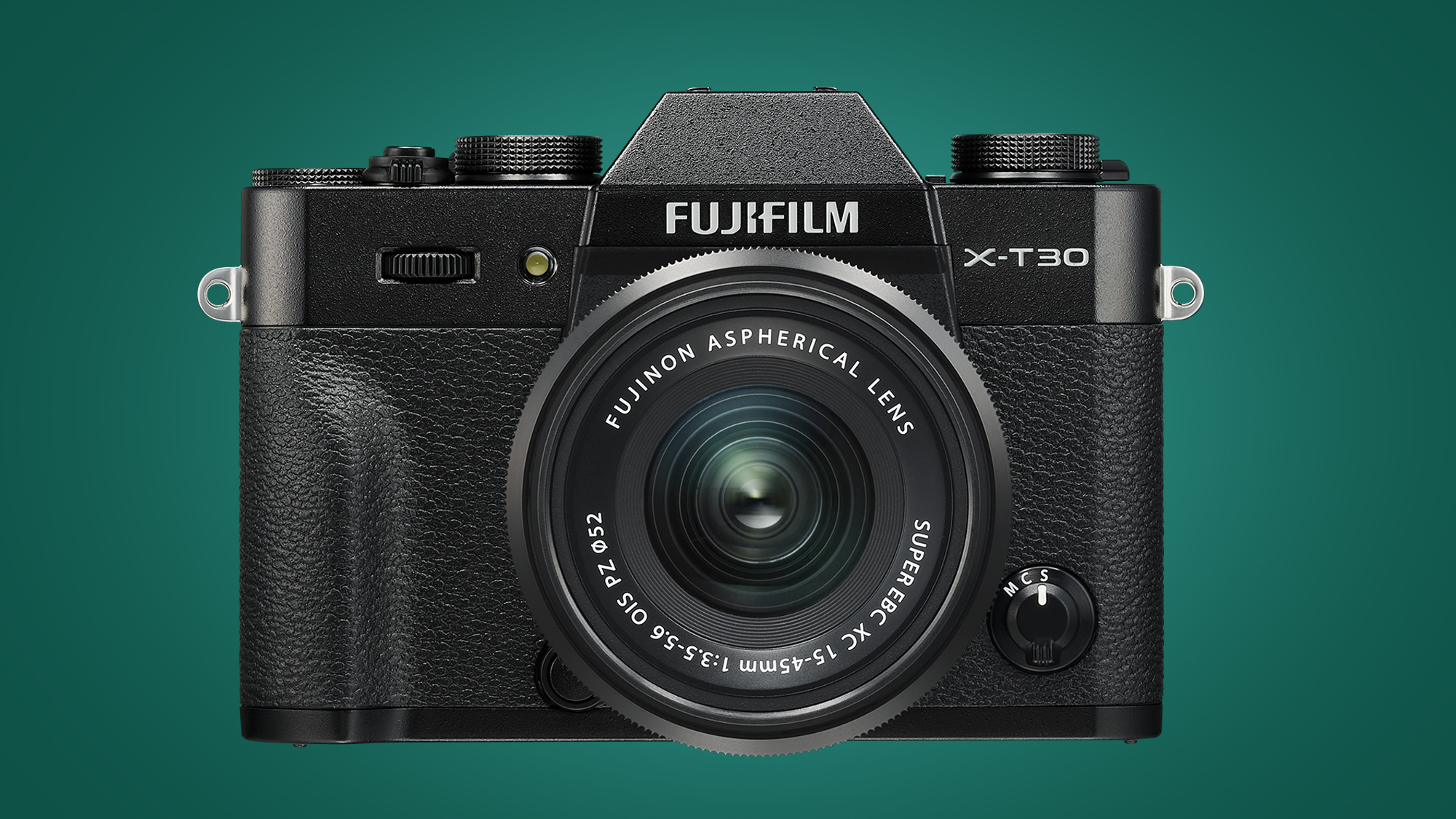
The little brother of the Fujifilm X-T3, this superb little APS-C camera dropped to its lowest ever price during Black Friday last year, and we're hoping it can beat that record this time around. It combines brilliant photo quality, speedy autofocus, impressive 4K video quality and great value. As long as you don't need to shoot with longer lenses, it's one of the best small mirrorless camera for beginners and hobbyist shooters.
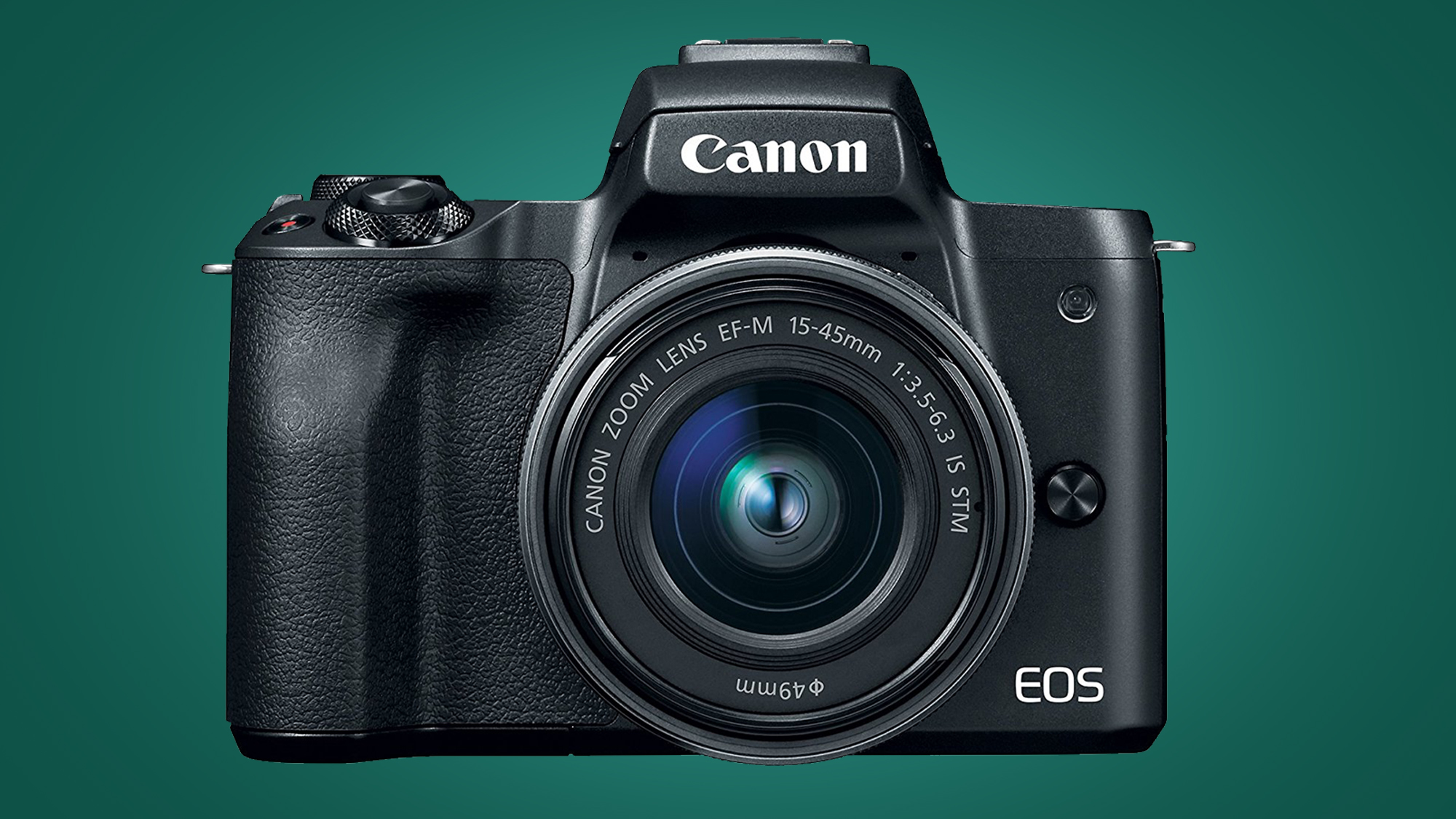
It might have been recently succeeded by the Canon EOS M50 Mark II (in some regions, at least), but the EOS M50 remains a great choice for beginners or anyone looking for a small, fun mirrorless camera. Crucially, it has the ever-reliable Dual Pixel CMOS AF, a great electronic viewfinder and a polished touchscreen. Just don't expect much from its 4K video mode, this is very much 1080p video camera.
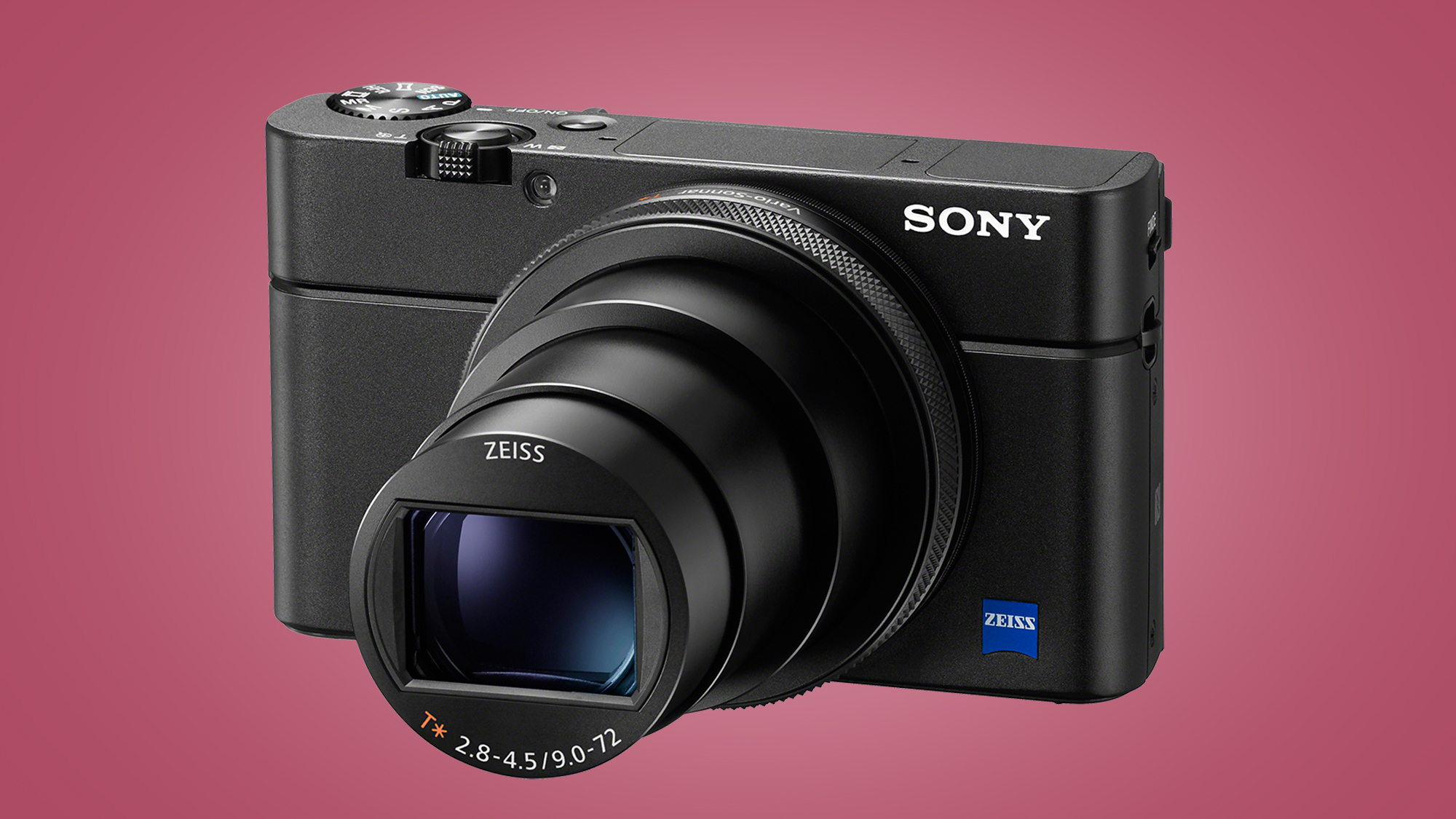
Sony's RX100 series are Black Friday stalwarts that get regular discounts, so which model should you target? All of them have 1-inch sensors (larger than the one in your smartphone), but we think this model offers the best value for most people. It shoots lovely photos and crisp 4K videos, while its 24-70mm lens has a bright f/1.8-2.8 aperture for some natural depth of field. A 2.36-million dot viewfinder also slots away when you don't need it, too.
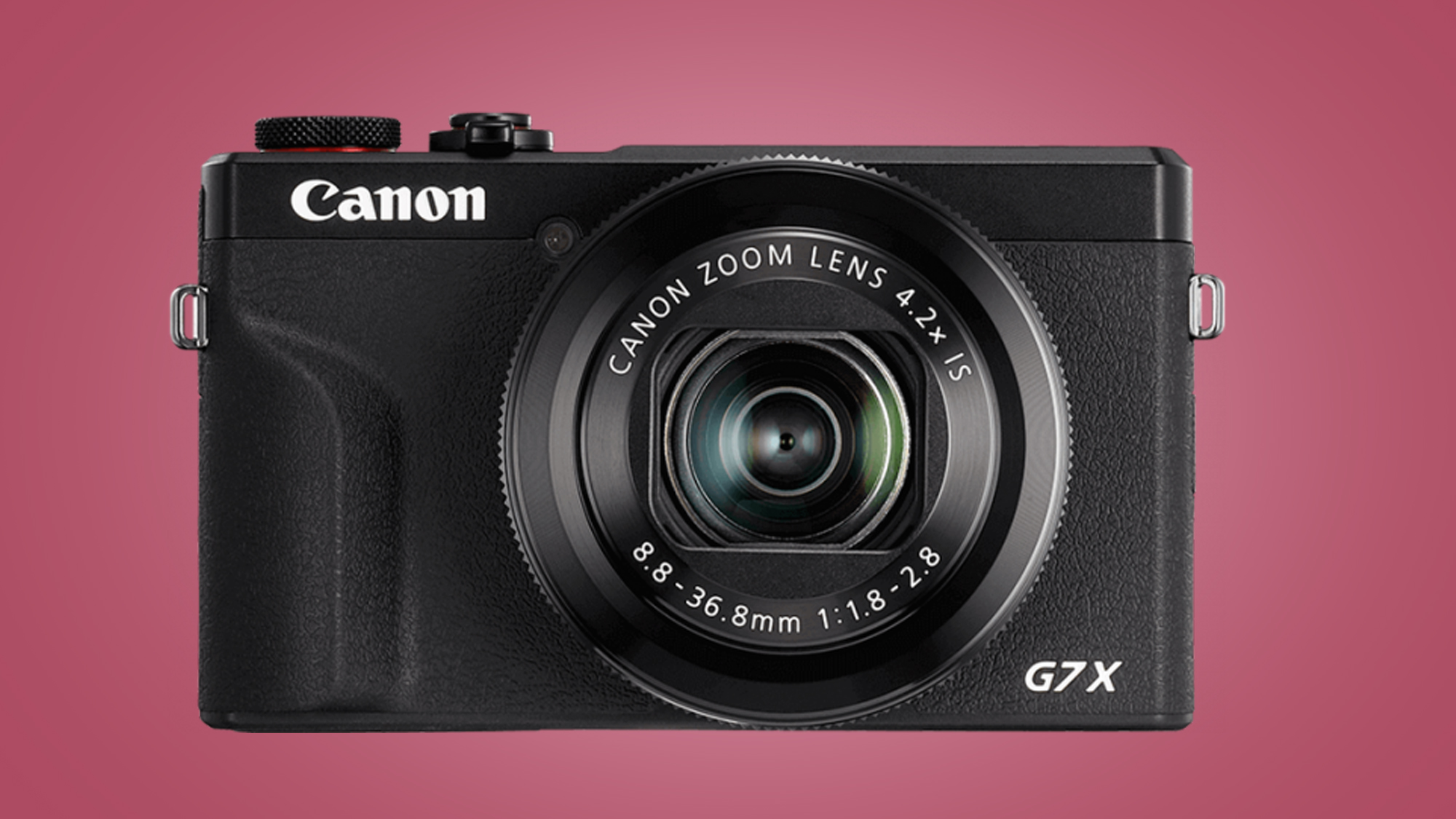
Looking for a compact vlogging camera that can also double as a handy stills sidekick? Alongside the Sony ZV-1, this is one of the best options around, thanks to its 1-inch sensor, mic port and ability to shoot photos at up to 30fps. Given it's now over a year old, we're hoping to see it hit a new low price this Black Friday – just bear in mind that it doesn't have a viewfinder.
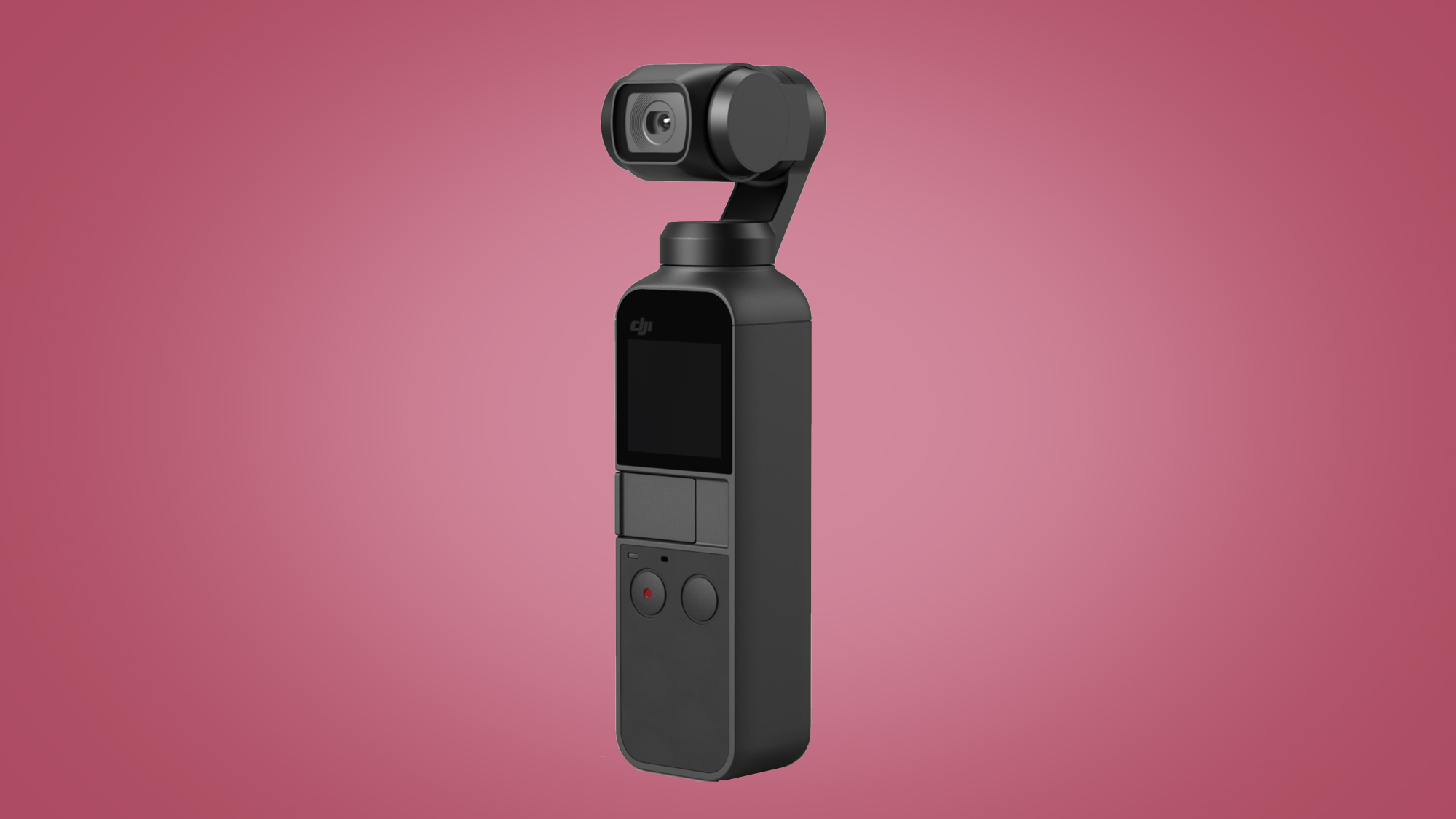
Another little video-focused camera, the DJI Osmo Pocket remains a great pocket option for stabilized video, despite the arrival of the new DJI Pocket 2. It uniquely boasts a three-axis gimbal to keep your walking footage smooth and shoots 4K/60p video. A potentially great gift for the vlogger in your life, particularly if it gets a generous discount.




Follow Us
Were this world an endless plain, and by sailing eastward we could for ever reach new distances